

For seasoned boaters, knowledge and experience certainly increase safety. But after boating for a decade or more and traversing thousands of miles, never needing an EPIRB or life raft, complacency might creep in.
This can be especially true today. Annual life-raft service used to be common, prompting yearly mental tune-ups. Now, technology extends most raft service out to three years, and the newest EPIRB batteries last a decade.
That’s a long time not to think about key emergency equipment. To ensure that safety gear does its job, and that you remember how to use it, give this gear regular consideration, long before prescribed maintenance. Then double down on that attention whenever service is due.
Timely Service
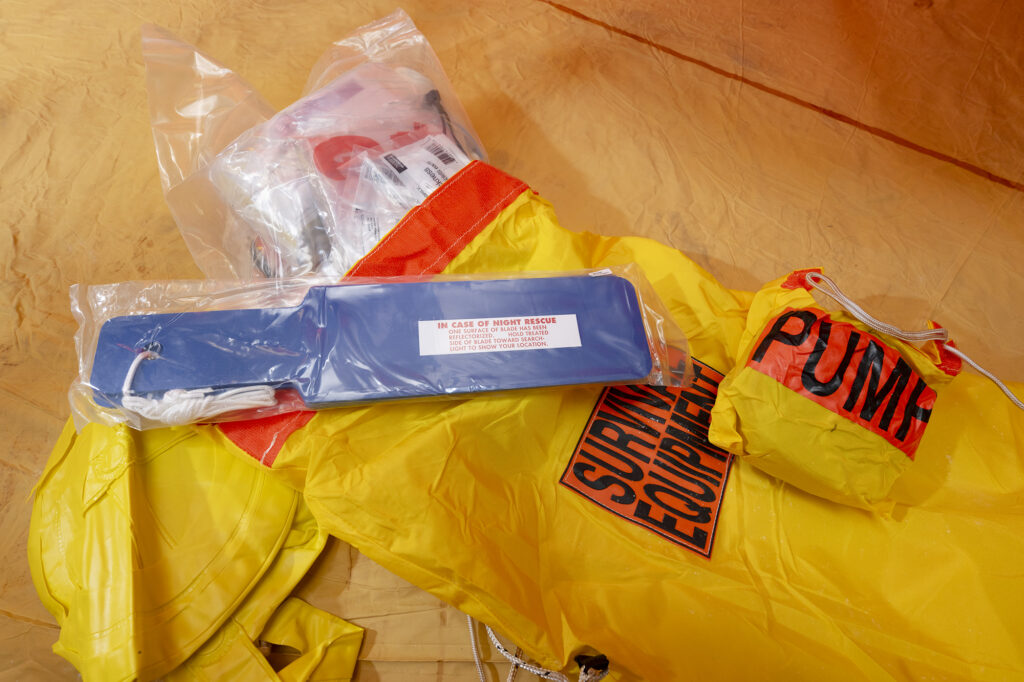
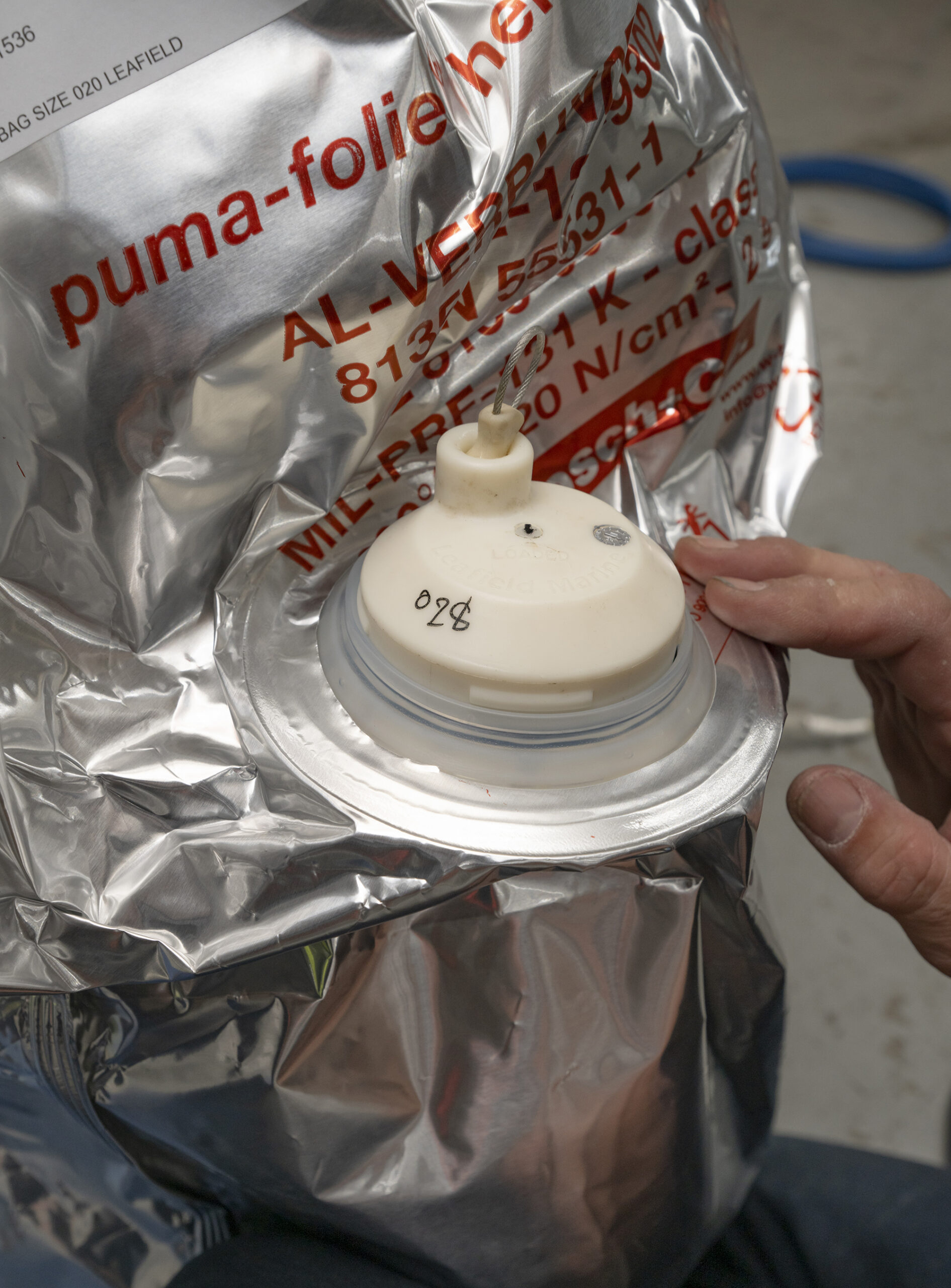
Most recreational-boat life rafts with three-year service intervals are packed within a vacuum-sealed waterproof envelope. This minimizes trouble, but over time, heat-sealed seams can leak, bags might puncture or abrade, or watertight glands sealing inflation mechanisms can slip.
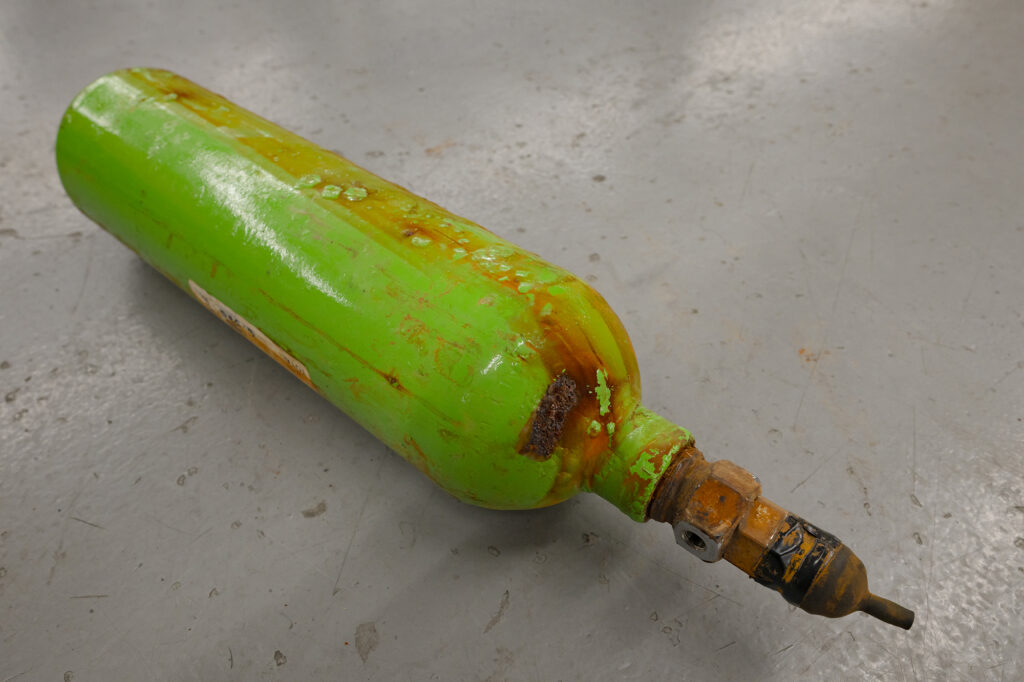
“You want to make sure the raft is going to inflate,” says Brian Flowers, vice president of operations for Life Raft + Survival Equipment in Tiverton, R.I. Corrosion eats at inflation cylinders and operating mechanisms. “There are cables, knifeways and other parts in the operating head that we sometimes have to reset or replace.”
Dominik Kmiec, general manager at Inflatable Services in Fort Lauderdale, Fla., echoes that thought: “If that inflation system fails, you have no options.”
Together, these two facilities service thousands of life rafts each year. While issues are rare, they do come up and could leave rafts inoperable. And once water, and eventually mold, take hold inside vacuum bags, they ruin fabric and equipment.
“You don’t know what’s happening inside that raft,” Kmiec says. “Moisture and heat attack glued seams. The raft may hold air for an hour or two, and then the glue starts separating.”
Flowers adds: “Over time, things break down. We’re checking floors, seams, the canopy, zippers, arch tubes, ballast bags, righting straps—a thorough checklist, so when you pull on the painter cord, the raft inflates and you get in and get saved.”
That checklist extends inside rafts, too. Flares, first aid kits, water, food, flashlight and marker light batteries and air pumps all require inspection and periodic replacement.
Visit Your Raft
Imagine treading water in 6-foot seas, in the dark, without prescription glasses, your eyes burning from diesel fuel, knowing loved ones are also in the water, hopefully nearby, while also trying to remember how to right an overturned raft.
That’s why Flowers and Kmiec suggest making an appointment to see your raft during service, as a refresher. “If you need the raft, you’ll know what to expect,” Flowers says.
The most experienced crew member will likely be trying to keep the boat afloat, or might be injured, so others should also know how to ready the raft and when to launch it.
“We’ll show you the raft, talk about what is inside, and give you an educational tour,” Kmiec says. That includes securing the painter, launching and inflating the raft, righting the raft if it inflates upside down, and boarding from the side of the boat or from in the water.
Service stations may have used rafts on hand they can inflate with carbon dioxide for training. “Don’t do that with your own raft, though,” Kimec warns. (During service, rafts are inflated with compressed air.)
Once aboard the raft, it’s imperative to know where the knife is stowed to cut loose from a sinking boat, how to throw the heaving line to the others still swimming, and how to douse the sea anchor to drift away from a fire.
Periodic Inspections
For rafts packed in soft-sided valises, a quick look inside the Velcro closure shows when a vacuum bag has leaked and expanded. It’s a problem that requires prompt service.
Waterproof deck-storage canisters can’t be opened for inspection, but check for damaged canisters, as well as for telltale bulging, if vacuum bags are compromised. “Send us photos,” Kmiec says. “We’ll tell you if it requires attention, or is perfectly fine.”
Check raft service dates, and don’t overlook the hydrostatic release mechanism that frees the raft from its cradle if the boat sinks. Those are replaced every two years.
Also pay attention to the raft’s environment, checking for protruding screws or sharp fiberglass edges. “A valise needs to stay pretty dry,” Flowers says. Elevate the valise off wet surfaces with Dri-Dek tiles. “Don’t put it in a trash bag,” he adds, as doing so traps humidity and condensation. “Valises need air circulation.”
Flowers doesn’t see the need to remove a raft from a boat for storage. “Life rafts are meant to be on boats year-round, in all weather,” he says. This includes both tropical heat and winter cold. “Don’t put it in a basement or barn; mice will find it.”
EPIRBs and PERSONAL LOCATOR BEACONS
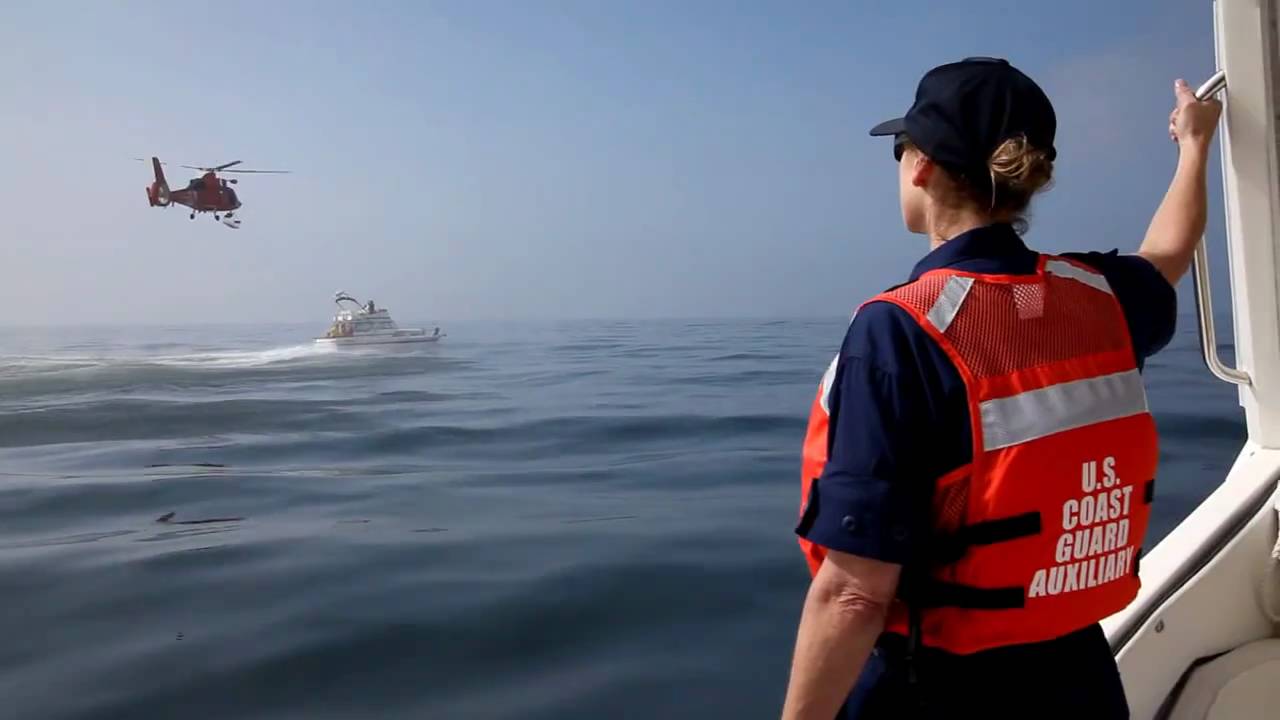
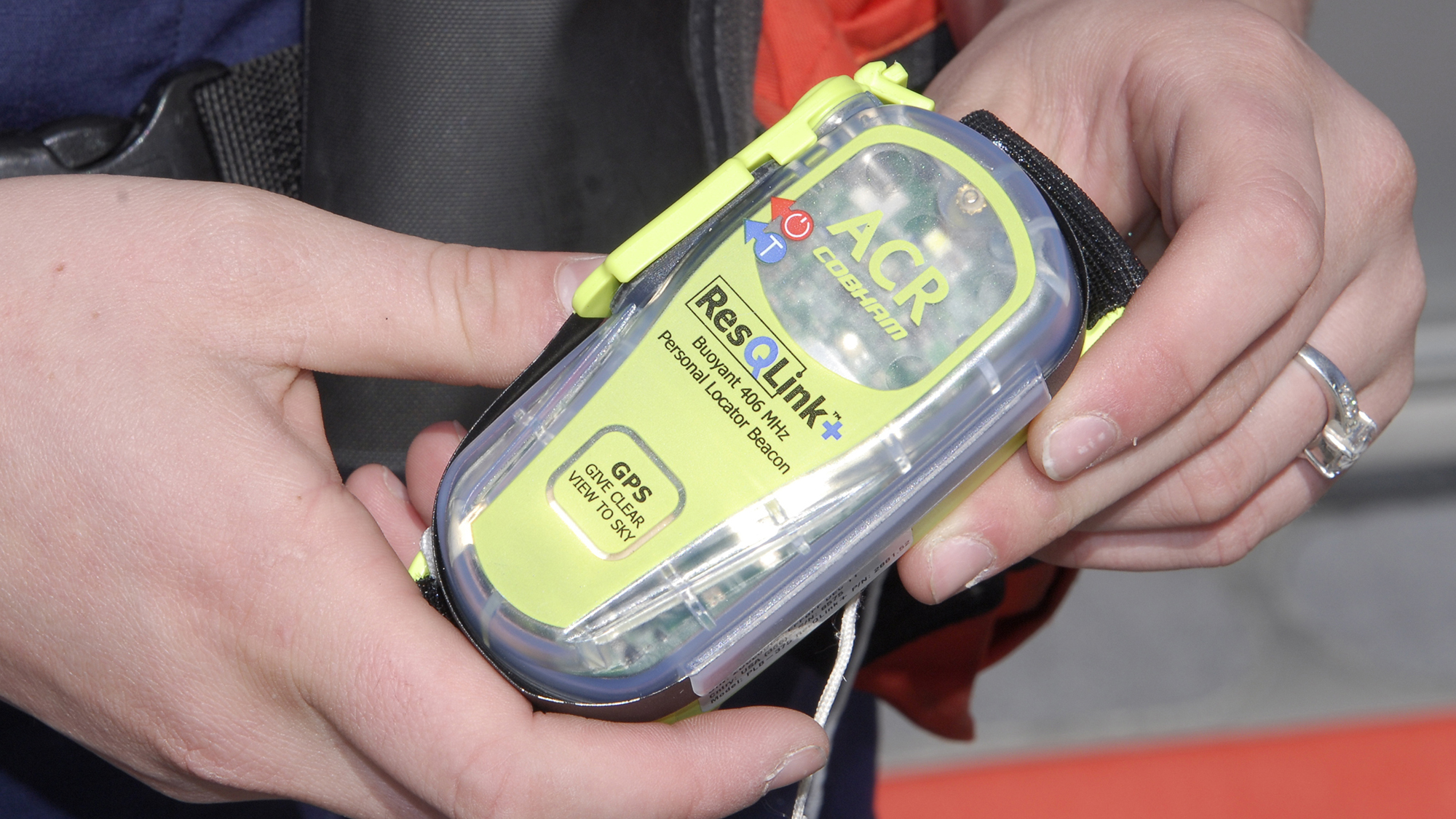
Not all that long ago, boaters crossing oceans anticipated weeks or even months in a raft until rescue. Today, a working, registered EPIRB and backup Personal Locator Beacon all but ensure rescue by the U.S. Coast Guard, foreign military or AMVER merchant ship within 24 hours on any ocean.
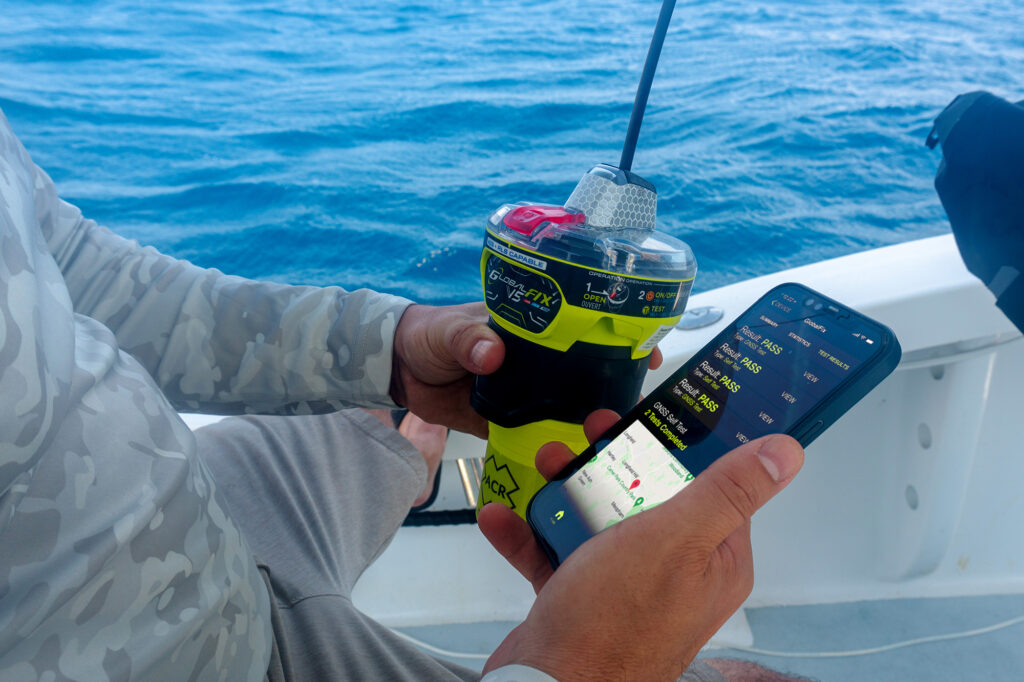
This assumes, of course, that the EPRIB is tested regularly, mounted appropriately and serviced as required.
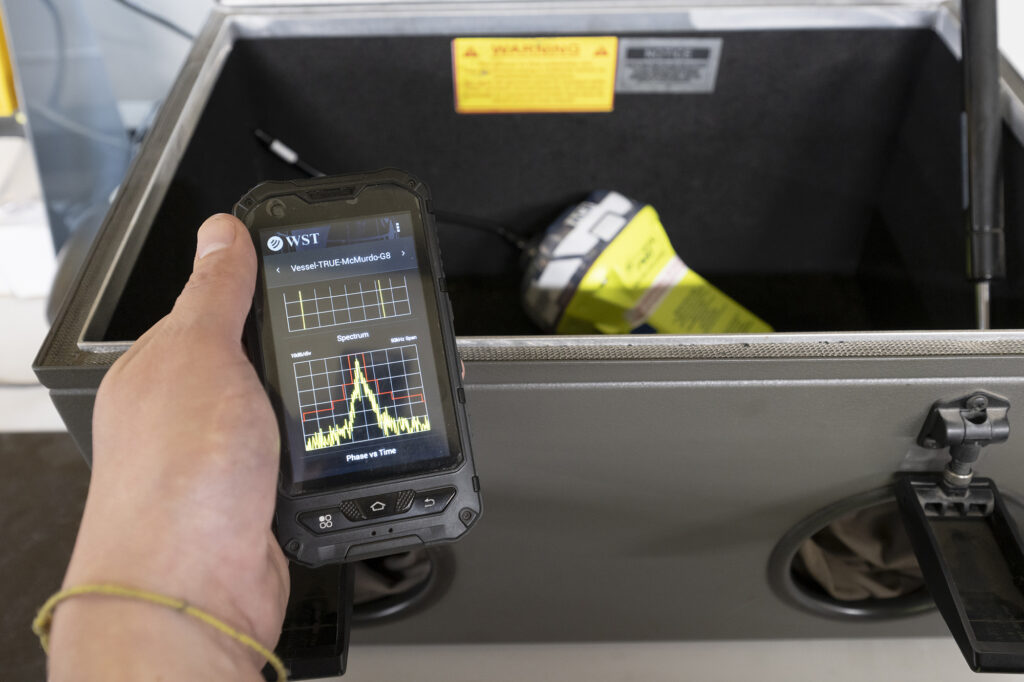
“Before we replace the battery, we put your beacon in a Faraday box,” Flowers says. This process allows full activation without broadcasting to satellites. A receiver inside that box, along with GPS simulation, decodes the beacon’s broadcast to confirm GPS acquisition and position, and it measures 406 mHz satellite and 121 mHz homing transmissions. Once the beacon passes, it’s given a new battery, O-rings and seals, and then tested with air to ensure it’s watertight.
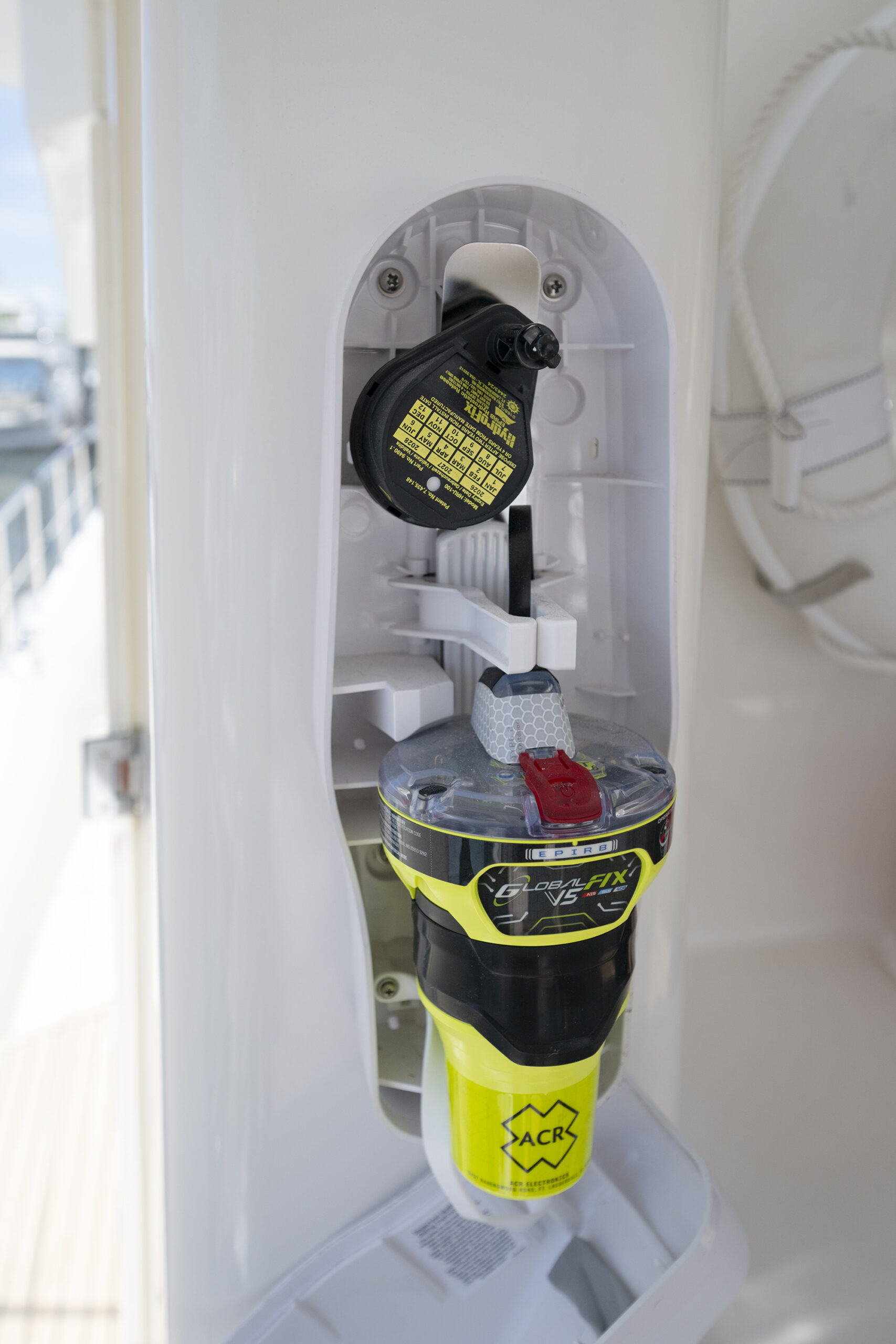
Before dropping a quarter of the price of a new EPIRB on replacing the battery, though, consider upgrading. Newer models include Return Link Service that receives and displays a confirmation sent back through satellites, letting you know that someone ashore has seen that distress message. A bigger tech upgrade incorporates an AIS transponder into some of the newest models, so a sinking boat’s EPIRB or swimming person’s PLB doesn’t just alert satellites; it also places a distress marker right on the plotter screen of any nearby AIS-equipped boat or ship. It’s truly a game changer for quick rescue.
Before each trip, give EPIRBs a visual inspection and self-test. (Battery specifications allow for one per month.) Update online registration with trip details, including medical information, which can aid efficient rescue response. Test GPS function annually. Replace hydro release units and renew registrations with the National Oceanic and Atmospheric Administration every two years.
Ditch Bags
Back in the days of annual service, some boaters packed rafts with PLBs and a few necessities. “When we’re servicing rafts every three years, that equipment can’t be tested or inspected,” Kimec says. “Keep your important equipment in a ditch bag.”
His short list includes a PLB or satellite communicator for redundancy with the boat’s EPIRB; a waterproof VHF radio with extra batteries for conversing with rescuers; prescription eyewear and medications; first aid supplies; and sunscreen, warm clothing, water and food. “You know what would make you feel better,” he says.
While an EPIRB’s integrated GPS chip computes precise location, satellites relay coordinates only within 100-yard resolution, so include pyrotechnic or electronic flares to draw rescuers, especially an AMVER ship, that last quarter mile in nasty conditions.
Survivors have suggested adding expired or photocopied passports, a little cash and a credit card, as well as a notebook, disposable camera and waterproof playing cards.
Life Jackets and More
“You’re far more likely to have a man-overboard emergency than need a life raft,” Flowers says, “and the chance of survival depends on that equipment that has to sustain your life until rescue.” Both MOB gear and personal inflatable life jackets require regular self-inspection aboard. Periodic inspection by professionals adds peace of mind.
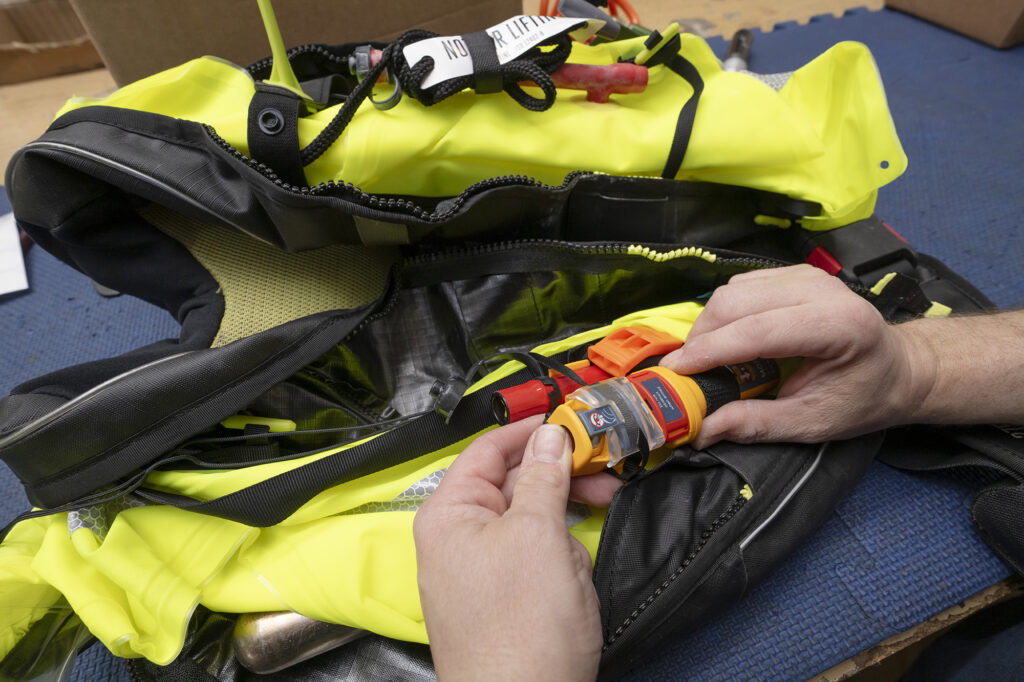
Before each trip, check to see if manual inflation mechanisms are in their proper position, with their trigger indicator intact (green for most models). Remove and inspect carbon dioxide cylinders, ensuring ends have not been punctured. If in doubt, check gross weight printed on the cylinder.
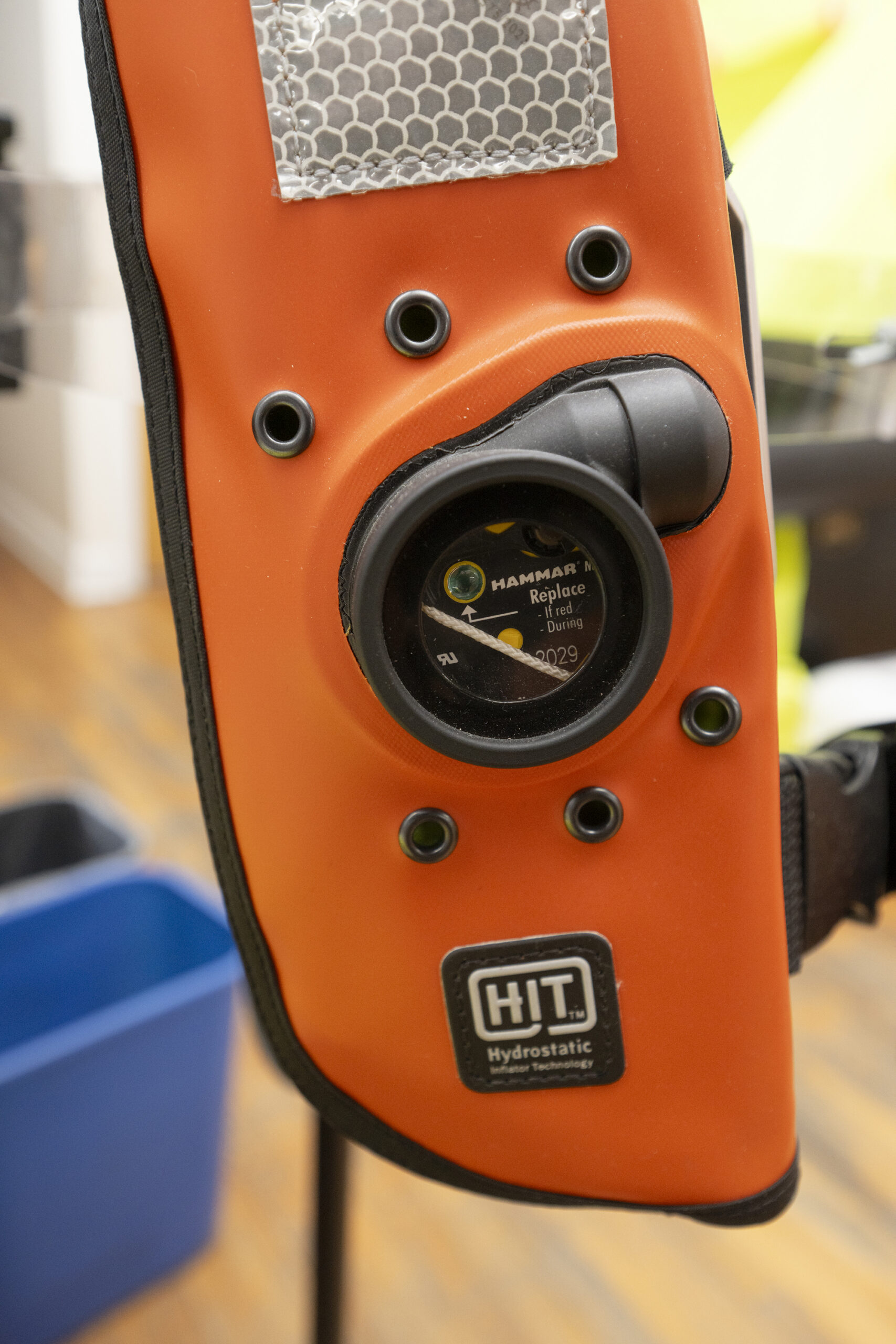
Also replace water-soluble auto inflation bobbins if they’re partly dissolved. For life jackets with hydrostatic inflators, ensure that they’re within their five-year service date, and check the armed indicator, usually green. At least twice a year, inflate life jackets and MOB bladders to ensure they hold air, ideally overnight.
Inspect MOB pylons, ring buoys and life jackets, either inflatable or inherently buoyant, at least twice a year for physical damage. For offshore use, each of these items should have a whistle and marker light with fresh batteries, too.
And remember: While survival-equipment maintenance is important, understanding both how and when to use that equipment is paramount. “There is a notion that you should always step up into a life raft,” Flowers says. Professional rescuers say the opposite: It is far better to board a raft early than wait too long “Stay with your boat as long as you can, but if you’re not pumping water out faster than it is coming in, at some point you have to make the call that it’s time to deploy the raft and go.”
EPIRBs are best utilized early in an emergency. “If you’re taking on water, or if you have a man overboard, go ahead and activate that EPIRB or PLB,” Flowers says. “If you can, reach out to the Coast Guard and nearby boats with a Mayday call. You might think you’ll handle the situation, but things can get out of hand quickly, and you’ve already started the process to have help on the way.”
This article originally appeared in the September 2025 issue of Passagemaker magazine.