

Books on anchoring could fill a library, and boating magazines have covered the topic for as long as they have existed. There is no shortage of high-quality information on the difference between a spade and a claw anchor, or on how to calculate the catenary of anchor rode.
Yet, boaters still find themselves in trouble at 2 a.m. This suggests that there is more to a restful night at anchor than the right equipment and proper scope.
For a maneuver that should be final, setting the anchor is far from the end of your responsibilities. Dropping the hook might bring the engines to rest, but it is your situational awareness ahead of lowering the anchor that needs to be on high alert. Successful anchoring can’t be limited to what kind of anchor you’re using or the scope of your rode; it must include where, why and how well you understand what lies beneath, around and ahead of you.
Part of good seamanship is defined by what you do when things go wrong. In the world of anchoring and mooring, the best seamanship prevents those moments from happening in the first place.
It’s Not Just the Gear
The topics of anchor types, rode materials, snubbers, swivels and shackles bring out strong opinions, so I am intentionally avoiding those in this piece. It’s not that equipment doesn’t matter, but even the best ground tackle can’t save you from a bad decision about where or how you anchor.
What’s often missing in the anchoring conversation is context: What’s the bottom composition, and how will it affect holding? How much tidal change or current shift is coming tonight? What happens to your swinging radius when the wind clocks around 90 degrees?
And perhaps most overlooked: Who else shares this anchorage, and what might they be doing at 4 a.m.?

Seafloor Specifics
Knowing the seafloor bottom composition can be the difference between a secure night and a midnight anchor drill. Is the bottom mud, sand, grass, gravel or rock? Each interacts with your anchor in dramatically different ways.
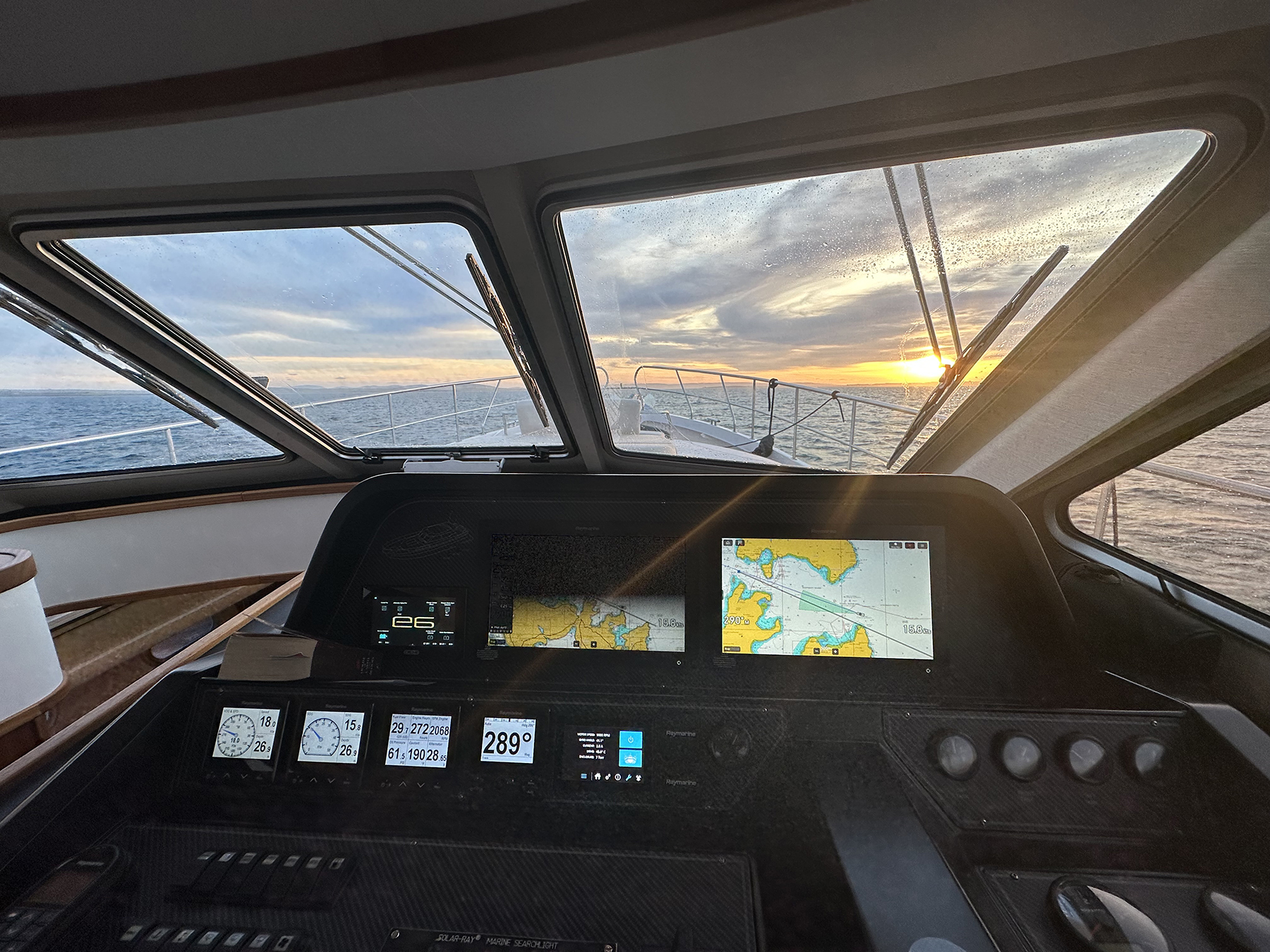
Charts and most electronic chartplotters list bottom types, but those are approximations, not guarantees. Crowdsourced comments can help, but nothing replaces personal observation and pattern recognition. For example, did your anchor bite right away, or did you need to drag it into place? Did you feel the chain shudder as it skipped across something hard? Was the water clear enough to confirm what’s down there?
In some harbors, multiple bottom types are side by side. A firm sand patch between rock outcroppings may look inviting, but miss it by a few feet, and your anchor will skate across the stone like a hockey puck.
A simple tool used for centuries to address this challenge is the lead line, a weighted sounding line that not only measures depth, but, when coated with wax or a sticky substance, also can bring up a sample of the bottom material.
Dropping the anchor is easy. Confirming that it is set into something that will hold is where seamanship begins.
Scope is a Variable
We all learn the formulas; 5:1 minimum, 7:1 for overnight, 10:1 if you’re nervous. But scope is only effective when it considers what’s going to happen later, not just what’s happening now.
If you anchor at low tide and don’t adjust for a rising tide overnight, your scope will decrease without warning. That comforting 7:1 can quietly become a precarious 4:1 in the wee hours.
Similarly, if you drop in calm wind and flat water without considering forecasted gusts or wind shifts, your rode might be lying in a lazy arc that suddenly gets yanked taut when the breeze picks up or swings 180 degrees. Are you prepared for that pivot? Do you have enough room around you if your boat swings in a wide arc? Are there shallows or other boats now lying behind you in the new wind direction?
A good anchorage isn’t just deep enough and protected enough. It’s also tolerant of change. Change is coming, so the question you have to answer is: Have you planned for it?
Tides, Currents and Surprises
In places with significant tidal current—New England harbors, Lowcountry creeks or the Pacific Northwest— the waters reverse direction with the tide’s ebb and flood. Your boat will swing with it, likely a full 180 degrees. If you haven’t allowed enough room for that swing, you may find yourself much closer to your neighbors or the shore than you intended.
The movement is not always symmetrical. Some hull types will sail at anchor, yawing back and forth unpredictably. If you’re near a boat with a different windage or underwater profile, the two vessels may not swing in unison, even on the same anchor scope. They will dance together, but not in the graceful way.
Before committing to a spot, ask yourself the following questions: What direction is the current flowing now, and what direction will it flow six hours from now? And, how will my boat respond to that change compared to the boats around me?
The Human Variable
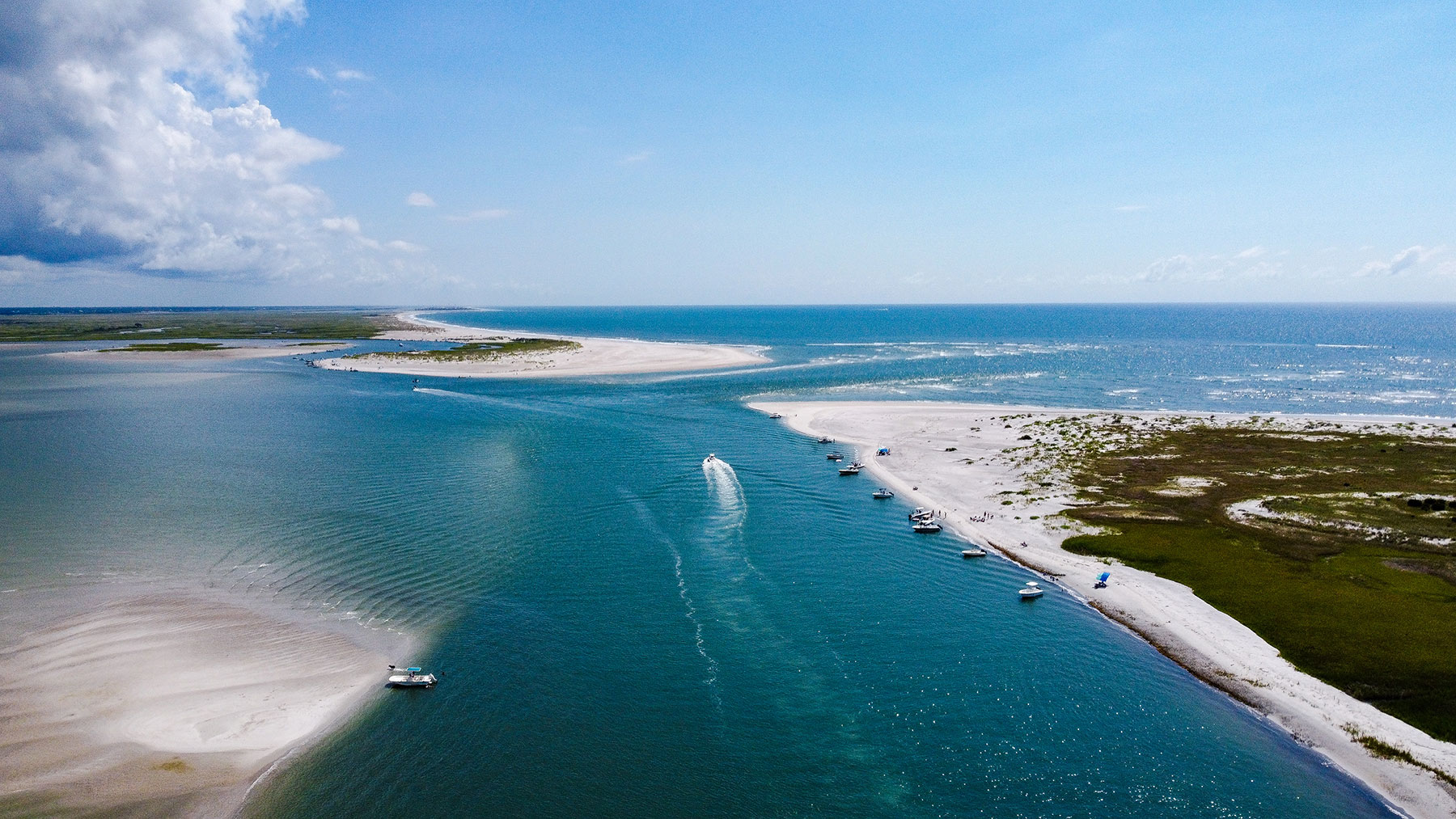
A perfect anchorage isn’t always a quiet one. Some anchorages, especially near fishing towns, fuel docks or commercial piers, can come alive in the early morning or late in the afternoon. A peaceful cove in the evening may become a parade route at daybreak as working boats head out. You may be anchored, but if you’re in their path, they won’t be thrilled. You can expect an unpleasant awakening or even be forced into an unplanned departure.
Local knowledge goes a long way here. A quick check of crowdsourced reviews or a call to the harbormaster can reveal whether you’ve anchored in a traditional departure lane or just outside a working harbor. Anchoring isn’t just about a large enough space; it’s also about knowing what that space is used for.
What About that Mooring?
Picking up a mooring ball can feel like a relief. Someone else has done the hard work and all you need to do is tie up. But not all moorings are created equal. The hard truth: If it fails, it’s still your problem. A 500-pound block may be fine in calm conditions, but what about a sudden squall with 30 knots of wind on your beam?
If the pendant looks frayed, if the hardware is corroded, or if the mooring sits suspiciously close to the rocks, assess the risk cautiously. A mooring doesn’t guarantee rest. It just ties your safety to someone else’s sense of proper maintenance.
Before securing your boat to a mooring ball, ask yourself these questions: Who installed the mooring, and when? What kind of anchor is below: concrete block, mushroom or screw pile? How deep is it? How often is it inspected? And most important: Is it maintained by someone you can reach if there is a problem?
Anchored, but On Duty
Hanging on a well-set hook in a quiet cove brings a sense of peace and tranquility. You’ve stopped moving, the engine is off, and all is quiet. It’s tempting to consider the day done. But seamanship isn’t about what you feel. It’s about what you know.
Before you settle in, know what is under and around your boat, and how conditions may change in six hours. If you have definitive answers to each of these, and not just hope, then you have earned this place. Because you are not just anchored. You’re aware, prepared and truly at rest.
This article originally appeared in the October 2025 issue of Passagemaker magazine.