

Nobody likes things that go bump in the night, especially when you’re well offshore.
The fear of being underway in the ocean at night is not unnatural. We are vulnerable in multiple ways, but overcoming that fear opens the door to an expanded and rewarding way of cruising, not to mention an efficient way to cover ground at displacement speeds.
Making overnight passages is one of my favorite activities aboard the boat. It is also quite the dichotomy for your senses. My wife, Dori, describes it as a serene adrenaline rush. It is the peacefulness of a sunset and vibrancy of a starry night, overlaid with an extreme, heightened sense of awareness.
If you’ve never made an overnight passage but have an interest in planning one aboard your own boat, one option is to first make an overnight passage with an experienced boater—aboard their boat. That way, you will have no direct responsibility, but can observe and participate.
Another option is to hire a training captain to come aboard your boat for your first overnight passage.

The third option can be in addition to the first two: Plan an early morning departure two or three hours before sunrise, from a marina or anchorage you know well. Having just a few hours of darkness to deal with is much more comforting than watching the sunset, knowing it could be a long, dark night in front of you.
It may be obvious to state, but making a safe overnight passage requires more planning than locking the autopilot on a route and waiting for the sun to set. Consider the art of watchkeeping aboard a recreational cruising yacht, with a couple and no additional crew on passages lasting 24 to 48 hours in near-coastal waters.
For couples cruising together, the most important thing to remember is that this is about more than just the nighttime hours. This is about establishing a clear, sustainable routine that is followed during the entire passage, day and night. Adhering to a watch schedule transforms the entire voyage into a more manageable and, likely, more pleasant experience, while increasing situational awareness and avoiding fatigue.
A structured watch schedule covering all 24 hours in the day is crucial. While the allure of simply staying awake until you’re tired and then handing over the helm might seem intuitive, it rarely proves effective. Fatigue is subtle and cumulative; by the time you feel tired, your decision-making and reaction time are already compromised. A planned rotation of three- or four-hour shifts seems to be ideal for most couples. This interval allows sufficient rest for the off-watch partner, reduces stress, enhances vigilance and maintains optimal performance at the helm.
This schedule also allows for very little time together, but remember, these guidelines are for 24- to 48-hour runs. You will have plenty of time together when you safely arrive at your destination.
When establishing your schedule, be mindful of each person’s natural rhythms. Some cruisers find three-hour watches optimal, providing frequent rotation and rest, while others prefer four-hour segments for longer, more restful sleep. Whichever you choose, consistency is key. Maintaining the pattern creates predictability, actually reduces fatigue, and enhances physical and psychological resilience.
A popular way many people fight off fatigue is with caffeine or other stimulants. Most seasoned cruisers, myself included, caution heavily against it. Everyone responds differently to stimulants like caffeine. If you’re using them to stay awake while on watch, remember that they are also likely to remain in your system when you’re off watch and trying to fall asleep. The only safe way to fight fatigue is with sleep.
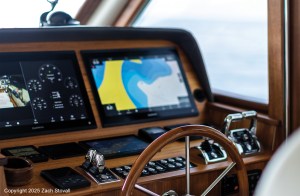
The most effective way of getting that sleep is in a quiet, comfortable sea bunk. A watch berth in the pilothouse sounds like a good idea, but for many people, it’s too easy to have your sleep disturbed by radio transmissions or other activity. Your sleeping spot needs to be dark, quiet and away from the helm. The sofa in our salon on Liberdade works well for us, with a good pair of earplugs. We can’t hear what is going on at the helm, but we’re close enough to get to the other person for assistance.
It’s also important that we know we can wake the other person, even for the simplest reason. We promise to wake in a good mood and offer assistance. We cannot be reluctant to wake each other if we’re uncertain about something.
An essential aspect of safe watchkeeping is the watch changeover. This is taken too casually by too many cruisers, even experienced ones. There has to be more than, “OK it’s all yours.” A detailed briefing ensures seamless continuity. Passages in near-coastal waters may seem straightforward, but conditions at sea can change quickly. Clear communication at every changeover significantly reduces the risk of surprises.
At each watch transition, we thoroughly review a set list of critical information. This structured exchange ensures the incoming crew member is immediately informed, engaged and prepared. Make it a routine to address each of the following points systematically.
Current Position
Confirm your exact position using GPS and, if applicable, visual bearings or radar ranges. Ensuring that both crew members agree on your location reduces navigation errors.
Course Changes
Clearly communicate any recent alterations to your intended track, as well as expected future course changes. If we happen to be diverting from our route (say, for anchored ships) then the oncoming watch needs to know that, as well as what to do to bring the boat back to the intended route.
Speed
Discuss current boat speed and any significant variations that have occurred, as changes could indicate altering conditions such as current, wind shifts or mechanical issues. If we’ve gained or lost significant speed for four hours while the other person was sleeping, that could cause us to arrive at an inlet or marina in less-than-ideal conditions.
Radio Communications
Relay important radio exchanges or alerts, including navigational warnings, weather updates or interactions with other vessels. This shared awareness helps both crew members maintain situational vigilance.
Other Vessel Traffic
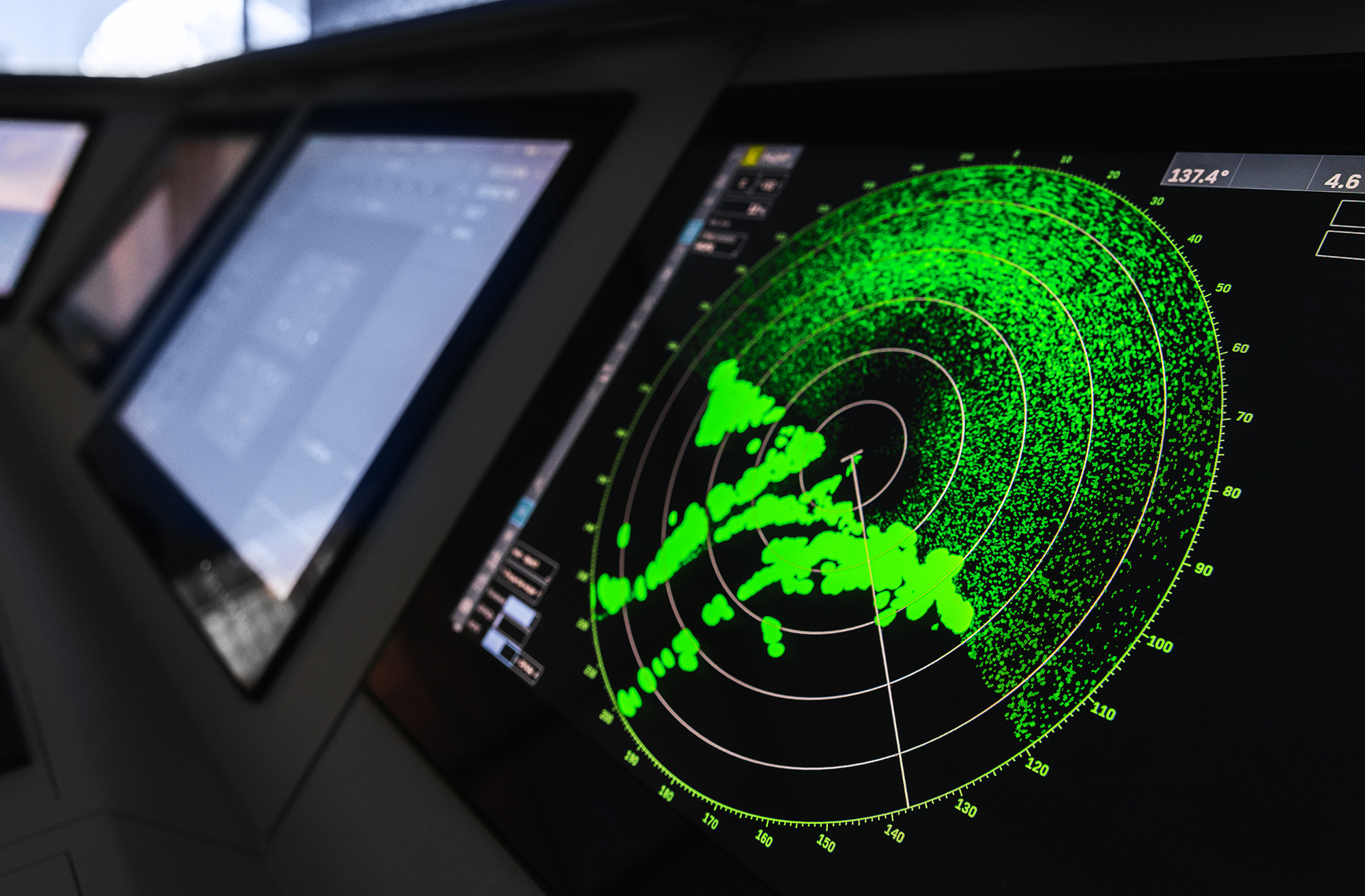
Identify and discuss any vessels observed visually, on radar or AIS. Confirm their positions, courses and speeds, assessing collision risks or the need for course adjustments.
Abnormalities in Readings
Highlight any unusual gauge readings on engine instruments, electronics or hydraulic systems. Early recognition of potential problems can prevent emergencies or prolonged issues.
Changes of Note
Share observations about weather patterns, wave conditions and currents. Discuss any developments that might require adjustments to speed or even route reconsideration.
These structured exchanges during watch changes cultivate a disciplined, proactive approach to sharing the helm, significantly enhancing safety and comfort aboard. Regularly revisiting and refining this checklist increases a sense of shared responsibility and mutual trust, all vital components for a successful passage. Ultimately, it’s consistent adherence to these watchkeeping principles that creates a safer, more relaxed, more enjoyable experience for both partners, rather than an endurance challenge.
Somewhere in the night, amid the hush of the waves and the hum of the engines, is a space where fear gives way to confidence and routine fosters calm. With preparation, clear communication and mutual trust, cruising through the darkness can become one of the most rewarding aspects of the voyaging life.
It also offers the rare chance to find the kind of peace that only exists in the glow of the compass light and the rhythm of a steady watch.
This article originally appeared in the July/August 2025 issue of Passagemaker magazine.