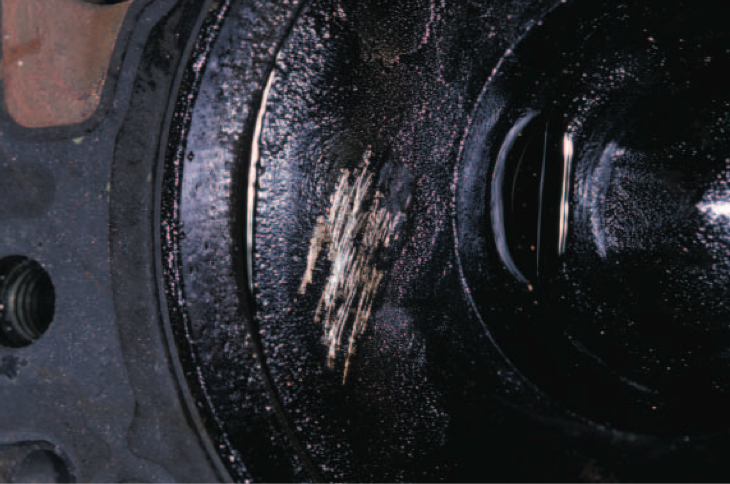
GEARHEAD: Chronic underloading and over-cooling
It’s a concept that’s commonly misunderstood, and one that seems counterintuitive; the lighter the load on your engine the greater the likelihood of developing problems.


It’s a concept that’s commonly misunderstood, and one that seems counterintuitive; the lighter the load on your engine the greater the likelihood of developing problems.
A few years ago, the owner of a new trawler visited the boatyard I manage. He sat in my office and dictated a moderately long list
Cavitation erosion (and the related erosion or impingement corrosion) is an infrequently discussed yet frequently misunderstood phenomenon that can lead to metal damage and failure. It can afflict everything from engines and generators to plumbing systems and propellers. Cavitation is the formation of voids or bubbles in a liquid that are a result of forces that act upon the liquid. Its important, however, to distinguish these voids from common bubbles as the latter contain a gas, often air, while the former contain nothing. That is, they are vacuum bubbles. Interestingly, the formation of the cavitation void is tantamount to boiling because the boiling point of a liquid drops as the pressure drops. (Its why mountaineers use pressure cookers; at a high altitude and therefore lower atmospheric pressure, water boils at a temperature lower than 212°F.) Thus, cavitation bubbles are essentially a result of low temperature boiling induced by low pressure. Cavitation may occur as liquid moves swiftly around constrictions and through orifices, particularly when such orifices change shape from small to large, as in water moving past a gate valve, or worse, through a partially opened valve. These conditions create a Venturi effect and the rapid change in pressure is conducive to the formation of cavitation bubbles.
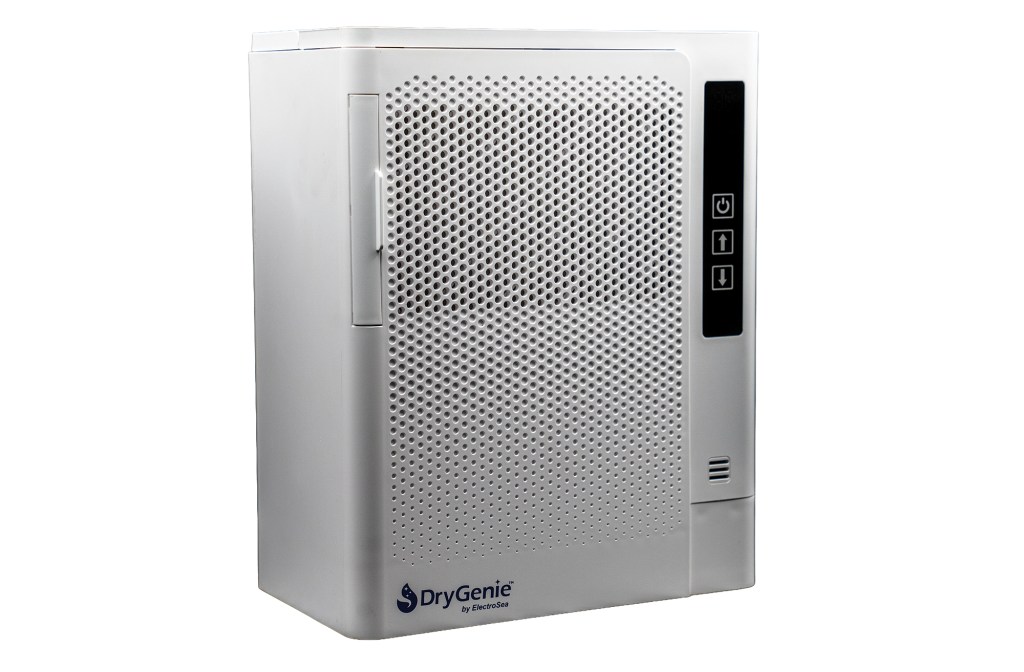
Compact Dehumidifier for Boats
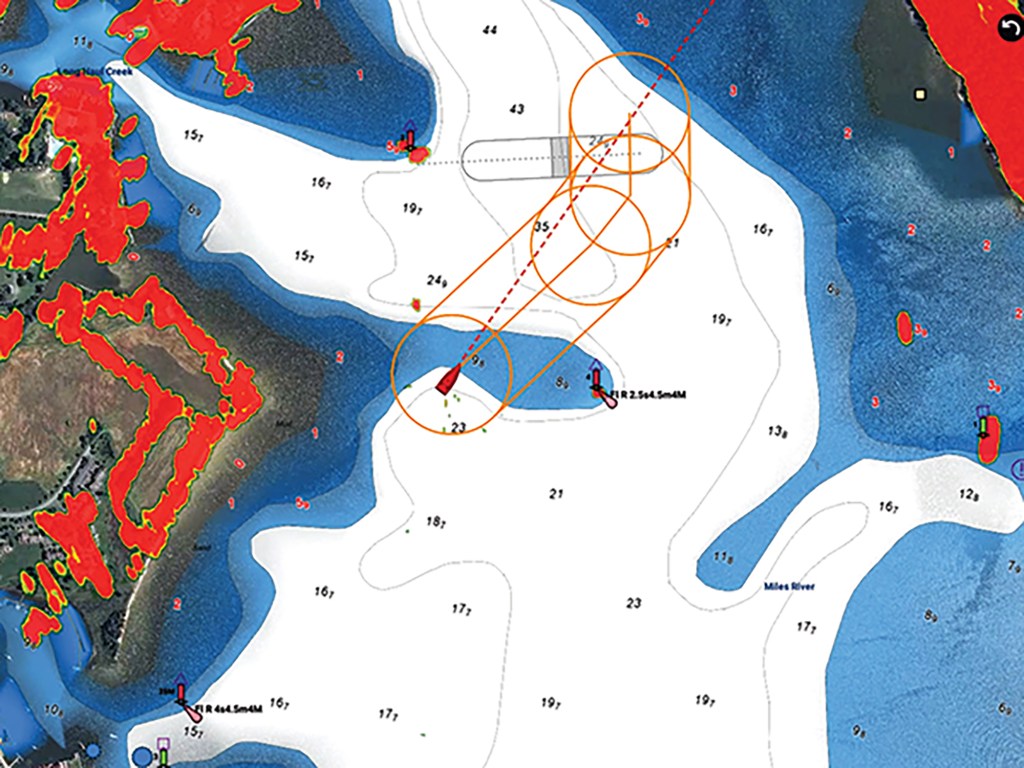
Groundings often happen in the places we think we know. These are the reasons why.
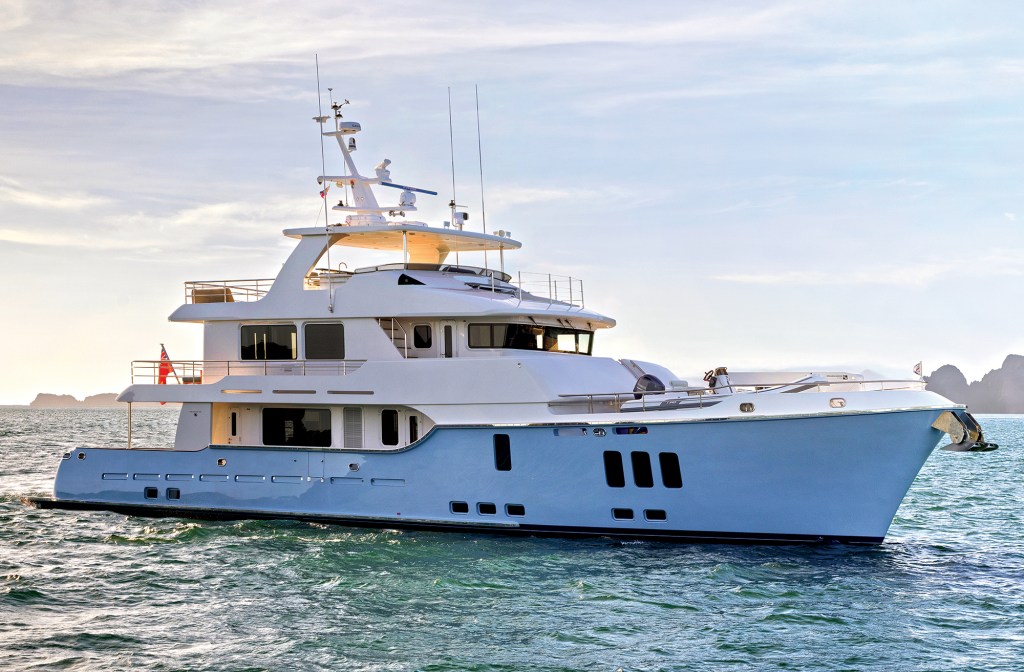
This world-cruising expedition yacht is the result of an evolution that began in 2008 with the first Nordhavn 86.
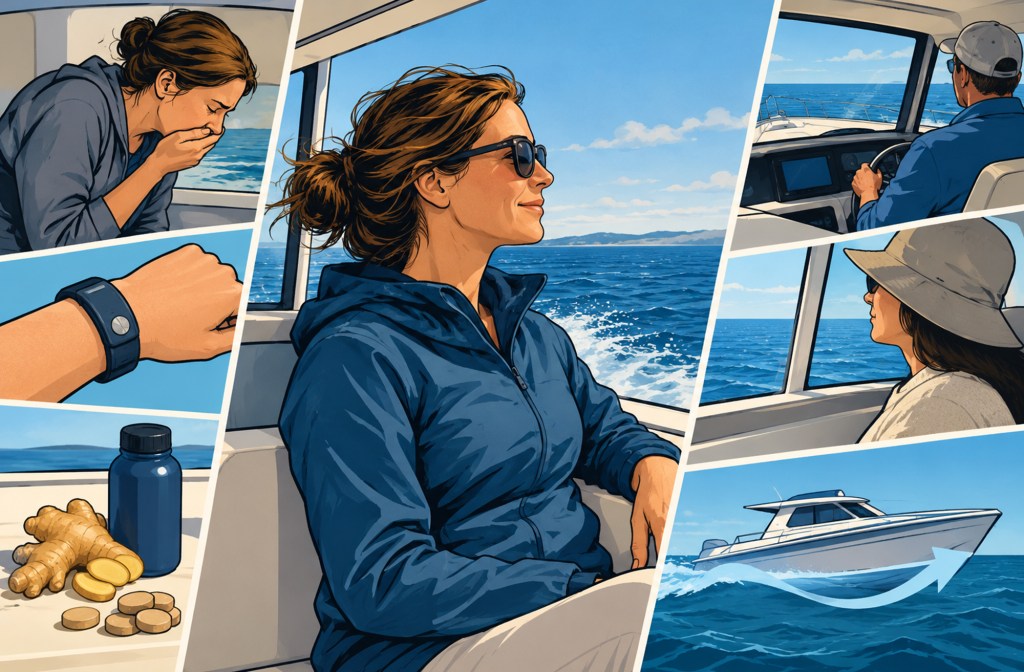
Feeling queasy on the water happens to all of us. Here’s how to identify the early signs and counter them.
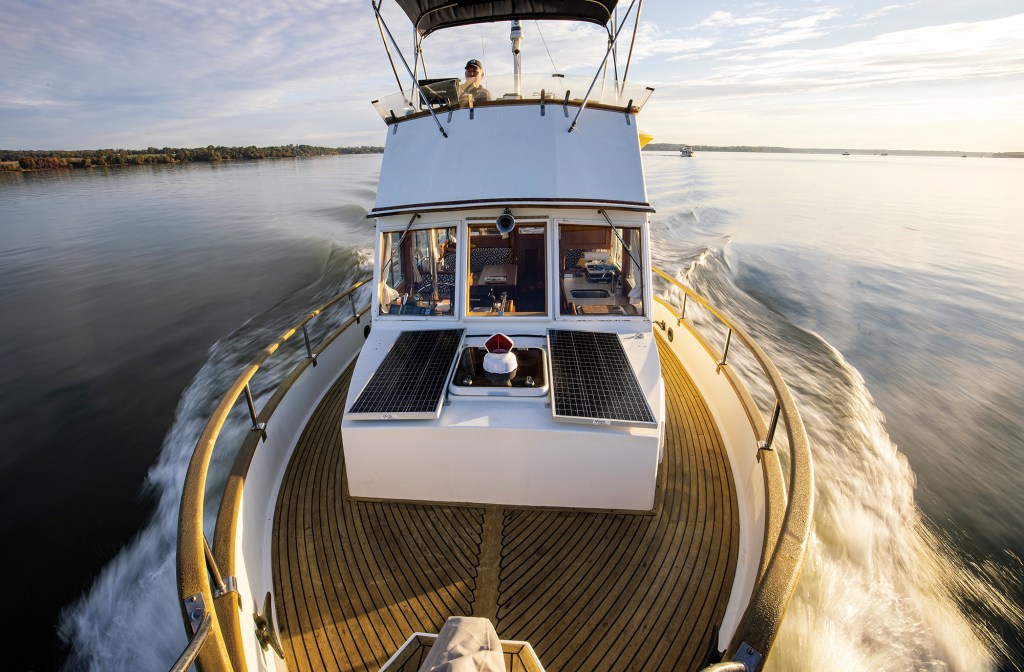
Conversations with the legendary lensman Onne van der Wal.
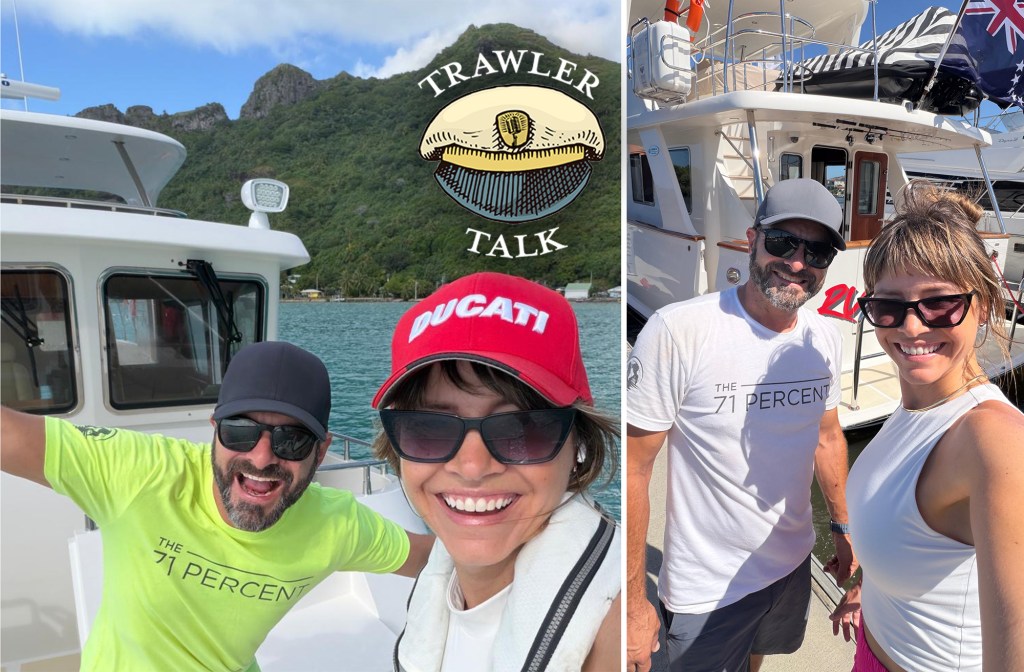
Nathan and Lindsay of the 71 Percent—the can’t stop, won’t stop power cruisers—completed a “wrong way” crossing of the Pacific Ocean.
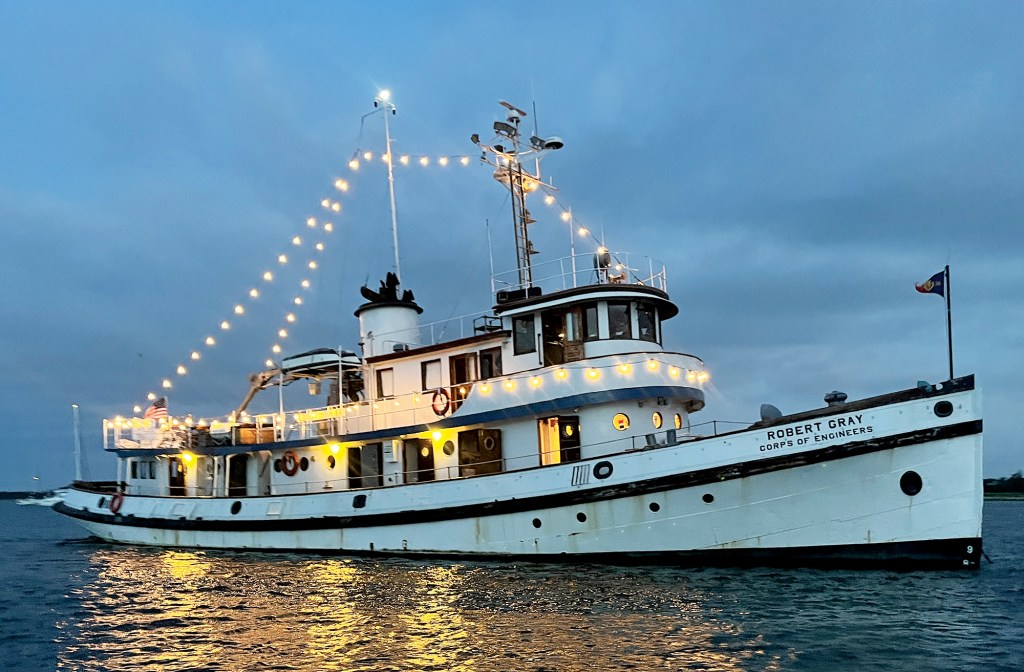
An adventure aboard a 90-year-old ship brings the past to life.
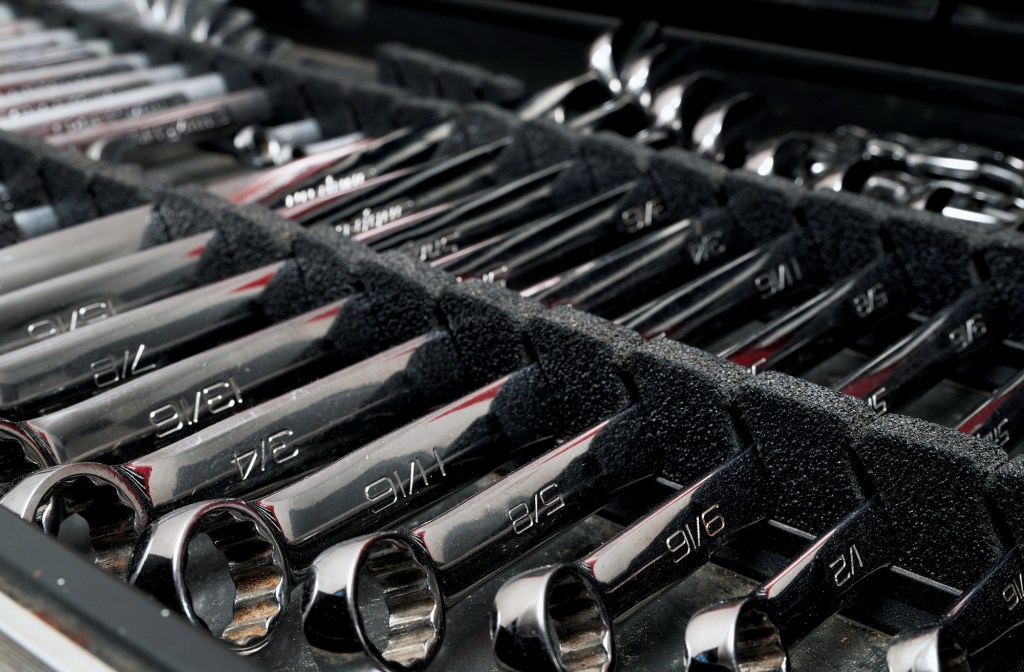
A traveling boat’s toolbox is never full. Try to equip yours to handle any issues that might arise.
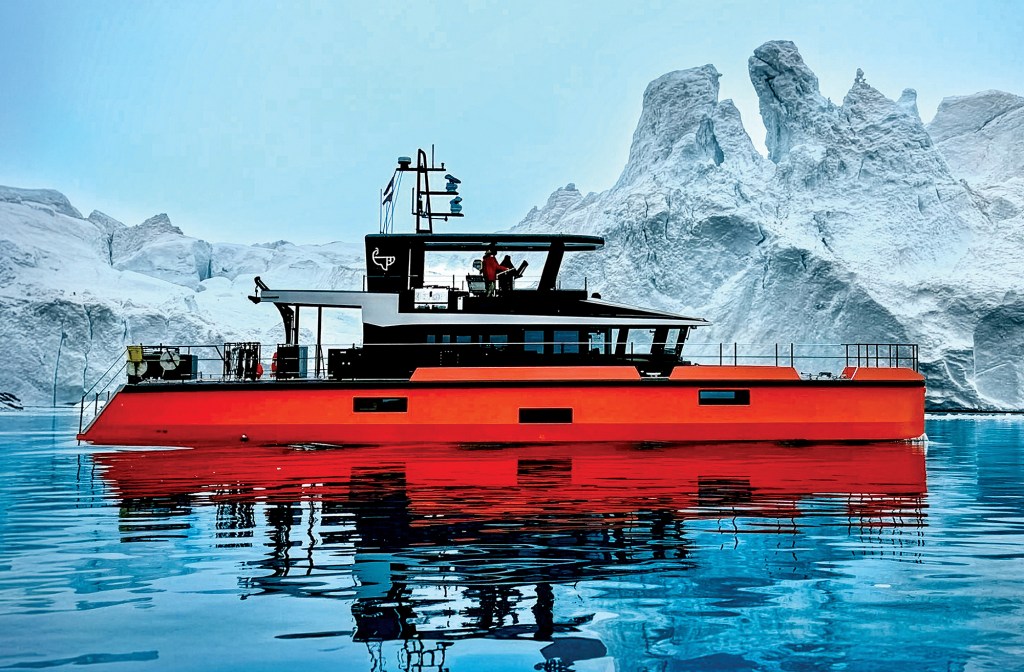
A small crew finds the adventure they wanted on a bucket-list journey to Greenland aboard a custom aluminum yacht.
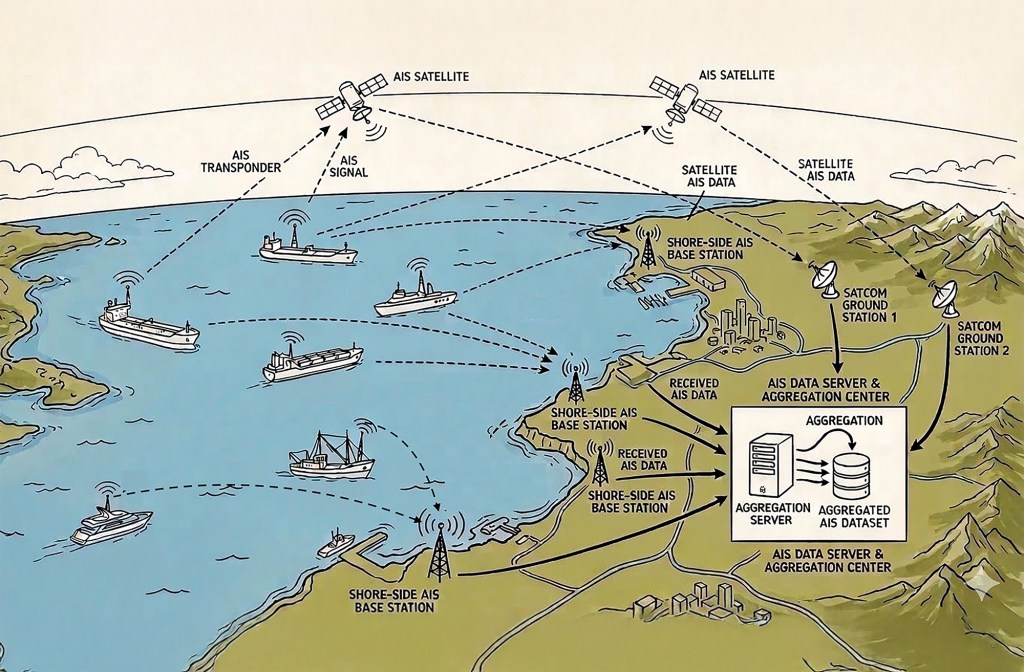
AIS networks are a mighty addition to any onboard suite of electronics. They have significant value, but also limitations.