NOAA Paves the Way in Modern Chart Making
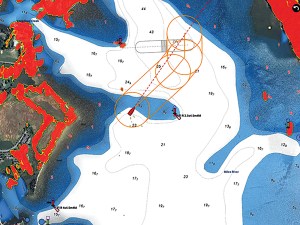
Making and updating nautical charts is a continuous process that involves many people from different disciplines and organizations.


Making and updating nautical charts is a continuous process that involves many people from different disciplines and organizations.
Successful navigation is really just answering three simple questions: Where am I? Where am I going? How do I get there from here? Even when
In December 2013, I wrote stories about the “magenta line” on our nautical charts depicting the Intracoastal Waterway, and now lawyers want me to answer
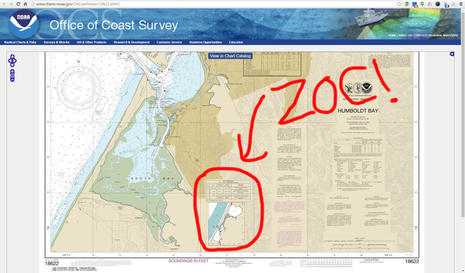
Did you know that some areas of the U.S. coastal chart you’re using may only show land and bottom features accurate in position to +/- 1,600 feet, and you shouldn’t be confident about the depth soundings either?
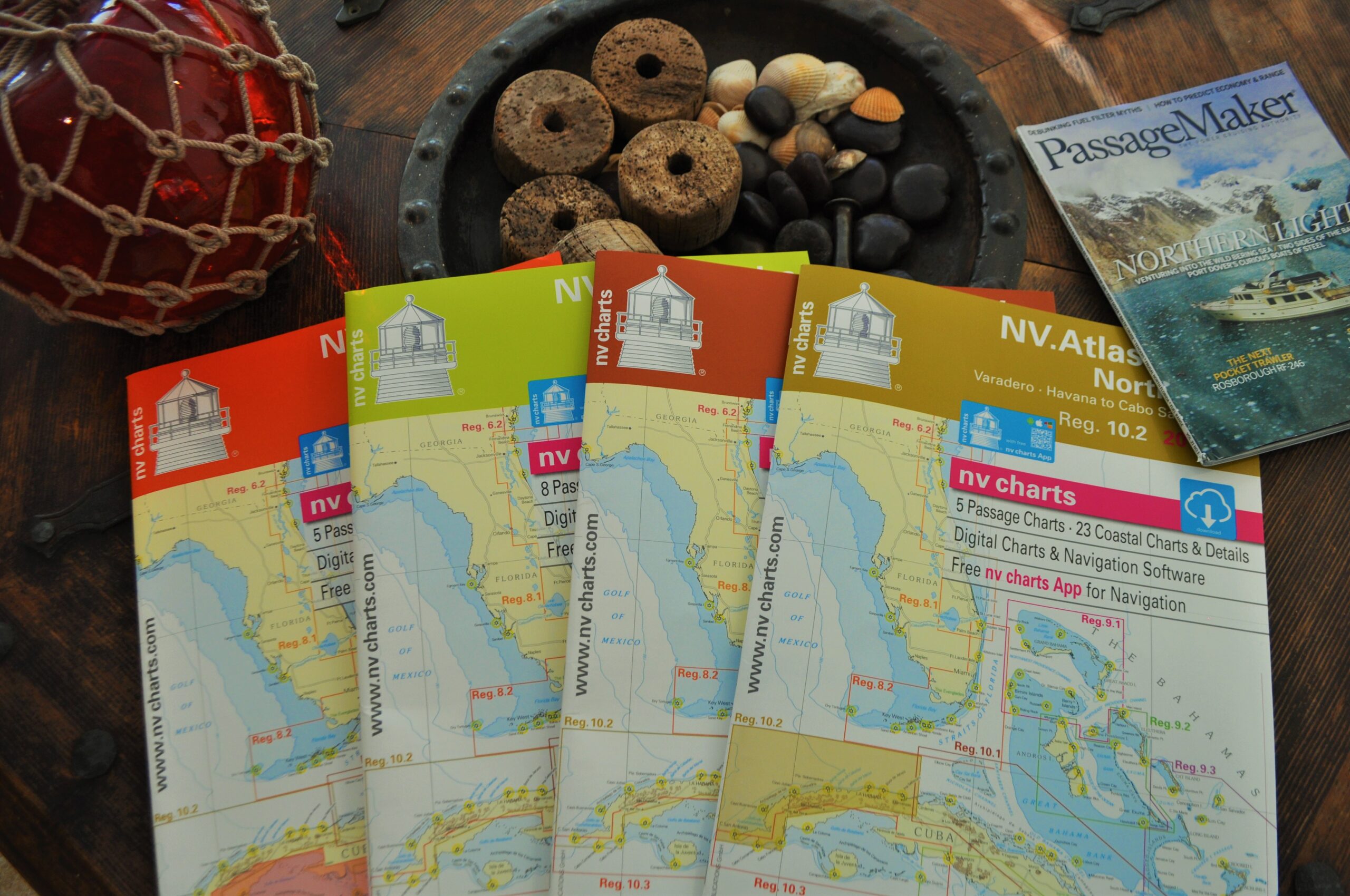
Personally I have no problem going electronic-only when transiting familiar waters or inland waterways. But I love maps and charts. In fact as I typed those six preceding words, I looked up lovingly at the map of the Caribbean basin above my desk.
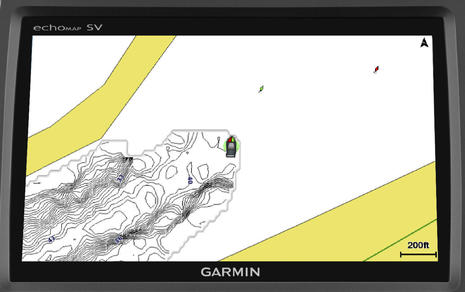
Yup, you’re going to be able to easily collect soundings as you cruise, if you want, you can watch the resulting high def sonar chart materialize in your wake.
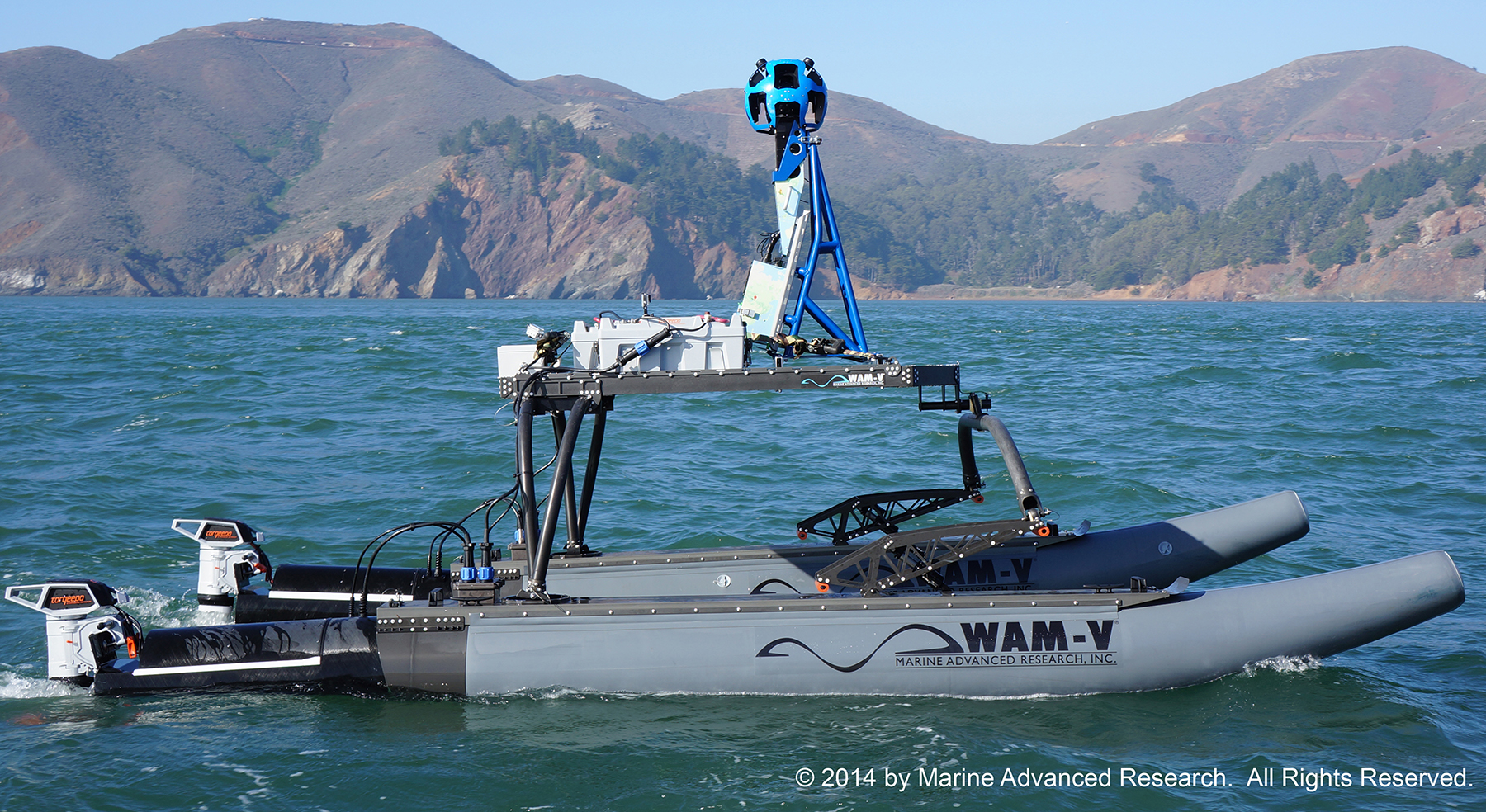
With the help of Google, Torqueedo electric power, solar panels, and a specially designed multihull boat, the Baykeeper project is hard at work photographing some 500 miles of coastline around the San Francisco Bay area.
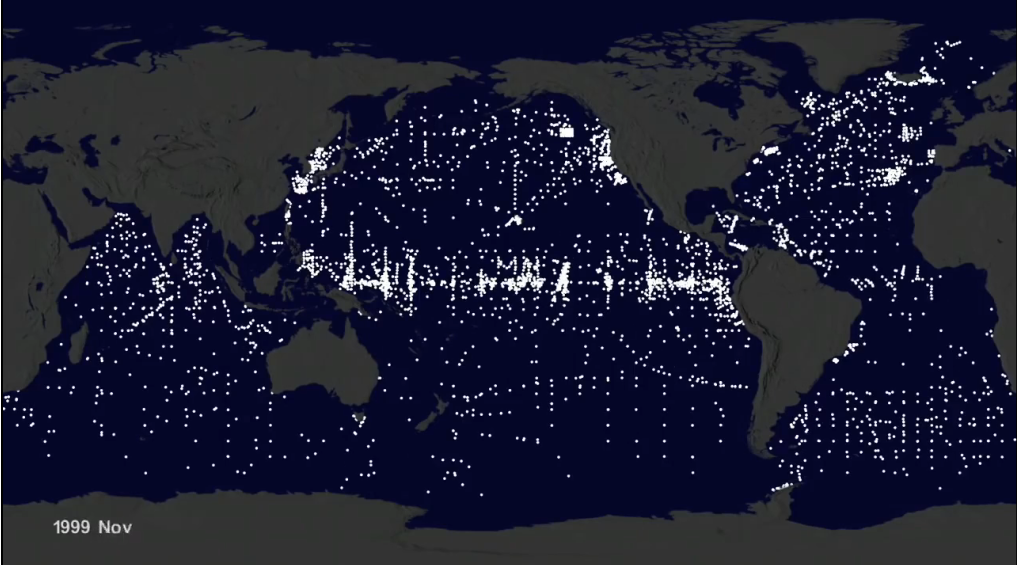
An estimated 70 percent of the trash sinks, and much of it is tiny bits of non-biodegradable plastic floating out of sight just below the surface creating what NASA calls the ‘Garbage Islands.’
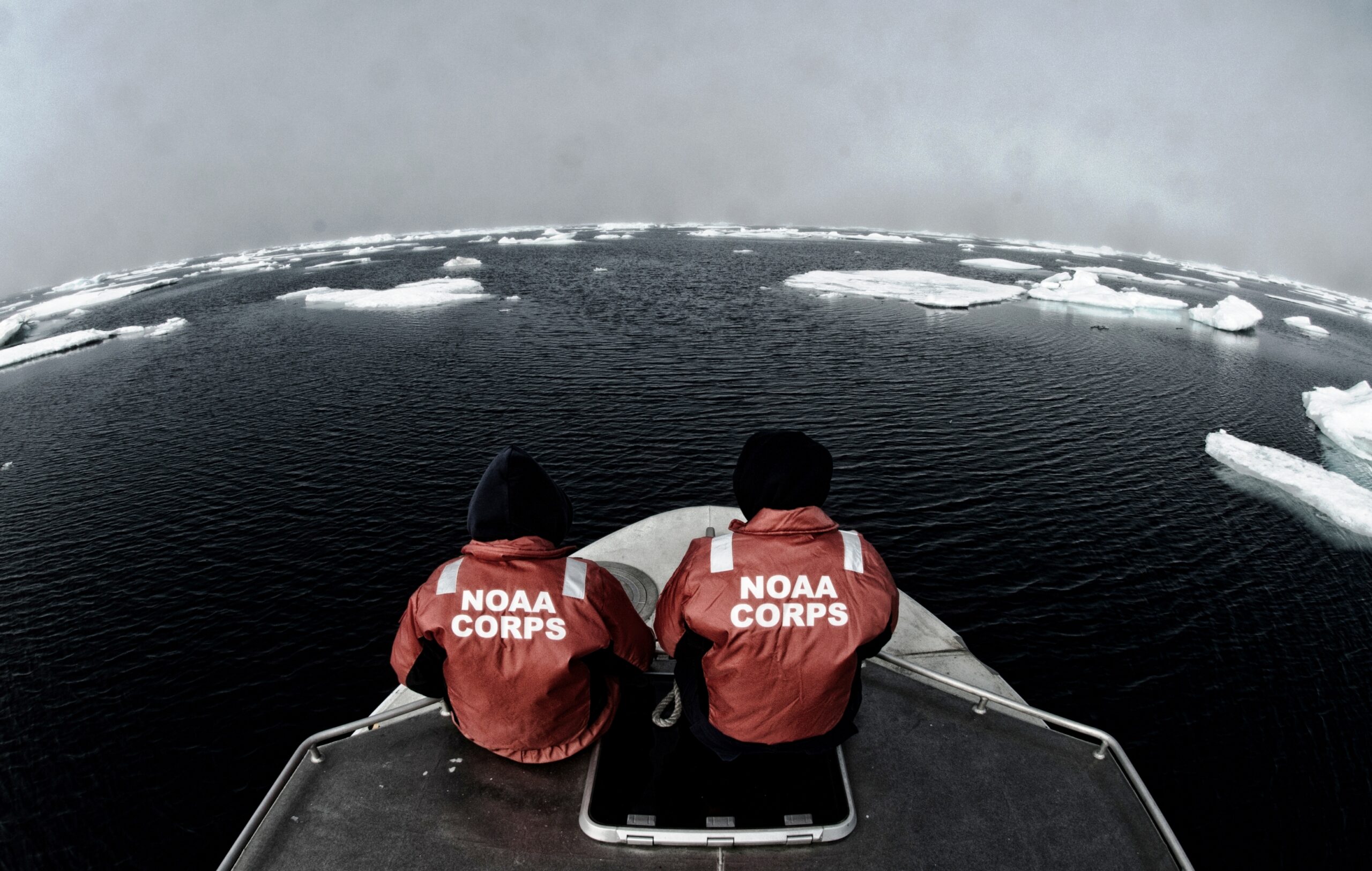
NOAA’s quest to better understand the world’s seafloor continues, as the National Oceanic and Atmospheric Administration has committed two of its ships to collect and update chart data in the Arctic.
For the past three years we’ve used electronic charting, combined with GPS, for navigation. For instance, on a recent overnight trip from New York Harbor
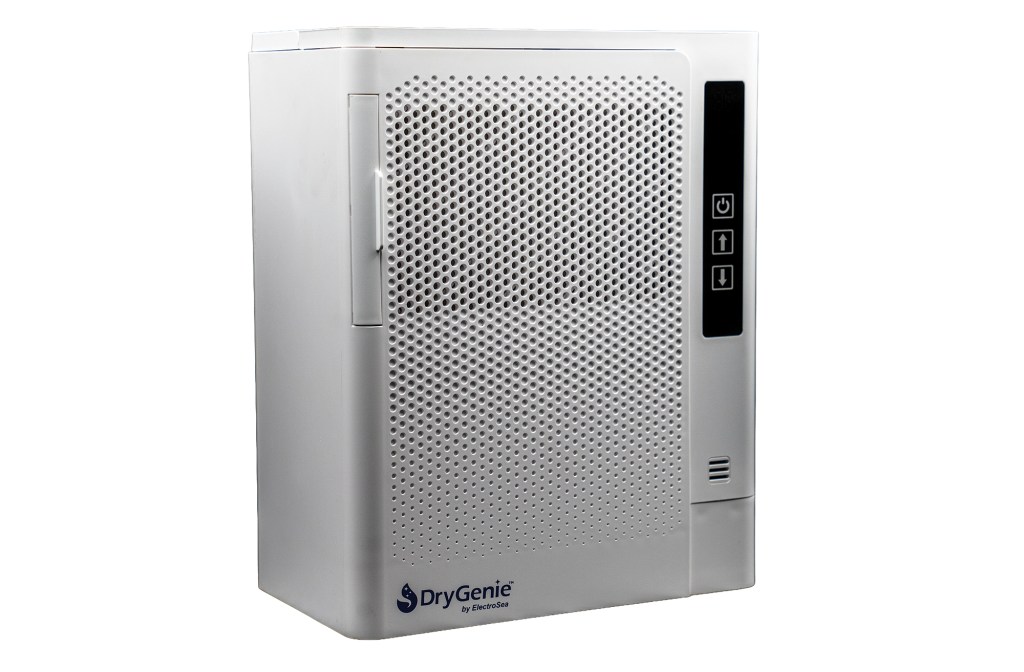
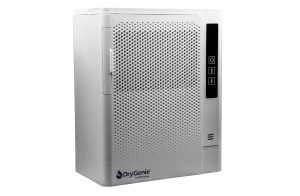
Compact Dehumidifier for Boats
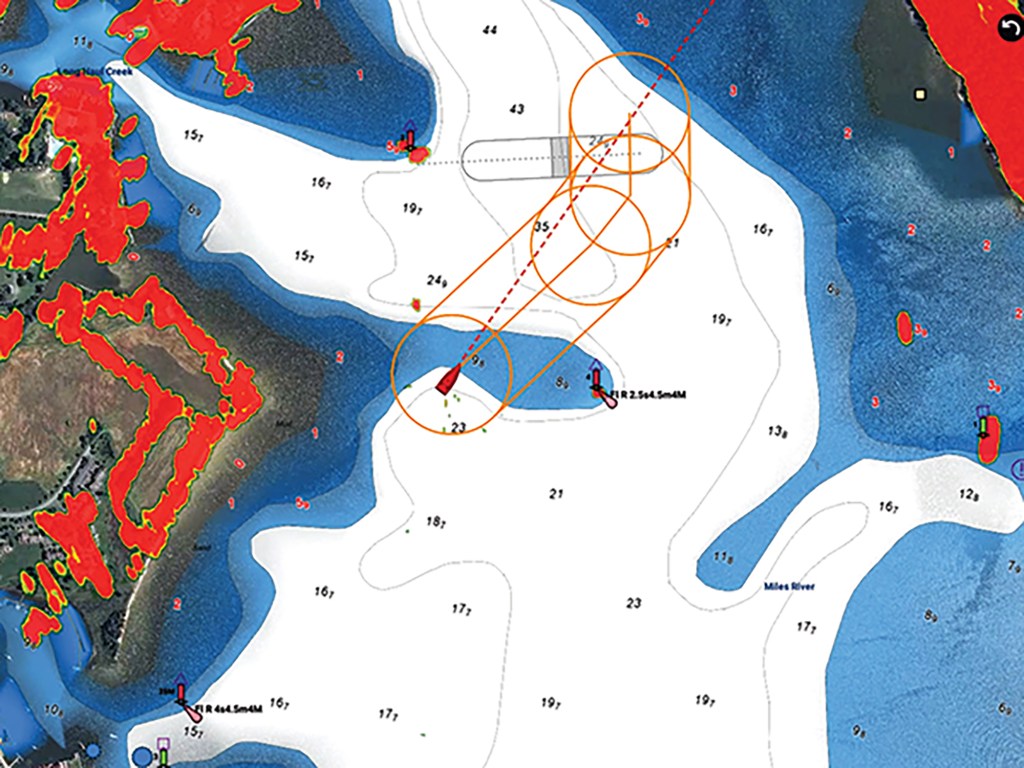
Groundings often happen in the places we think we know. These are the reasons why.
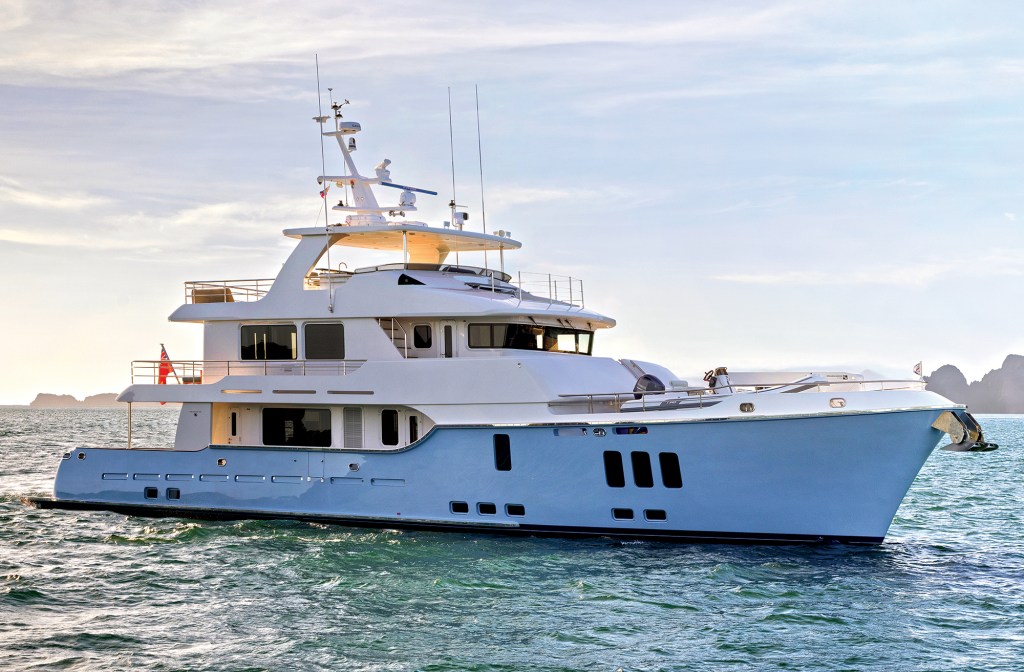
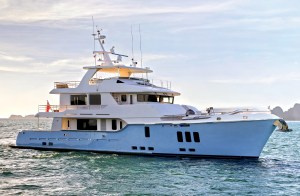
This world-cruising expedition yacht is the result of an evolution that began in 2008 with the first Nordhavn 86.
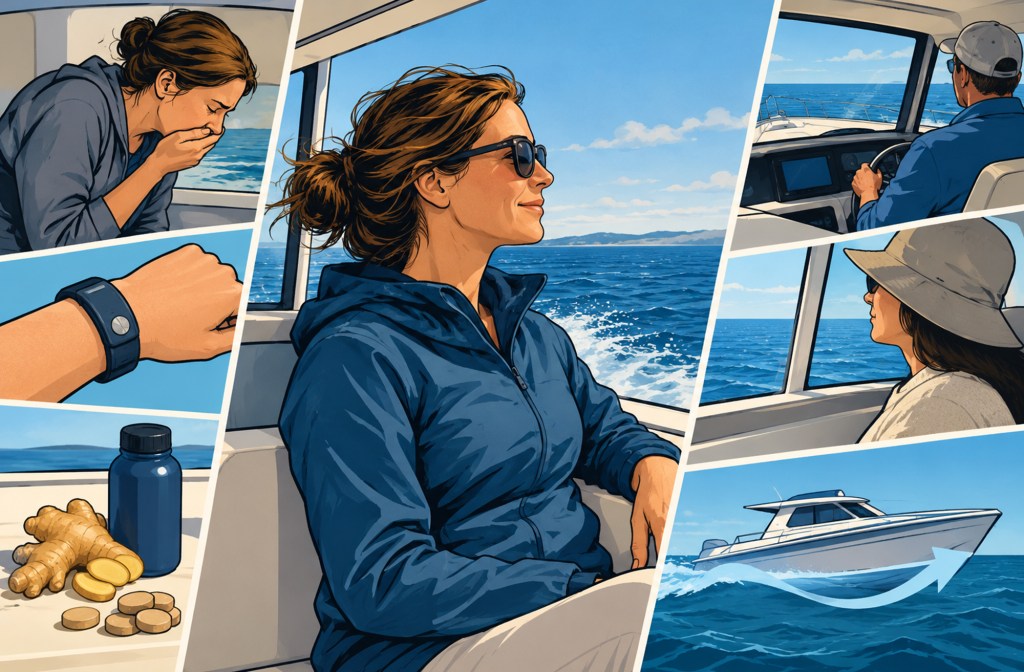
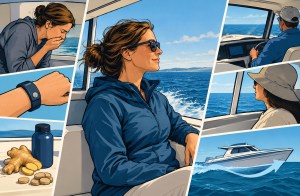
Feeling queasy on the water happens to all of us. Here’s how to identify the early signs and counter them.
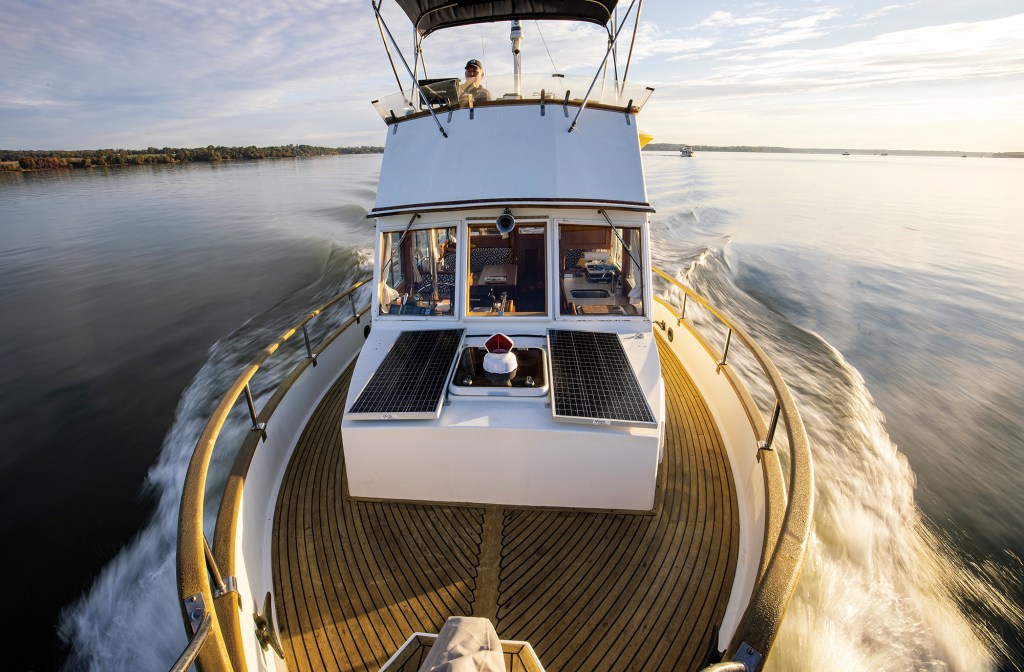
Conversations with the legendary lensman Onne van der Wal.
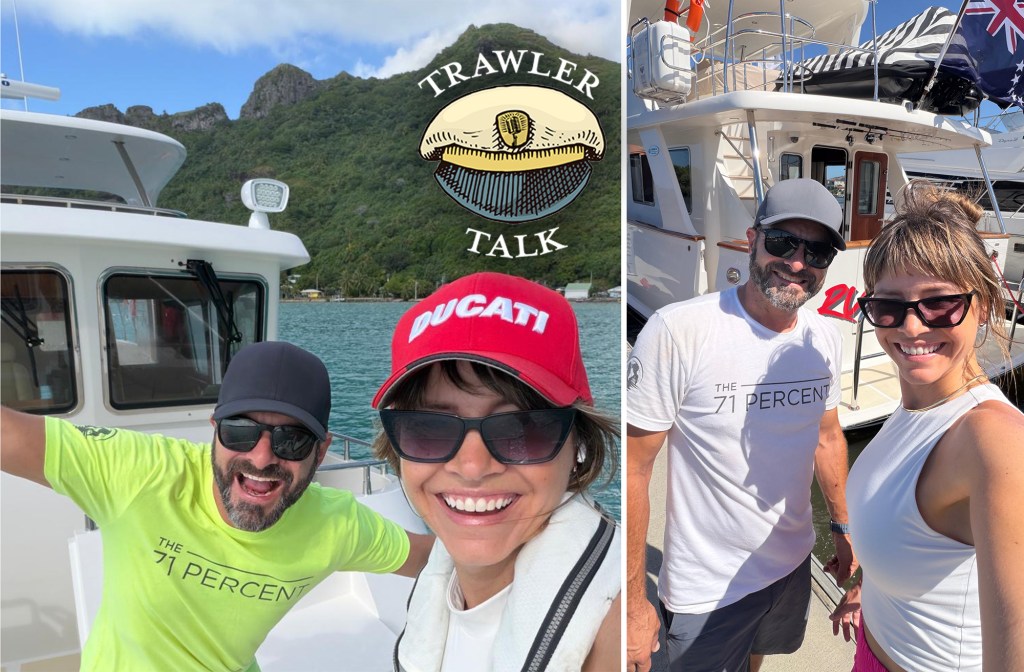
Nathan and Lindsay of the 71 Percent—the can’t stop, won’t stop power cruisers—completed a “wrong way” crossing of the Pacific Ocean.
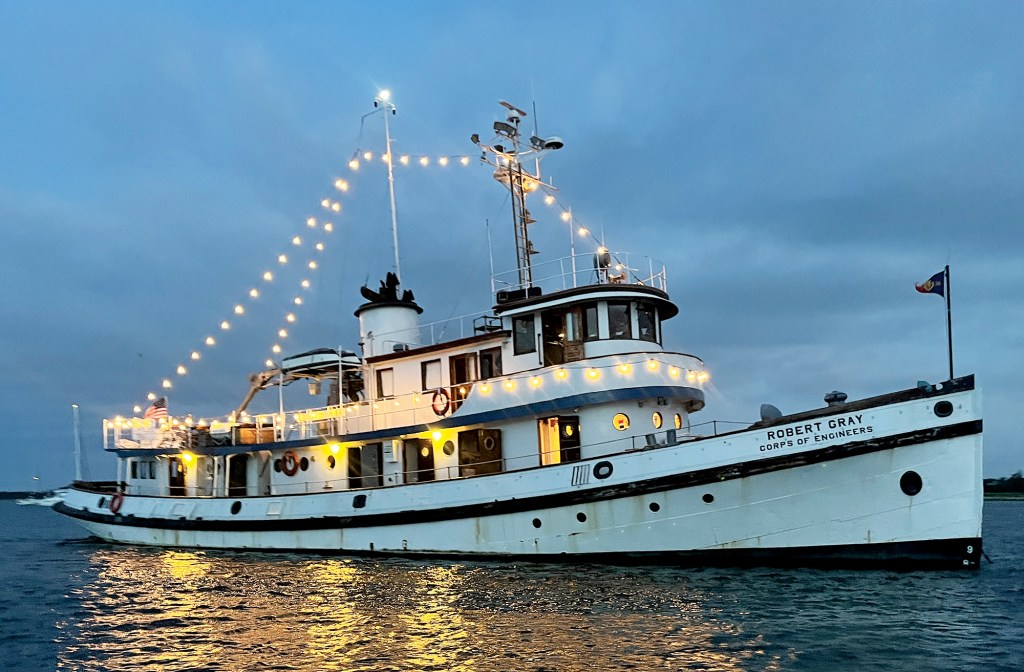
An adventure aboard a 90-year-old ship brings the past to life.
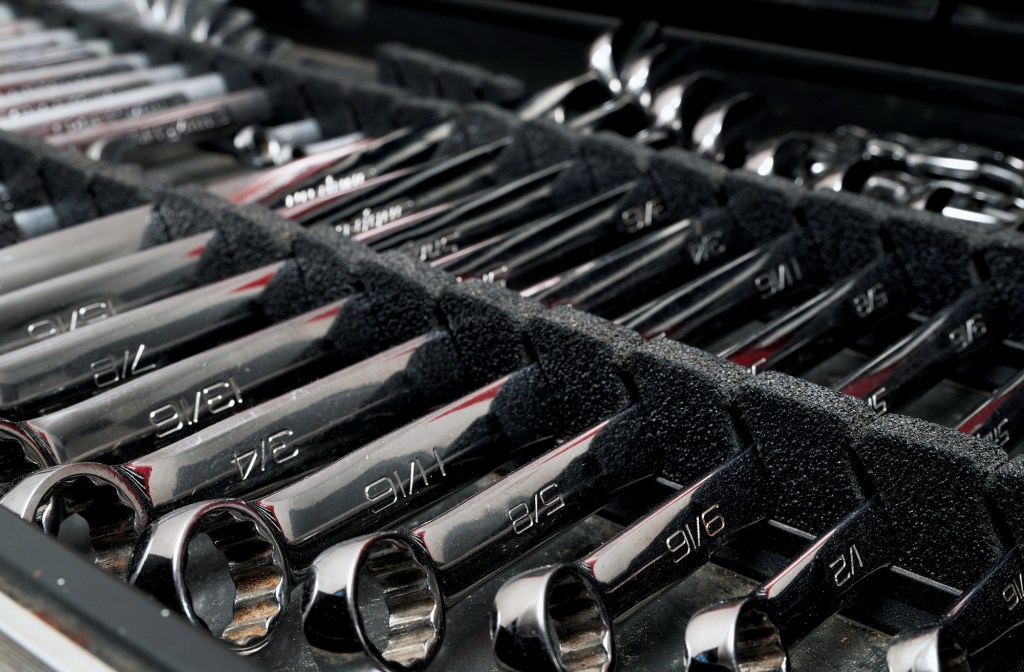
A traveling boat’s toolbox is never full. Try to equip yours to handle any issues that might arise.
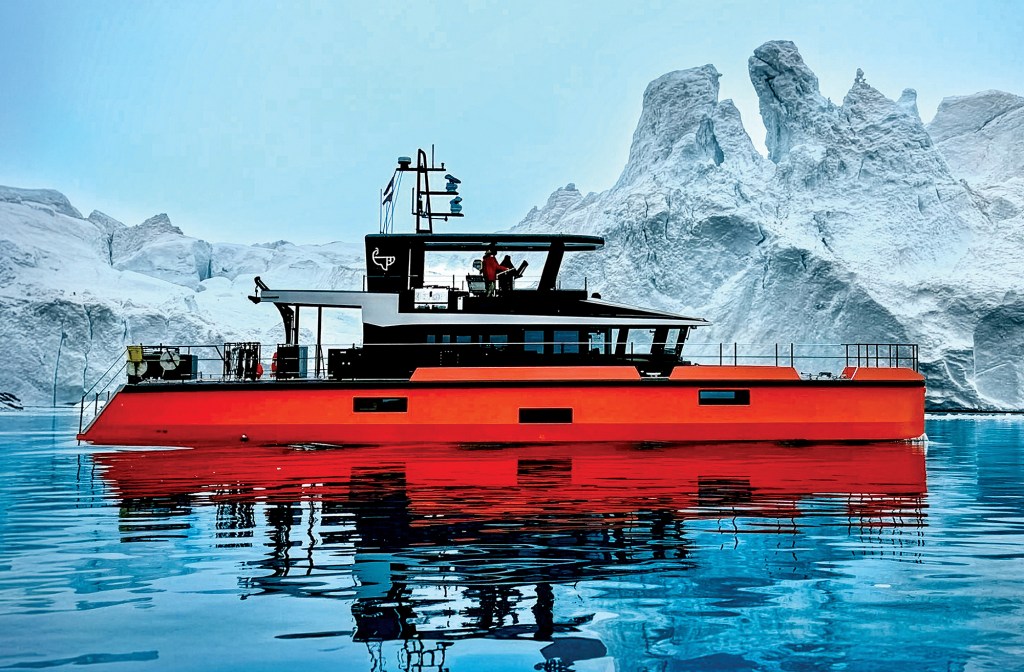
A small crew finds the adventure they wanted on a bucket-list journey to Greenland aboard a custom aluminum yacht.
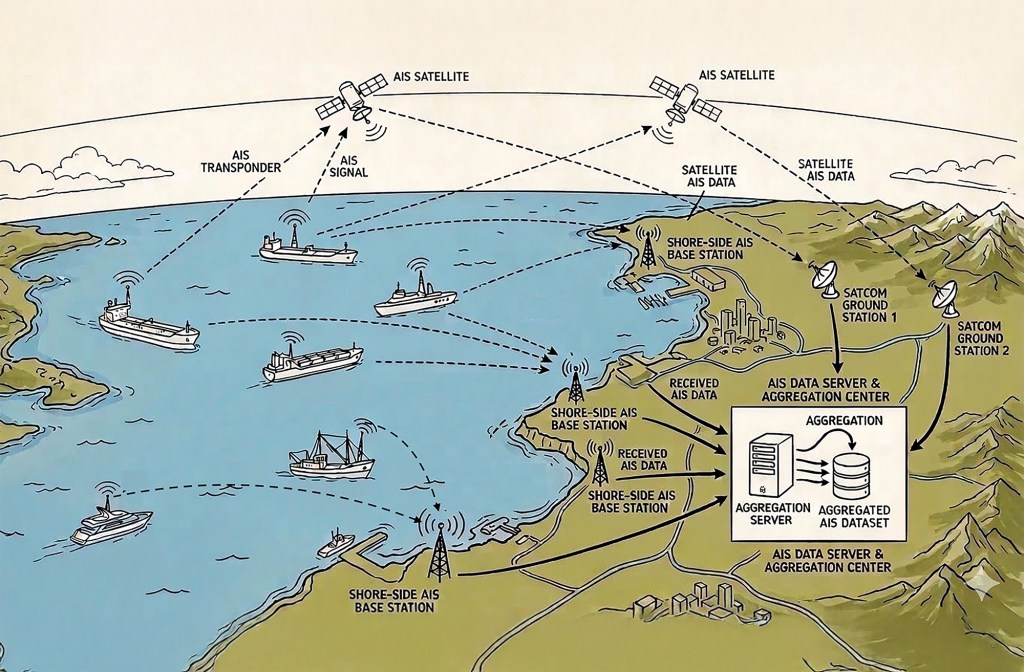
AIS networks are a mighty addition to any onboard suite of electronics. They have significant value, but also limitations.