

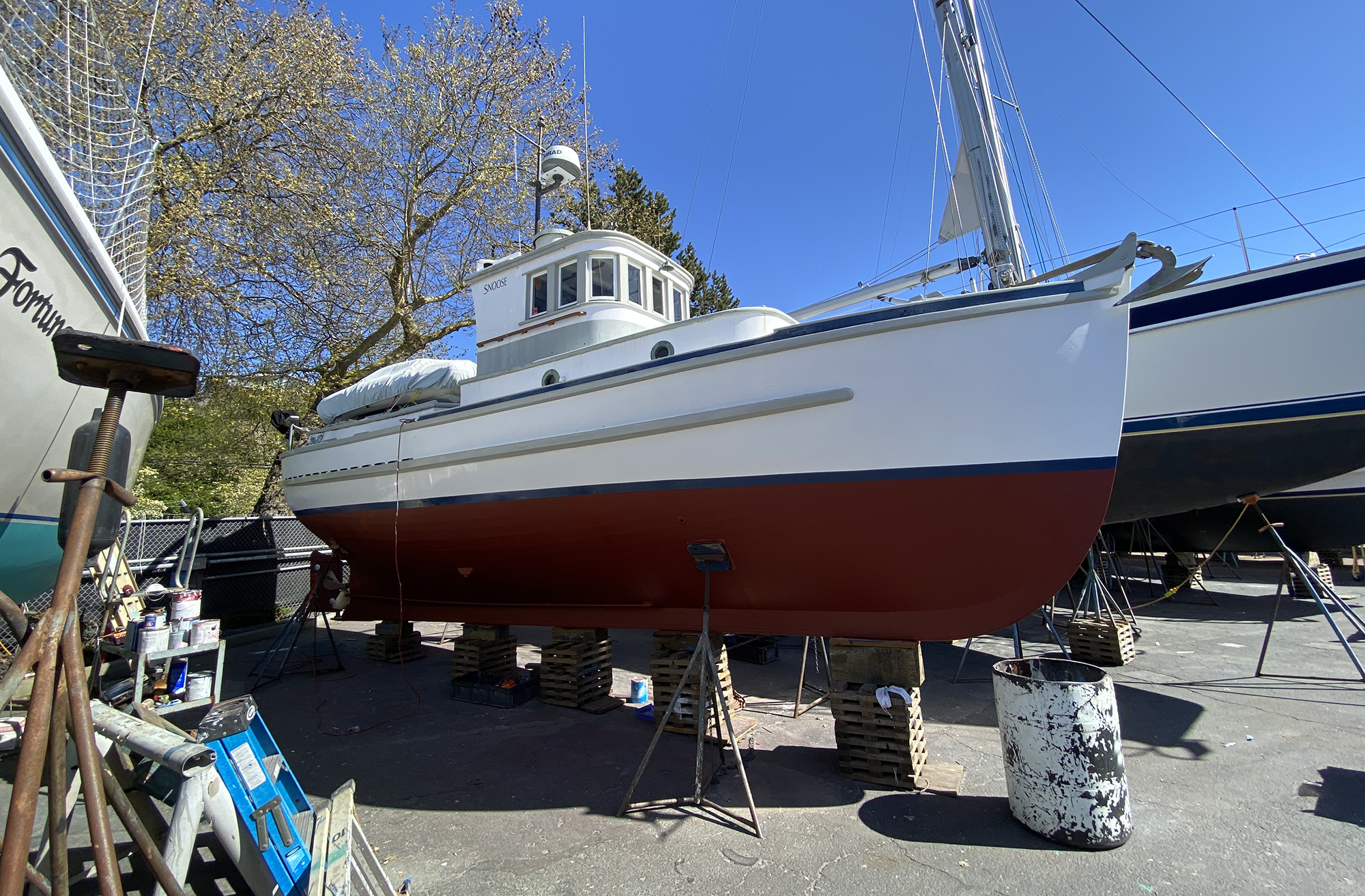
I love everything about a boat—except going to the boatyard. Beyond the typical and often necessary expense, a boat sitting on the hard is a boat that an owner can’t use, sometimes for much longer than originally planned.
The one thing we can all count on is that, whether it’s for routine maintenance or major renovations, time in the yard will be eventful. To help keep the process manageable, here are a few pointers I have learned while owning a fleet of boats throughout the years.
It is vital to communicate with the service manager about what you want done before making an appointment. The boat can be in for its yearly maintenance such as bottom painting, or to repair damage, or for something else. No matter what, staff will have simple suggestions for your boating dilemmas. They also will know how the yard can help expedite the process.
I sat in a service manager’s office one day listening to a customer complain about his smoking engines. The yard’s team asked him when the smoking was most obvious, but he wasn’t sure. He said the transom was always in need of a good scrubbing, and admitted that his guests never complained about smoke in the cockpit or on the flybridge. The service manager then offered to have a mechanic take the boat out and see how it performed—for $145 an hour.
It’s better to spend your money on fixing the problem, by providing details the yard can use.
Another tedious example is tracking down the cause of a boat’s vibrations. If your propeller strikes pay dirt at cruise speed and you feel vibration at the helm, or if you see the bowrail shivering, the damaged propeller may only be part of the problem. A boatyard haulout will let you see if any other damage has occurred, including to the propeller shaft.
Boatyards care about owners’ expectations, but simple tasks can escalate into major projects. Sometimes, this is simply because it’s how to do the job right. Failed antifoulant paint can be due to improper preparation to the substrate. Let the qualified team at the yard suggest ideas. A smooth bottom reduces friction to the wetted surface and allows the hull to slip through the water, providing better speed and fuel economy.
When you hand over your list of projects for the boatyard to complete, note the estimated time needed to handle each one. If you cannot afford to tie up the boat for the total amount of time, you will need to budget your expectations.
Top priorities should be the engines, tender, bilge pumps, bow thruster, air conditioning, generator, windlass, rescue gear and navigation electronics. Varnish work or cosmetic fiberglass repairs can wait.
And whichever way you plan your boatyard strategy, avoid adding or making changes to your list. It only causes conflicts with the workforce once the jobs have started. Instead, check in regularly with the yard for progress reports. That will keep you in the loop and help prevent surprises.
And to be fair, I exaggerated at the beginning of this column when I complained about boatyard visits. I actually enjoy the hustle and bustle of skilled shipwrights and workers getting things done efficiently while making my boat look good. It is these dedicated folks who make boating fun and who make pleasant ownership achievable for many of us.
This article originally appeared in the October 2025 issue of Passagemaker magazine.