


My family and some friends were in Ocean City, N.J., and made a last-minute, holiday-weekend booking for a small squadron of PWC after our boat rental fell through on a mechanical issue. Everyone got their fill at the yoke, and then I took a few solo laps in the designated area for the rentals.
It was a bit startling how quickly things started to unravel. With the PWC crowd thinned out, several boats blasted through the clearly marked PWC area, ignoring the channel for boats that flanked it. The seas got even more confused by the boat wakes, knocking several riders—who were idling—into the water. No one was hurt, but they were panicked. Some needed assistance to get back on the watercraft.
Like the rest of the riders, I had the emergency cut-off lanyard on my wrist and I was wearing a PFD. My head was on a swivel the entire time, looking out for other riders and boats.
I ended up being fine, but I realized something that we all need to consider out there on the water: I could only control what was within my power to control.
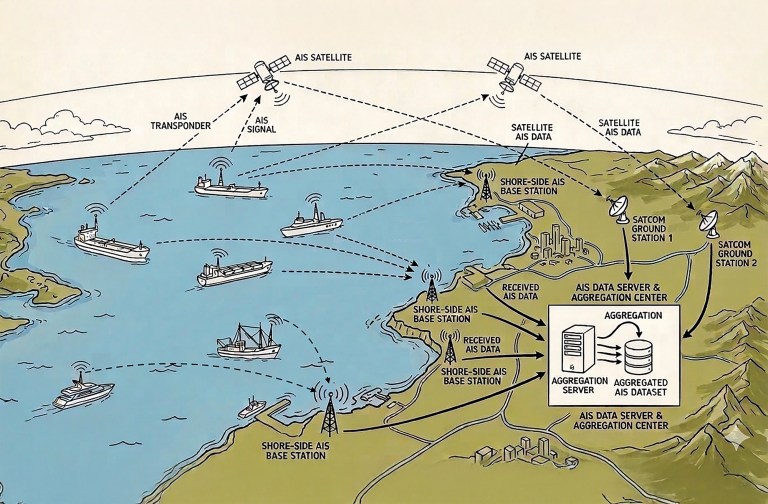
Even in a protected bay in sight of land, things can quickly go wrong. Out on the open ocean, multiply the potential problems by a thousand. We all avoid risk through vigilance—from rigorous maintenance of our craft’s systems to installing and upgrading electronics with the latest charts, built-in AIS and MOB alerts. Onboard emergency equipment, such as flares and PFDs, are part of any safety checklist. And if things go wrong, it is heartening to know that EBIRBs, personal locator beacons, ditch bags and life rafts give us a puncher’s chance of telling our survival stories.
Even if you know how to deploy your boat’s life raft and use an EBIRB, the maintenance on these items is not as clear as our raw-water strainers after a good cleaning. Bob Arrington writes about this in “Rescue Resource,” reminding us that rafts need regular attention by authorized service centers. He suggests that boaters stick around to see their rafts inflated and to see what other equipment is in the hard canister. He also recommends that every crew member—not just the captain—should know where the raft is, how to release it and how to get it overboard.
Also in this issue, Troubleshooter columnist Vincent Daniello dedicates some space to life rafts in his coverage of emergency equipment—EBIRBs, inflatable PFDs, ditch bags and more—that require scheduled service and periodic inspections.
Despite the things we do before casting off lines and pointing the bow at the horizon, things can and frequently will go wrong. It is the boring prep work that takes place before we motor off that can be the difference between a minor inconvenience and a momentous emergency.
This article originally appeared in the September 2025 issue of Passagemaker magazine.