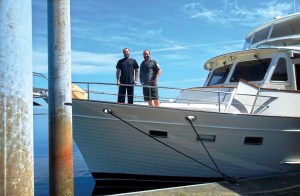


It was just before Christmas 2022 when I left my friend Alyse at the airport in Mobile, Ala., for her flight home. We’d spent a rough three weeks together on the Great Loop, cruising from St. Louis to Fairhope, Ala., in mostly cold, rainy or foggy weather. The trip hadn’t been what she expected, and she was miserable. That made me miserable too, enough to be glad to drop her off, even though I had no one lined up to take her place.
Honestly, I looked forward to continuing on my own. I live alone, and traveling in close quarters with two friends for the first six weeks of my Great Loop trip had been a struggle. Unlike a lot of folks, I don’t get lonely; I’m always busy doing something. I looked forward to being on my own again, being able to make all of my own decisions, not having to compromise on meals or activities, and being able to do the things I wanted to do.
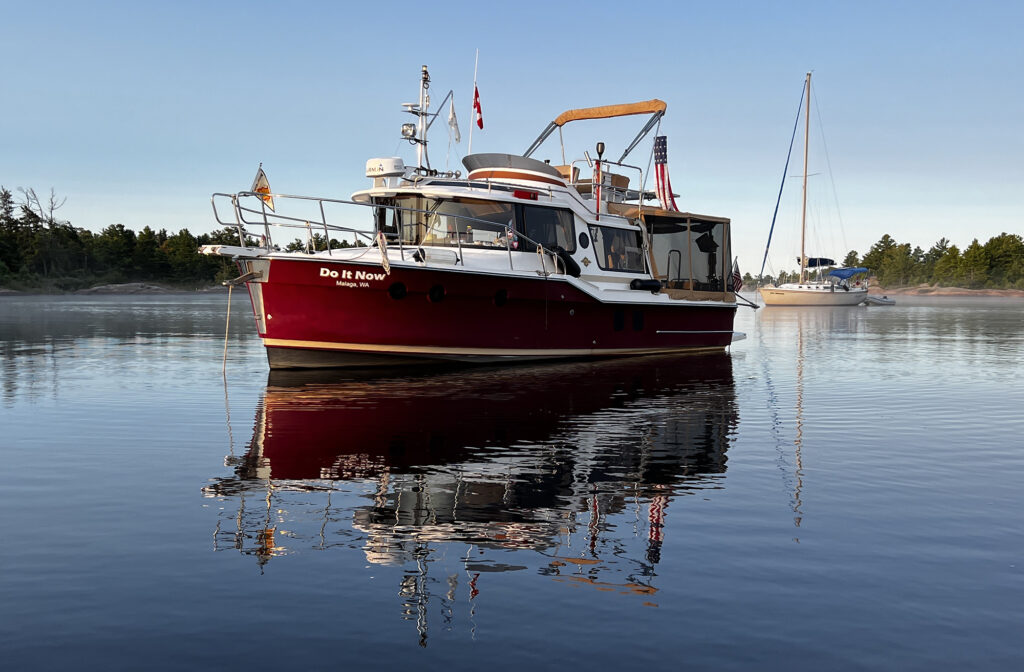
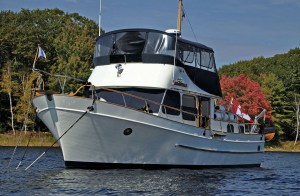
Still, since purchasing my 2019 Ranger Tug R-29 CB in September 2022, I’d only spent 37 hours cruising solo. The boat is well-suited for solo travel, with three chartplotters, two autopilots, radar, sonar, and bow and stern thrusters that have a remote. I’d read a book written by a solo Looper and was a lot better prepared than she was. Surely, I reasoned, I could continue by myself.
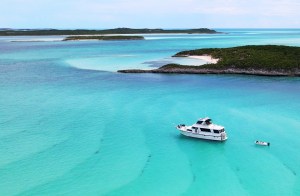
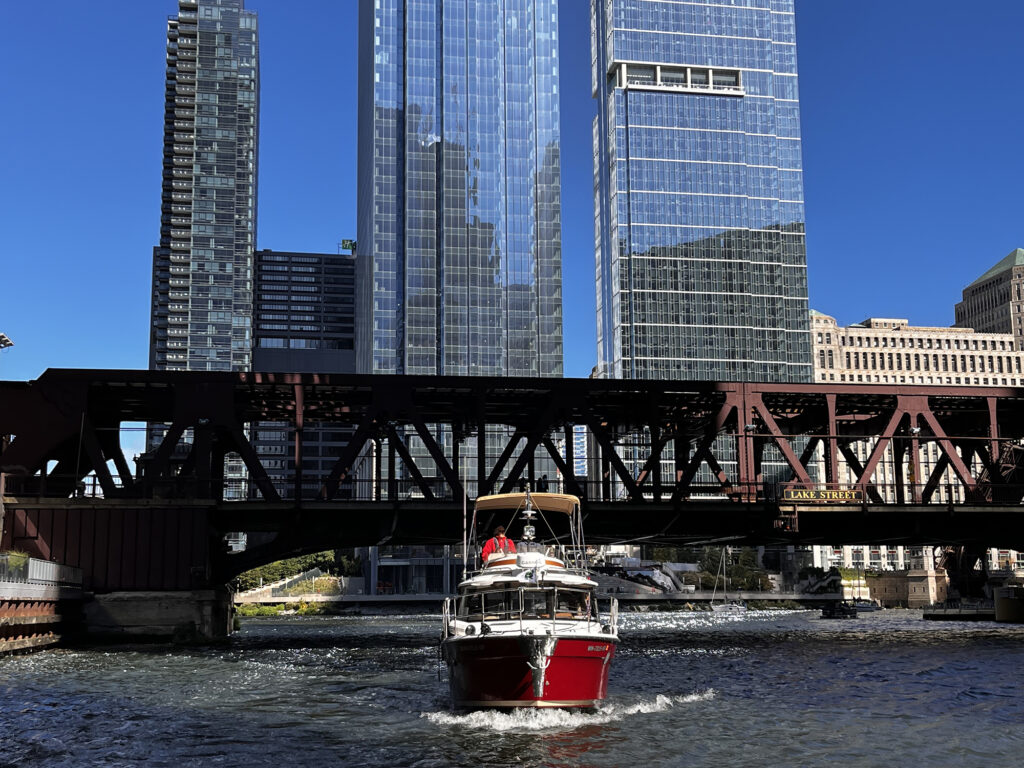
What followed was a total of 362 solo days on the Loop, covering just over 8,000 nautical miles. I cruised from Fairhope to Annapolis, Md., took a few months off to go back to my summer job in Washington state, and then returned in autumn to cruise south for New Year’s Eve 2023 at Key West, Fla. Then I headed back north solo, with side trips up the St. Johns River in Florida and into Lake Champlain in New York. I finished the Loop, via the Trent-Severn Waterway, in Chicago in August 2024.
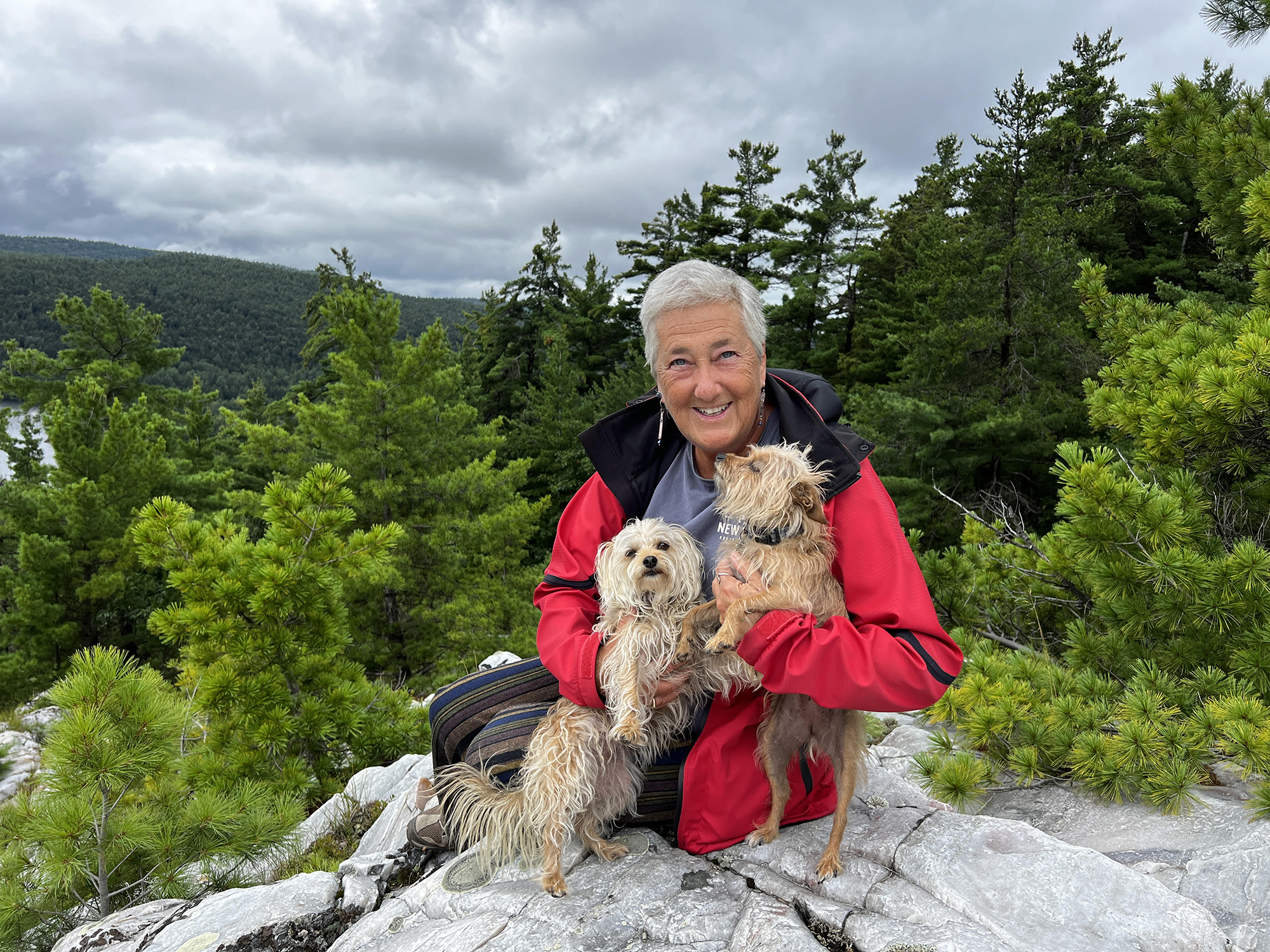
Lily and Rosie, a pair of “Chorkies” (Chihuahua-Yorkshire terriers) I rescued back in 2021, were my companions for every mile. Sisters from the same litter of pups, they quickly adapted to life on board, although they still haven’t learned how to help with docking. Nothing can make a person better at piloting a boat than being forced to handle all aspects of every cruising day. I quickly learned how to dock at a marina in most conditions, often without anyone on shore to catch a line. I could also anchor, grab a mooring ball and hold position in a lock with aplomb.
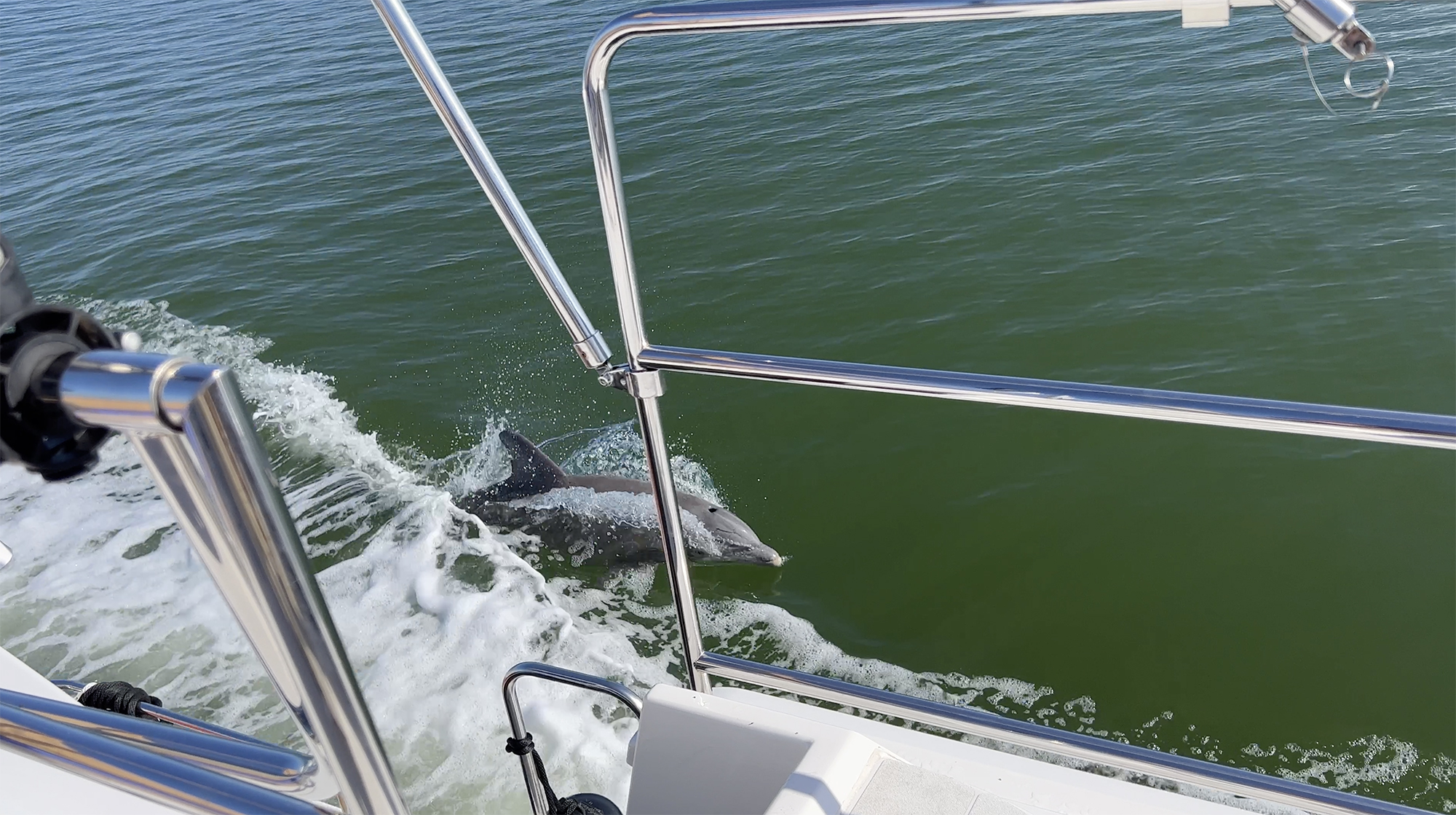
I’m not saying it was easy, although by the end of my trip, it generally was. When you pilot the same boat for more than 1,000 engine hours and thousands of nautical miles in all kinds of conditions, you really do get a feel for how it handles. The trick is to rig the boat for solo travel and to come up with techniques for handling tasks that usually require a crewmember.
Rigging the boat for solo travel was easy. It has eight cleats, four on each side. I have a line attached to each one at all times. I also have three fenders on each side of the boat, always ready to deploy. This eliminates the need to fumble with lines or fenders when coming to a dock.
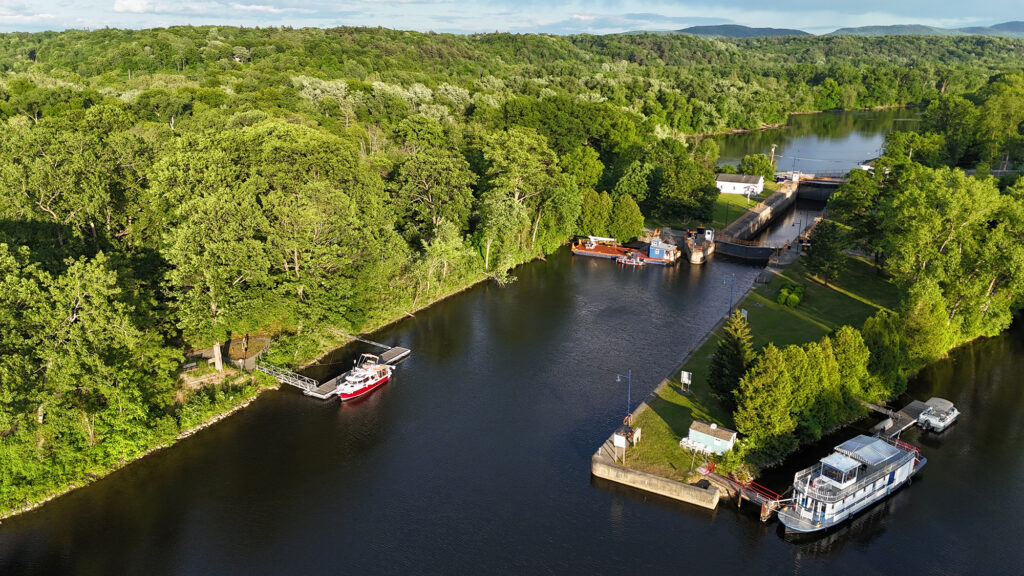
Developing solo techniques for docking, anchoring, mooring, locking and casting off is a matter of trying different things in different conditions. The more practice I got, the more I learned. Practice made close enough to perfect for me.
There were also a few memorable challenges. The first was at Santa Rosa Island in Florida. The wind was whipping, and I wanted a sheltered anchorage. Little Sabine Bay looked perfect on the chart, surrounded on three sides by land, but when I got there, I saw that the land was flat beach that did nothing to stop the wind. I dropped anchor just off a narrow channel surrounded by shallow water. The anchor held, but the boat swung wildly (and loudly) all night. I was exhausted in the morning as I tried to pull up the anchor without letting the wind blow the boat backwards. I managed, but having a companion at the bow would have helped.
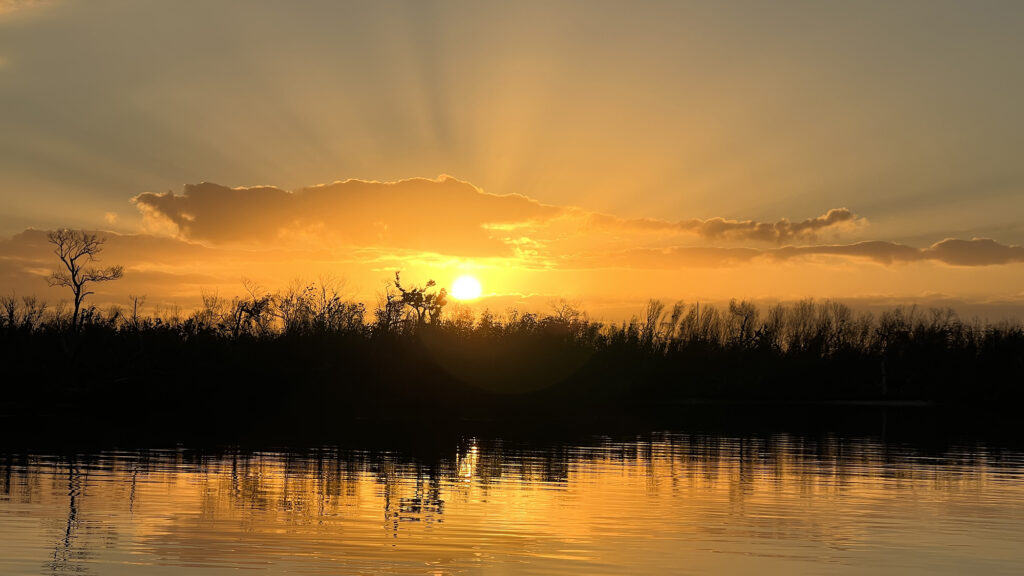
Months later, I learned just how ineffective thrusters could be. I was at the free dock at South Fenwick State Park in South Carolina. The dock ran perpendicular to what I thought was a tidal current, keeping the boat snug against the dock. I planned my departure for an inbound tide, but the current direction did not change. As I tried to depart, a protruding bolt on part of the dock caught the screen on my cockpit enclosure. A companion with a boathook could have saved me $500 in repairs.
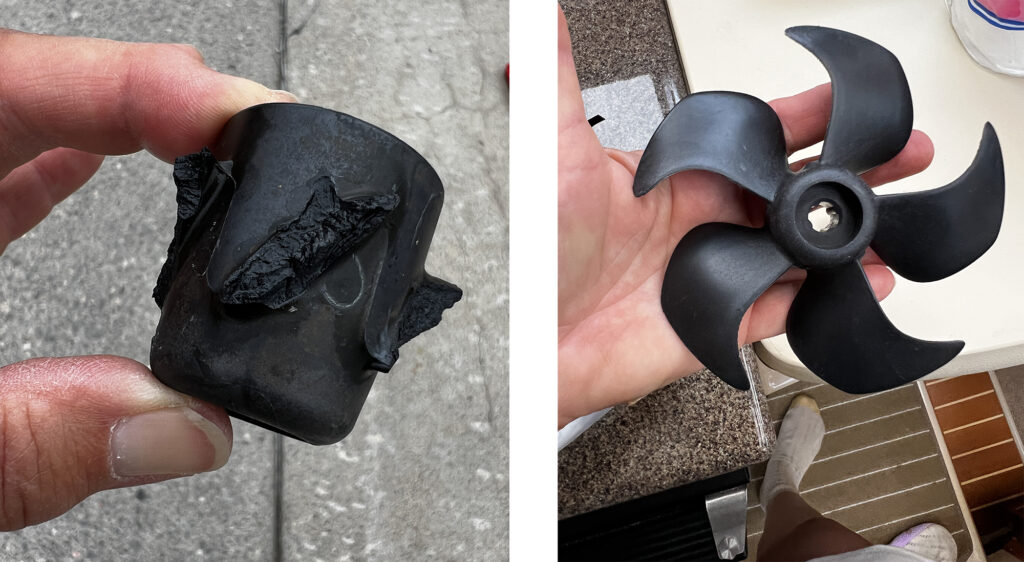
Then there was the time my stern thruster failed at Lock 3 of the Trent-Severn. Until that point, I’d been holding a line on the lock wall from the helm seat, and using bursts of stern thruster to keep the boat tight against the wall. I spent the next 18 locks getting good at locking without a stern thruster. Again, a companion with a boathook—to grab the lock’s line closest to the stern—would have made things easier.
Then again, if I’d had a companion on board, I wouldn’t have learned the things I learned.
And overall, it was an experience I’d like to repeat. I went from a novice to an experienced and confident cruiser, and I certainly don’t regret doing the trip alone. It made the challenge of completing such a long boat voyage even more rewarding, helping me build skills and confidence I’ll have for cruises to come.
This article originally appeared in the October 2025 issue of Passagemaker magazine.