

Photos by Dori Arrington
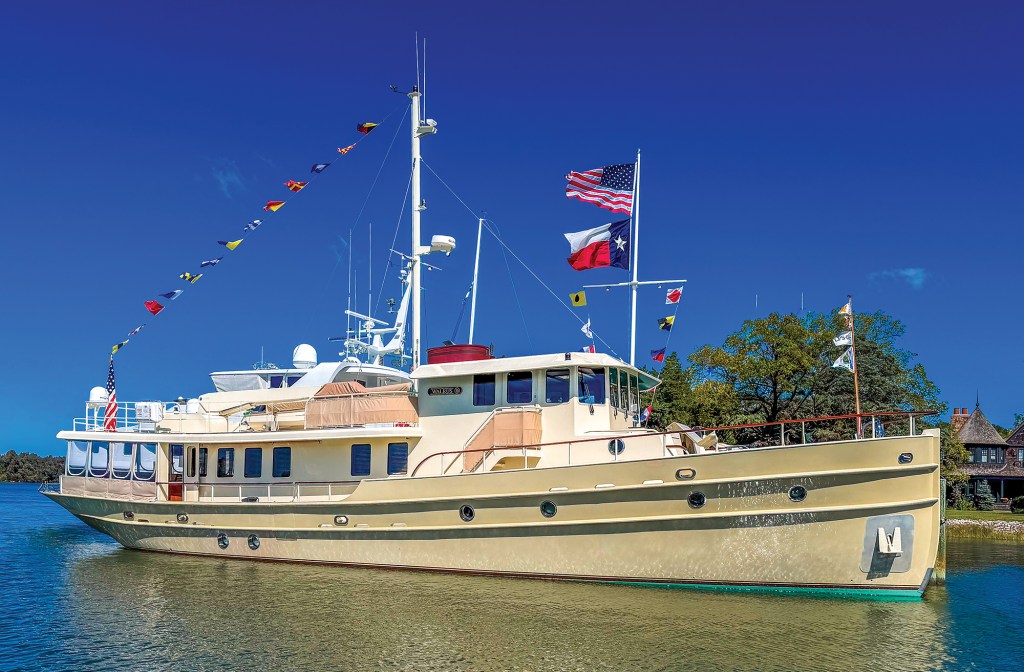
Moored quietly along the Chesapeake Bay, the 76-foot trawler Walrus looks like it slipped out of another century. The gleaming aluminum hull, jaunty smokestack and graceful fantail stern hearken back to a time when oceangoing yachts balanced function and beauty in equal measure.
Yet, this is no museum piece. Beneath its classic lines beats the heart of a modern cruiser that has been thoughtfully upgraded for a new adventure: the Great Loop.
Naval architect Dave Gerr designed Walrus, which launched in 2008 as a modern interpretation of the working vessels of the early 20th century. With a boxed garboard hull—a form descended from the Sea Bright skiffs that New Jersey fishermen once used—it combines shallow draft with remarkable seakeeping. The rounded bilges and flat keel box allow it to skim across shoal waters or beach safely, qualities that make it unusually versatile for its size.
A single 650-hp Caterpillar 3406 diesel drives this 76-footer, which displaces 170,000 pounds. The steadying sail helps tame the roll, while the 4-foot, 2-inch draft and protected running gear are well-suited for exploring waterways where deeper-draft trawlers dare not go. With a range of nearly 4,000 nautical miles at 8 knots, it can comfortably circle the eastern half of the continent without frequent stops for fuel.
For all its traditional appeal, the design’s brilliance lies in its practicality. The tunnel-style stern and shallow keel give the boat efficiency and stability, but they also create challenges when it comes to adding modern systems such as thrusters and stabilizers.
As Walrus’ current stewards cast an eye toward extended cruising, they faced those limitations head-on.
The Great Loop is one of the ultimate long-distance challenges for power cruisers. Boats tackling it must navigate shallow sounds, tight locks and a minimum fixed bridge clearance of 19½ feet—all while being comfortable enough for months of continuous living aboard.
Walrus was an ideal candidate to take on the 6,000-mile journey, but the new owner believed the boat could be improved upon for the kind of precision handling the Loop demands. Two upgrades in particular would bring it from capable to exceptional: stabilization for long open-water passages, and a stern thruster to aid close-quarters maneuvering.
Stability the Dutch Way
Walrus’ hull was never meant for traditional fin stabilizers. The boxed garboard tunnels and rounded sections beneath the waterline left no suitable mounting surfaces. Instead, the original design relied on the steadying sail and natural form stability for comfort—a system that worked well enough, but could be improved for extended cruising in varying sea states.
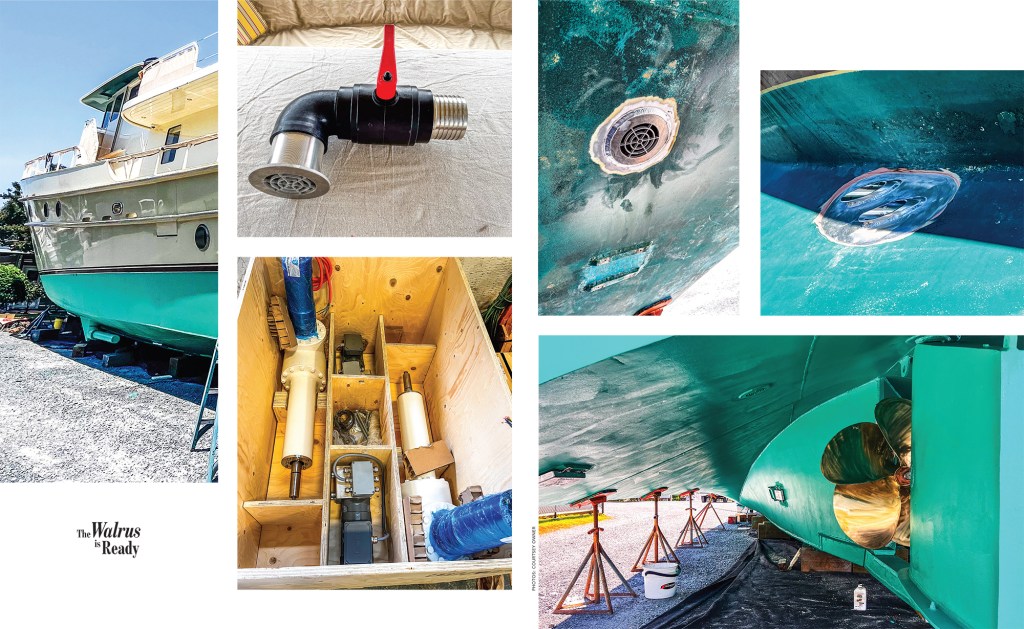
The solution came from the Netherlands in the form of MagnusMaster stabilizers by DMS Holland. This system replaces the usual fin arrangement with rotating cylinders mounted horizontally along the hull. As the cylinders spin, they generate lift—much like an airplane wing that acts opposite to the boat’s roll. The result is effective stabilization at slower displacement speeds, where active fin systems often struggle.
The compact MagnusMaster units could be installed with minimal hull alteration, required no complex hydraulics, and were far less vulnerable to grounding damage. Their retractable design also meant zero drag when retracted, preserving the boat’s long-range efficiency (for more on MagnusMaster, read “Balance of Power” at passagemaker.com).
The retrofit gave Walrus the inherent steadiness of its traditional hull, paired with the comfort of advanced active stabilization. Now, even in a quartering sea, its motion is gentle and controlled—an ideal trait for long passages and life aboard.
Turning a Big Boat Gracefully
The second improvement addressed maneuverability. With a single-screw propulsion system, Walrus handled predictably once underway, but backing and pivoting in tight marinas required patience and planning. The bow thruster worked well, but without a stern counterpart, control was limited. Especially with the recessed propeller and rudder that effectively eliminated prop walk.
Also, the boat’s elegant fantail stern posed a design problem: There was no room for a conventional tunnel thruster without compromising the hull integrity or the aesthetics. Cutting in large tunnels wasn’t an option.
The answer came, once again, from Dutch engineering. Jet Thruster, a company specializing in compact waterjet maneuvering systems, doesn’t use a propeller in a tunnel. Instead, high-pressure waterjets are directed from small nozzles on each side of the hull. A central reversible pump moves water from an intake to these nozzles, pushing the stern laterally without any exposed components.
For Walrus, this meant adding only a pair of discreet through-hull fittings near the transom. The solution was simple, hydrodynamic and safe. There’s no risk of fouling lines or damaging equipment during a grounding, and no additional drag underway. The system proved remarkably effective during sea trials. With a touch of the joystick, the big trawler now slides sideways or pivots in its own length, making lock approaches and marina docking far less dramatic.
A trusted yard handled installation of the MagnusMaster stabilizers and the Jet Thruster system, with craftsmen skilled in aluminum welding. Every component was selected for long-term serviceability and redundancy, both essential for a vessel likely to spend months far from major ports.
Steering response is crisp, roll damping is precise, and handling in tight spaces is now effortless. These changes make Walrus a great option for tackling the Loop’s inland locks, narrow canals and open waters. The contrast between the boat’s vintage appearance and its modern performance is striking; few yachts blend old and new so gracefully.
The result is a yacht that feels entirely of a piece, with modern systems integrated so seamlessly they never compete with the boat’s original character. From the boat’s varnished caprails to the polished bronze vents and gleaming wheelhouse, its soul remains rooted in tradition. Yet beneath that timeless exterior lies a suite of technology that brings it firmly into the 21st century.
Built to Keep Moving
When Walrus first left St. Augustine Marine Center in Florida, its builder described it as “a boat that makes a virtue of tradition.” Today, that statement holds even truer. The recent refit carries that vision forward, respecting heritage while subtly enhancing capabilities for long-distance cruising.
Walrus remains an aluminum-hull yacht built to roam. Soon, it will begin a journey northward toward the Hudson River, Erie Canal and Great Lakes, then head down through America’s heartland to the Gulf and beyond. The steadying sail may rise on a calm afternoon, its smokestack glinting in the sun, and someone on the dock will surely ask, “What kind of boat is that?”
The answer will always be the same: a one-of-a-kind cruiser that proves good design, like good seamanship, never goes out of style.
Inside the Spirit of Walrus
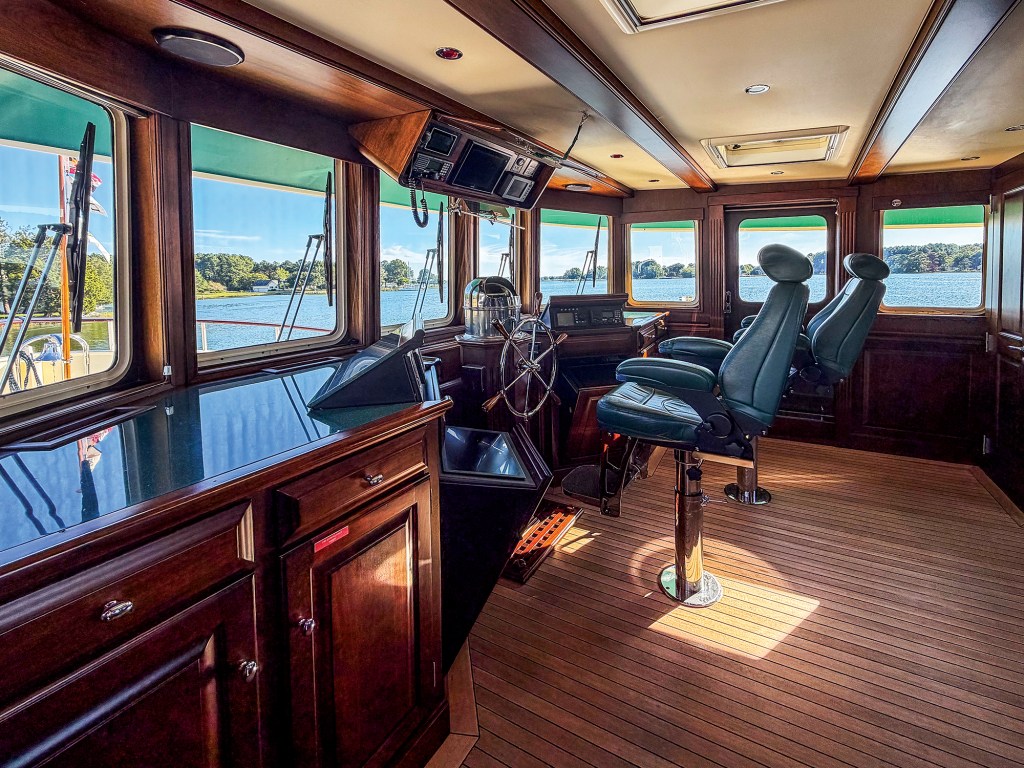
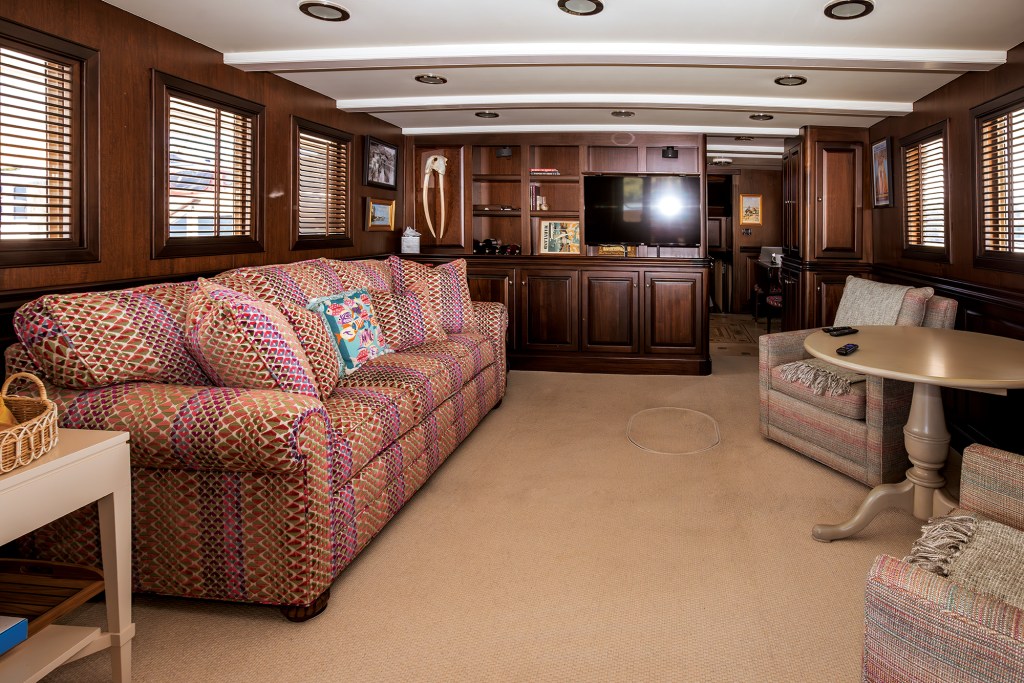
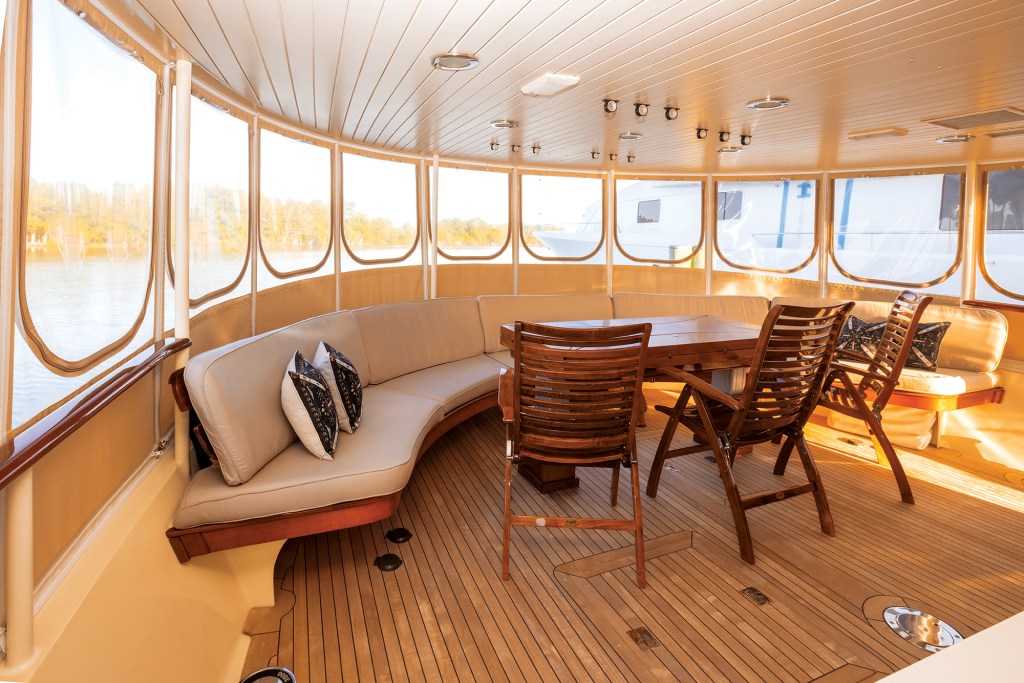
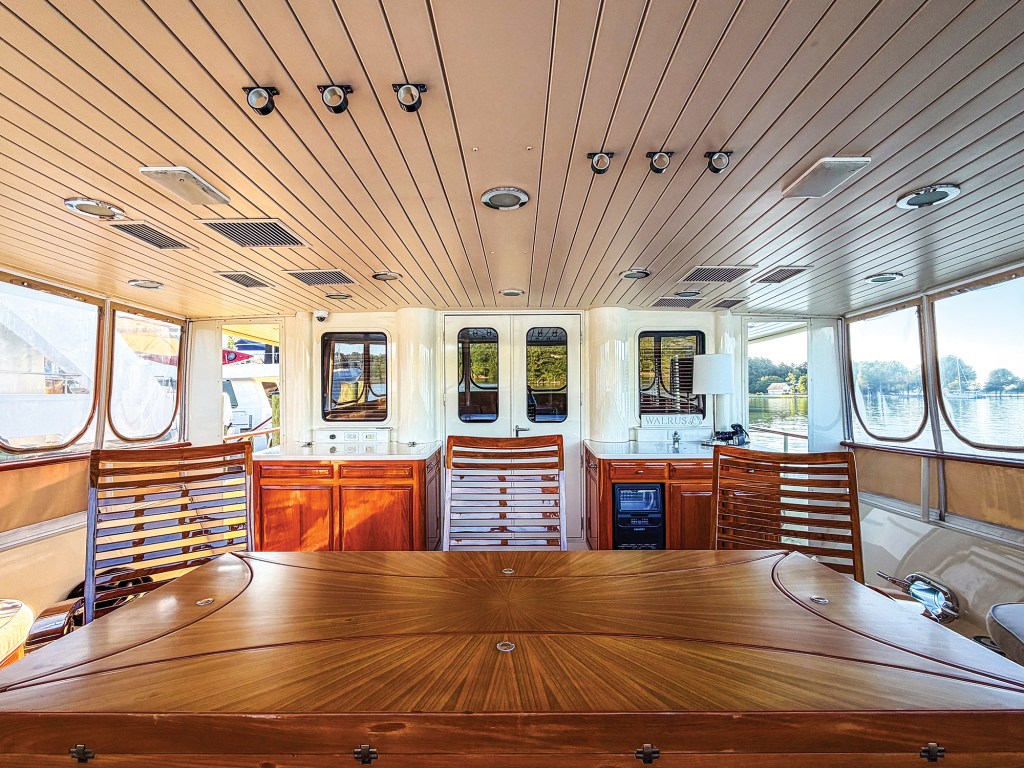
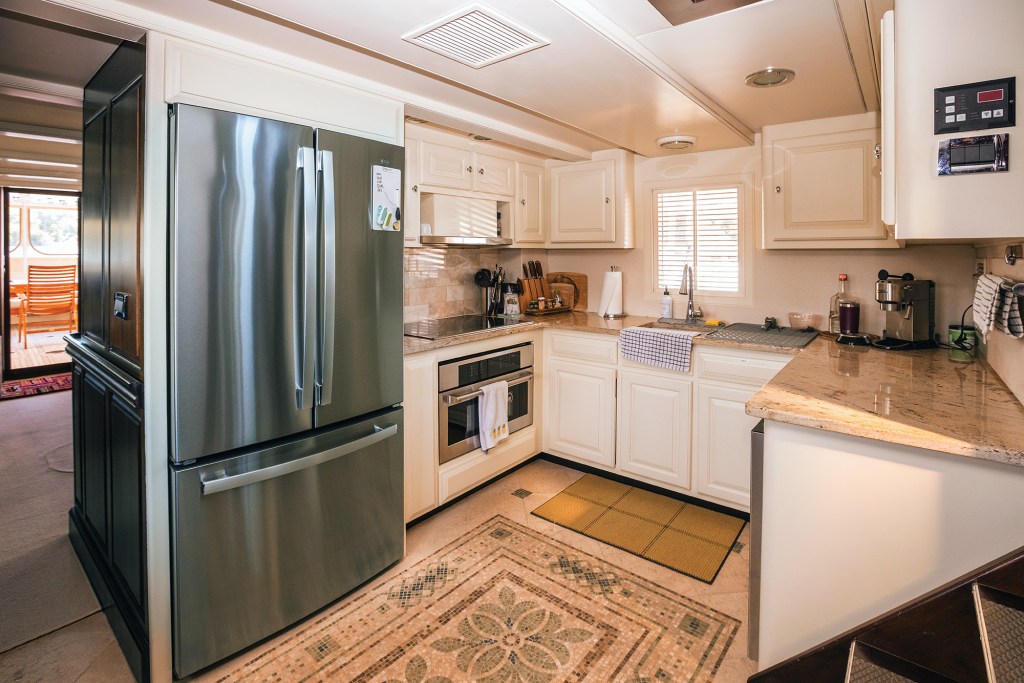
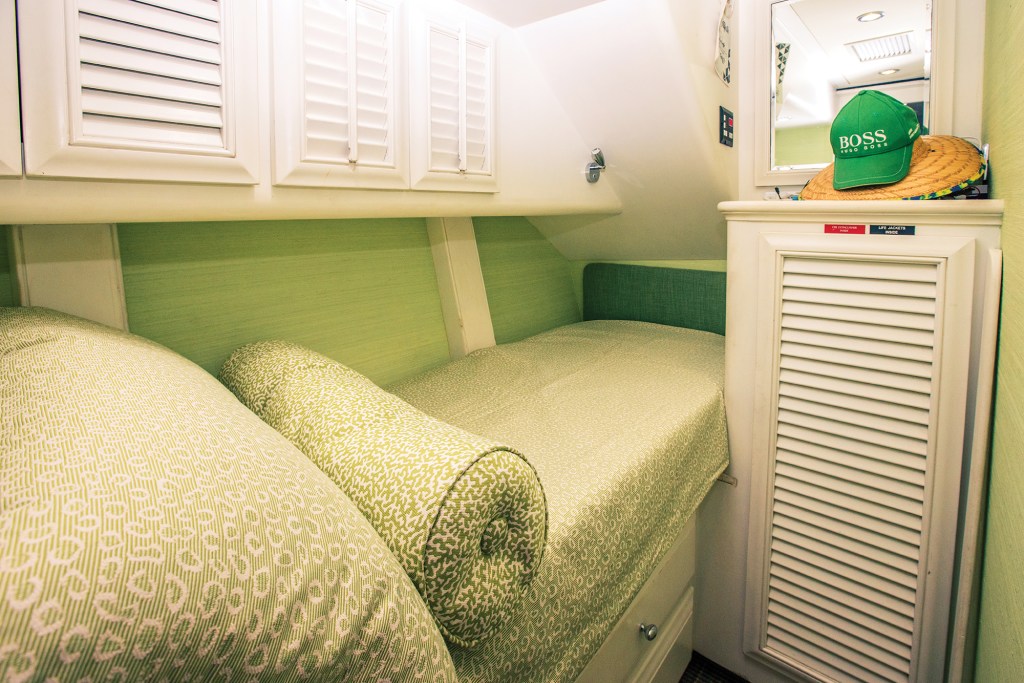
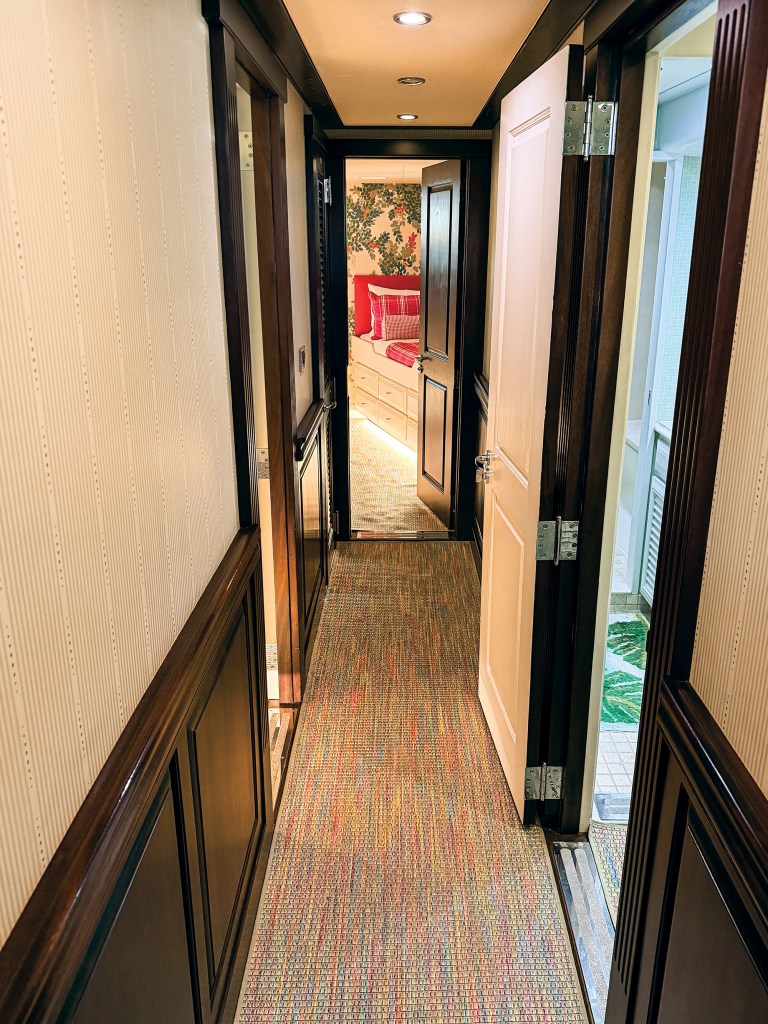
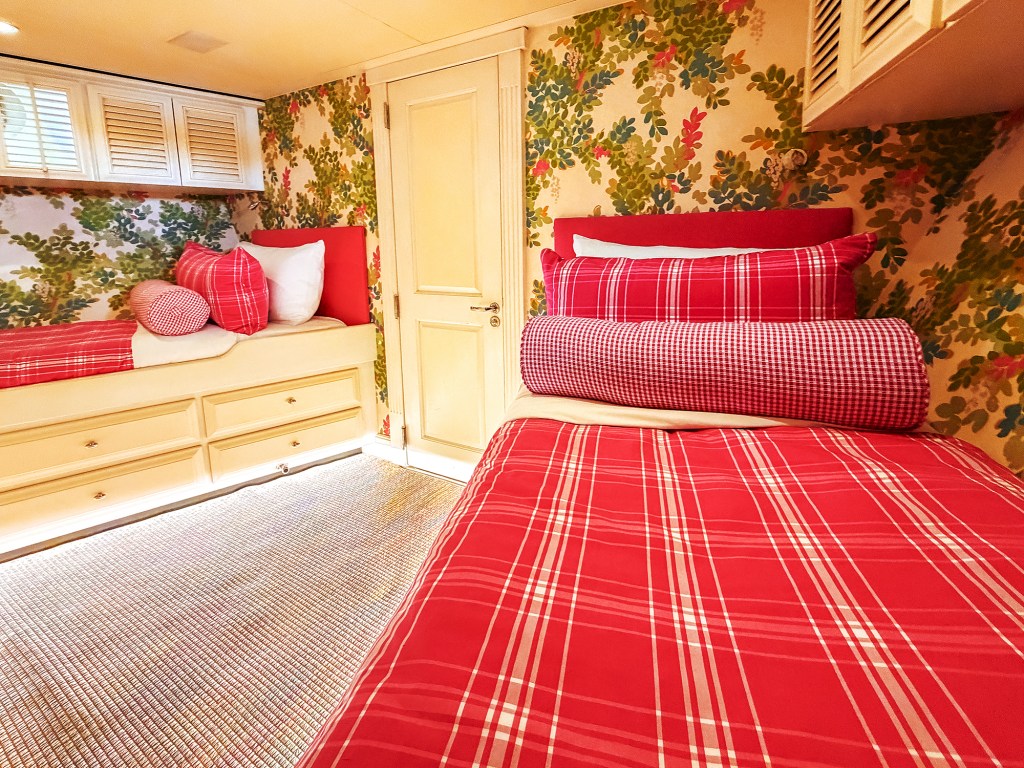
The craftspeople who built Walrus understood not just boats, but also the rhythm of life at sea. The main salon glows with satin-finished mahogany, its joinery as tight as a shipwright’s bench. A built-in china locker, foldout dining table and louvered cabinets all speak to a design philosophy that prizes beauty and practicality. Forward, the wheelhouse feels purposeful but warm. The clever interior designer concealed all modern navigation instruments behind closeable cabinetry. The day head carries a touch of nautical whimsy in its folding Pullman sink, a design once popular on passenger ships to save space. Belowdecks, the two staterooms are bright and airy, finished in soft colors that balance the wood’s warmth. Walrus’ design ethos remains consistent throughout: Every feature has purpose, and every detail reveals an understanding of how people actually live aboard. —B.A.
This article originally appeared in the March 2026 issue of Passagemaker magazine.