A Keel Cooler Retrofit
Usually associated with long distance passagemaking, keel cooling remains a viable alternative for reliable diesel engine operation. Rather than pumping raw water into your boat


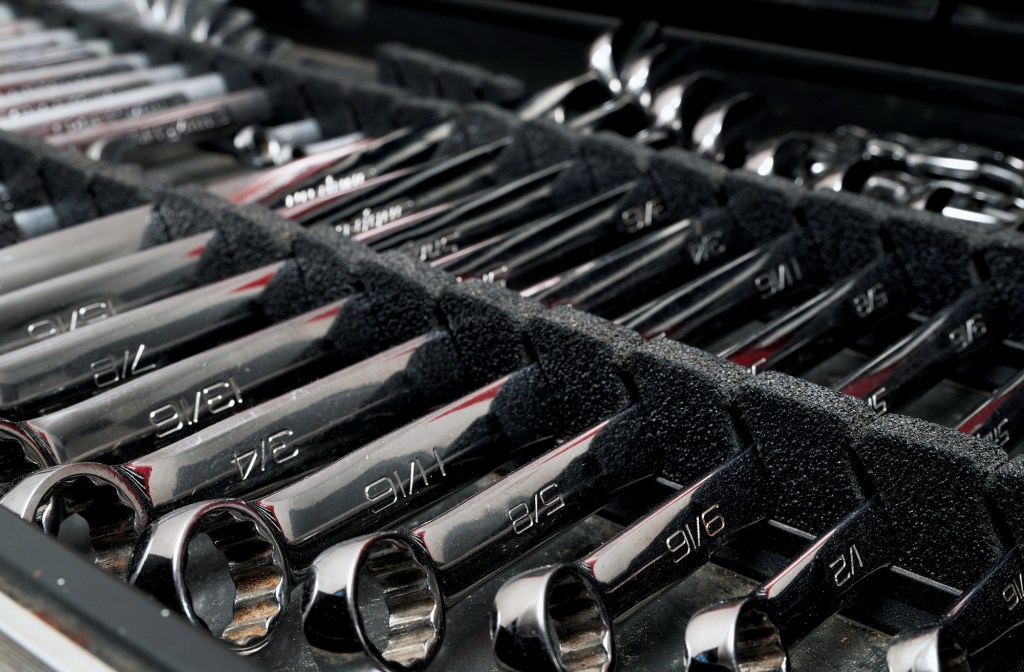
A traveling boat’s toolbox is never full. Try to equip yours to handle any issues that might arise.
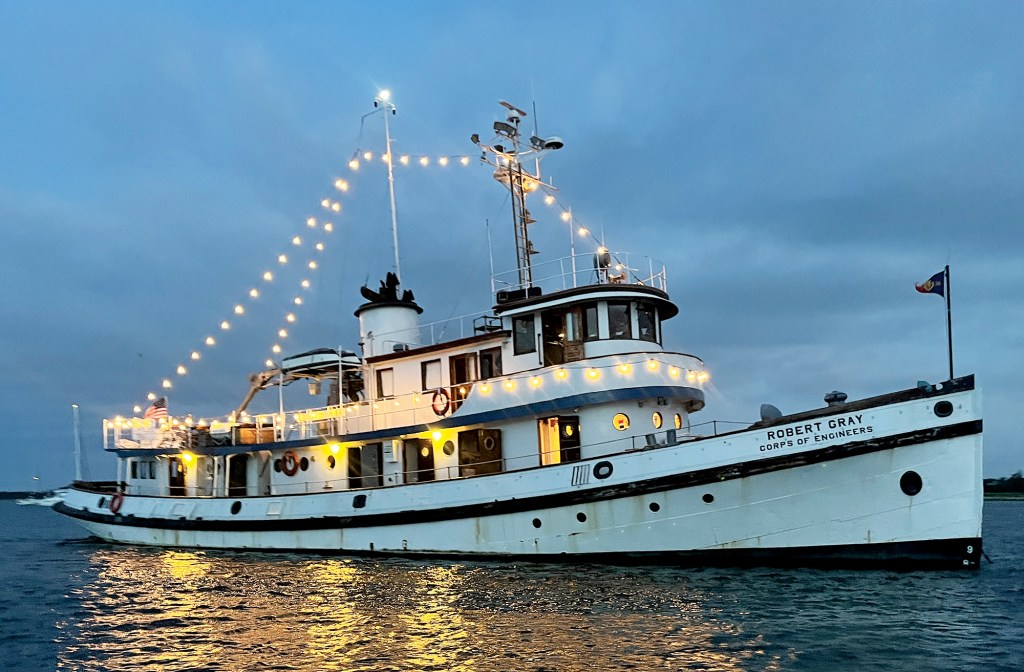
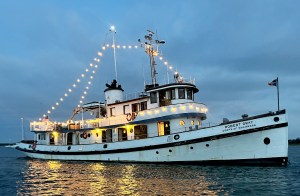
An adventure aboard a 90-year-old ship brings the past to life.
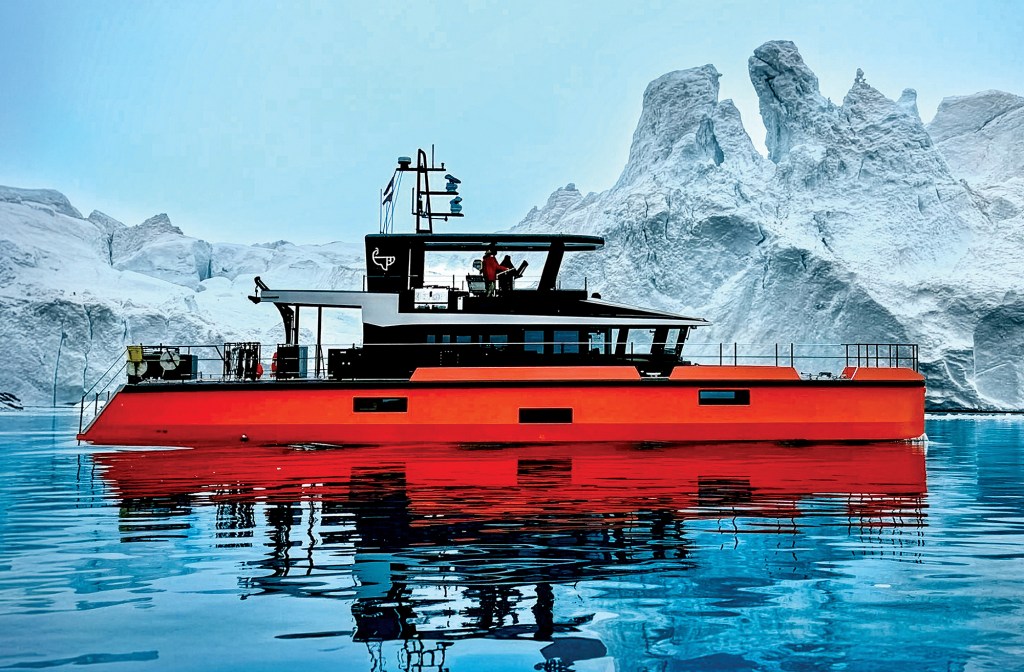
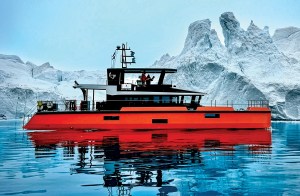
A small crew finds the adventure they wanted on a bucket-list journey to Greenland aboard a custom aluminum yacht.
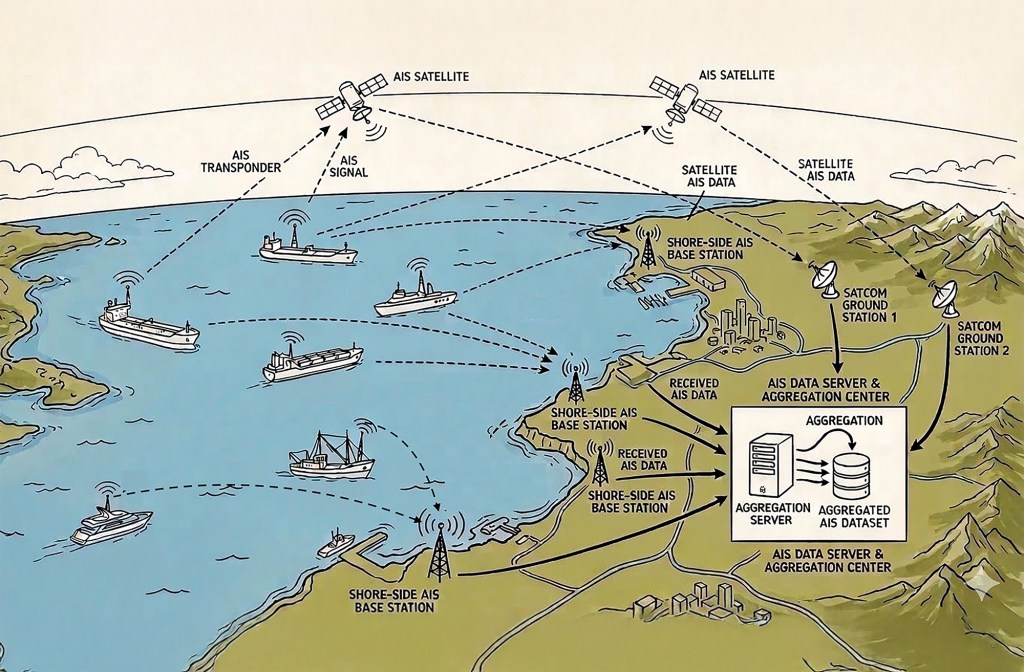
AIS networks are a mighty addition to any onboard suite of electronics. They have significant value, but also limitations.
Video Podcast
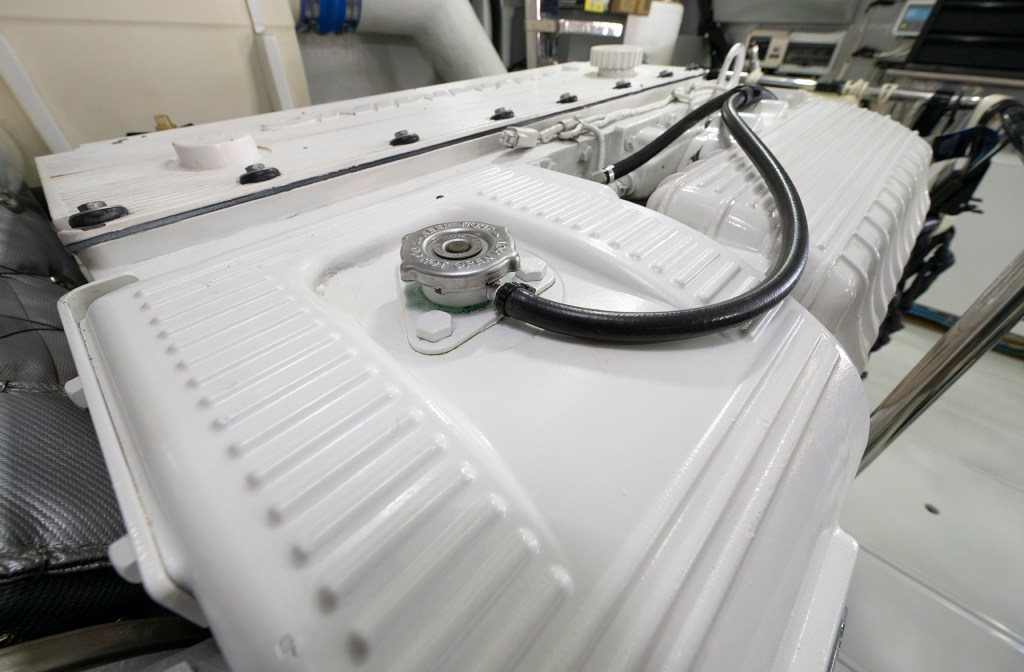
If you give your engine and generators regular love and attention, they won’t let you down.
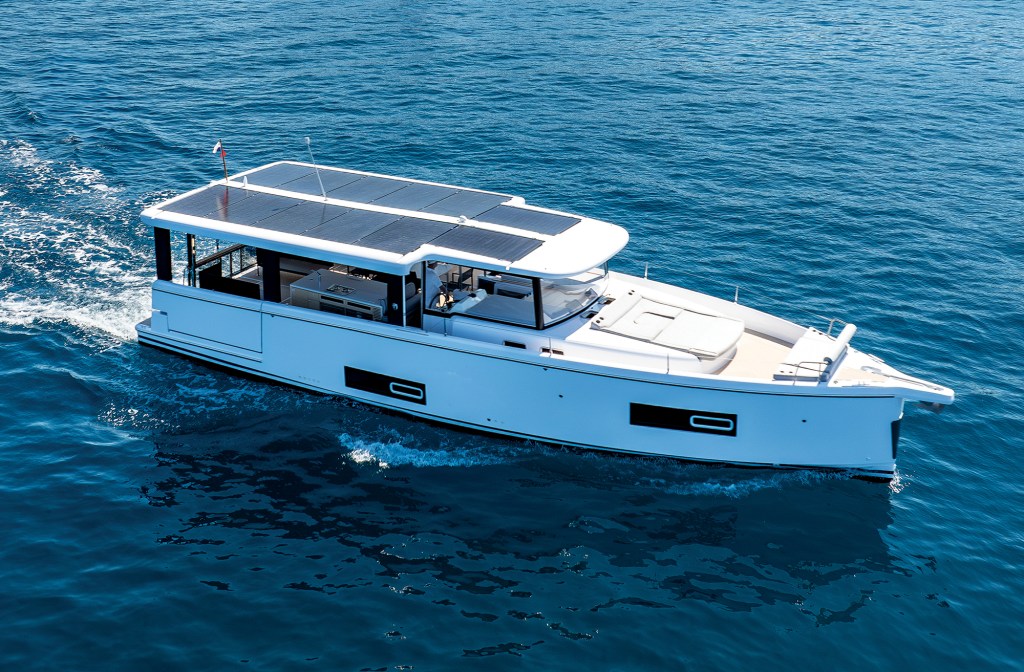
A loft-like open layout and a choice of power-train options let buyers choose their own adventure.
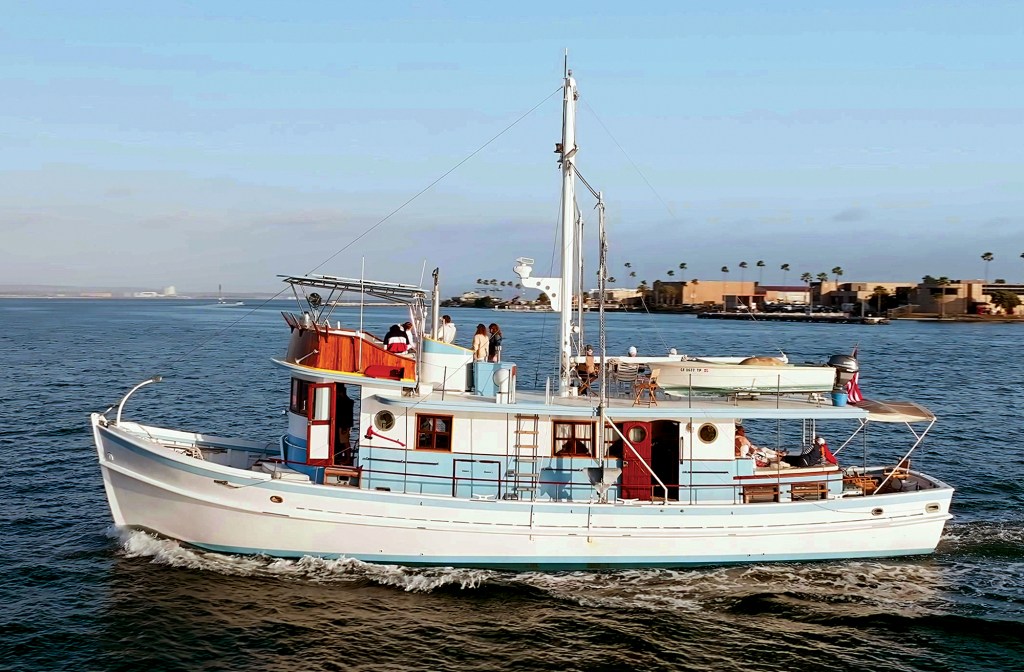
Dickie Walker stands proudly as a blend of rugged seaworthiness and luxury design.
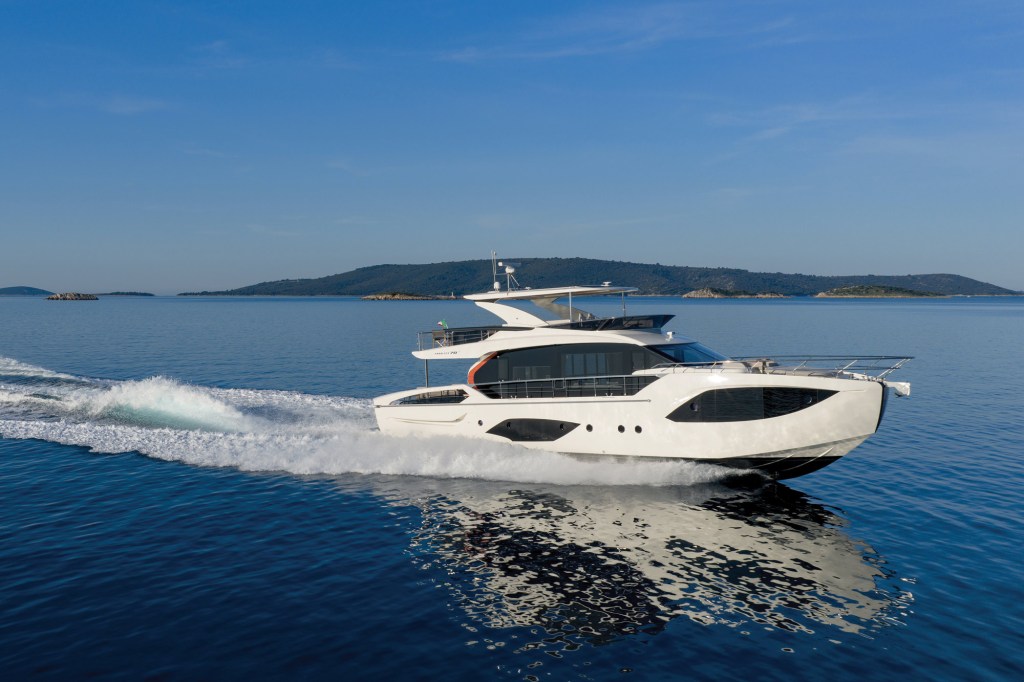
Twin 1,000-hp Volvo Penta D13s and 285 nautical miles of range give the new Absolute 70 Fly the room and speed to roam.
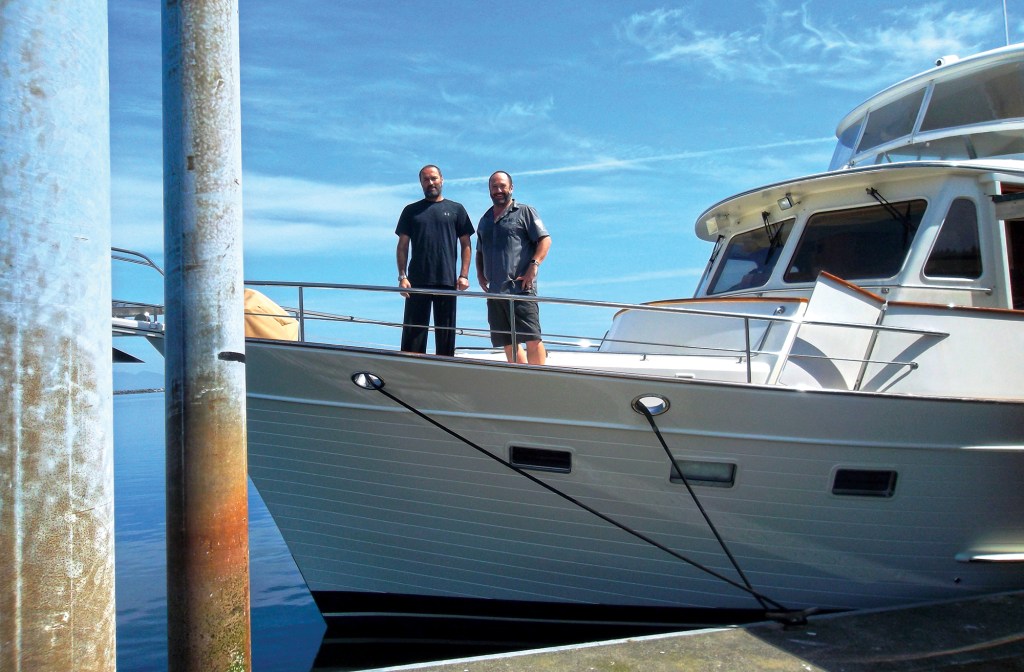
After more than 500,000 nautical miles as yacht delivery captains, Assen and Nikolay Alexandrov are still bringing boats home.