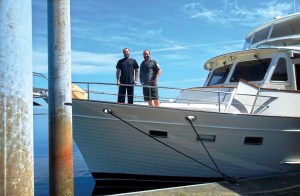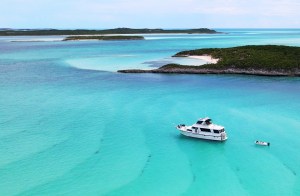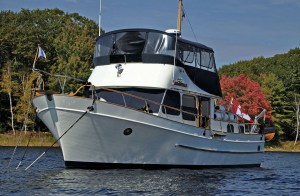


It takes an optimistic nature to rebuild a boat and then embark on a 2,900-mile test run from Hobe Sound, Fla., to New York’s Long Island Sound and back. Signing on for such challenges signals deeper currents at work. On its face, it was the test run of a boat, but of course, it was more.
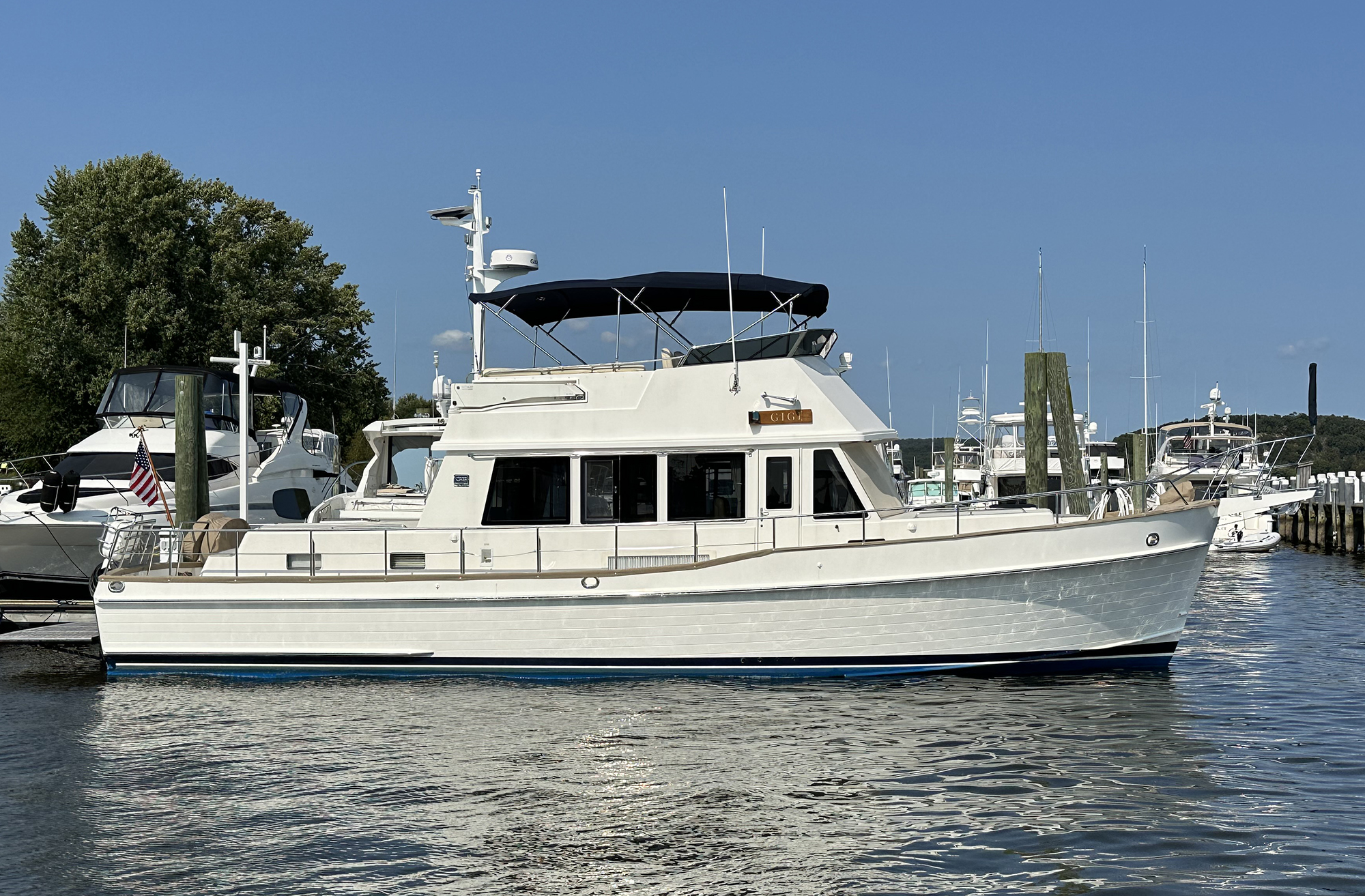
I had replaced or refurbished nearly every operating system (read “Making Her Mine” at passagemaker.com) on my 2009 Grand Banks 47 Classic, GiGi, yet she had only run long enough to qualify for the warranties on her new Cummins 8.3 QSC engines. Less than a week later, at the end of June, the forecast was for two consecutive days under 10 knots. Without hesitation, my wife, Giselle, and I headed out Florida’s St. Lucie Inlet to run the outside in two fast legs north to Fernandina. The heavens continued to cooperate, so we kept running offshore up to Beaufort, N.C., a total of about 700 miles.
The first leg from St. Lucie Inlet to Ponce de Leon Inlet was approximately 135 miles. With conditions flat and mostly sunny, I throttled up to 70 percent load and set the first waypoint 90 miles north, off Cape Canaveral. If a problem arose, I wanted it to happen before we passed the Cummins technicians in Jacksonville.
After about eight hours, with GiGi refueled and tied up in New Smyrna, I opened Giselle’s favorite Sancerre and raised a glass to spotless diapers, fluids still at marked levels, and motors that ran at a perfect 171 degrees for the entire ride.
The boat’s fine performance left us free to think about where to stop, walk, ride bikes and, of course, where to dine. Great food, however simple or complex, needs nothing more than a comfortable seat and clean utensils to be celebrated. On any given night in a place that took me a full day and hundreds of gallons of diesel to reach, dinner is my reward for completing another piece in the assembly of my odyssey. Instead of reading online reviews, I walk the shops, chat with the clerks and find out where they eat. Often, from the perch of a barstool, I sample one course at a time, until I’m finished or disappointed enough to walk somewhere else.
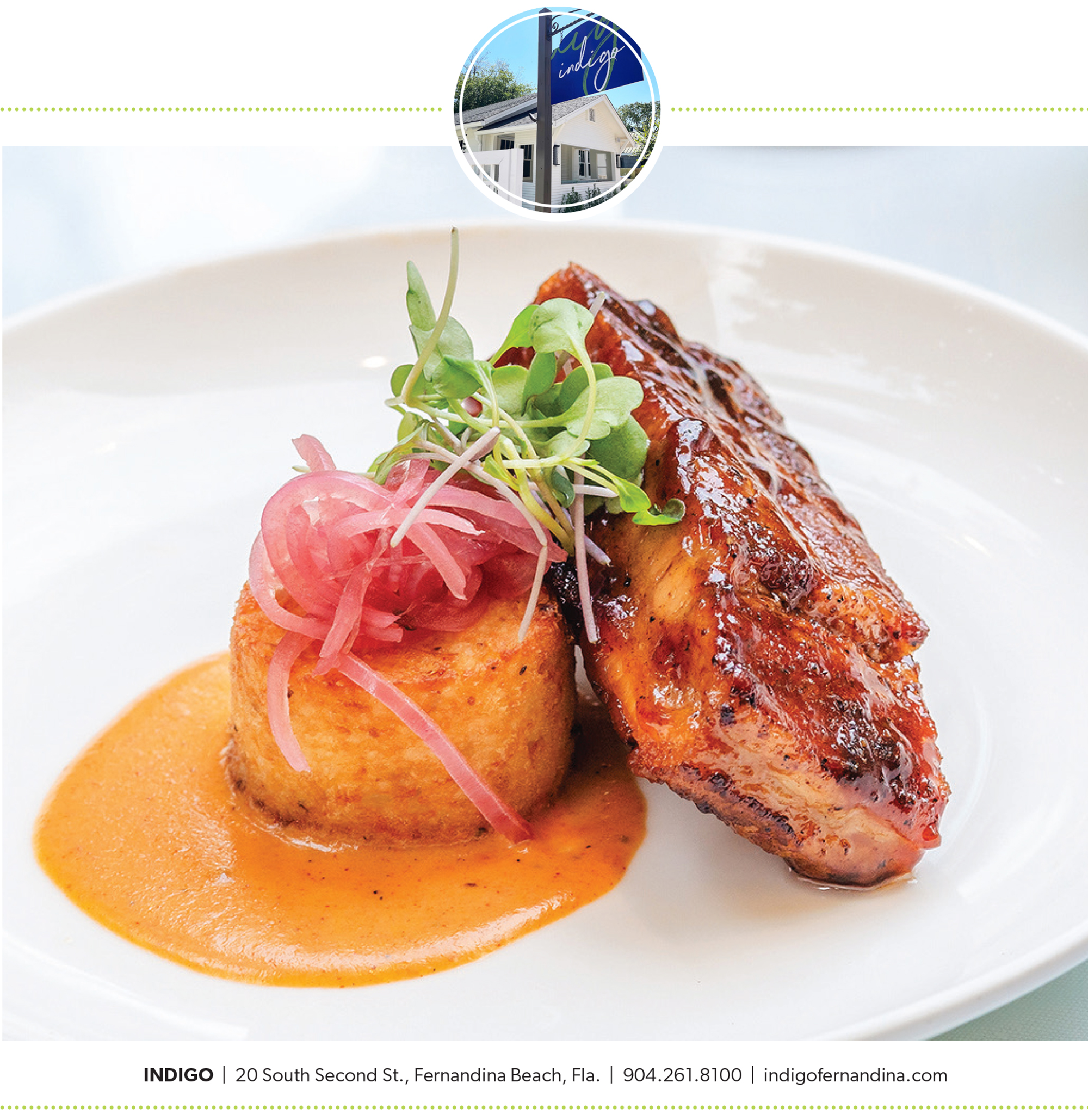
So it was when we arrived at Fernandina Beach, which has managed to retain its Old Florida charm and enough year-round locals to support a respectable culinary scene. The Harbor Marina is only a block away from the center of town. Our wandering was delayed by an afternoon thunderstorm that cleared the streets of tourists and washed the sidewalks of melted ice cream, but we found our way through the highly debated list of best restaurants. Indigo and España both turned out to be solid recommendations.

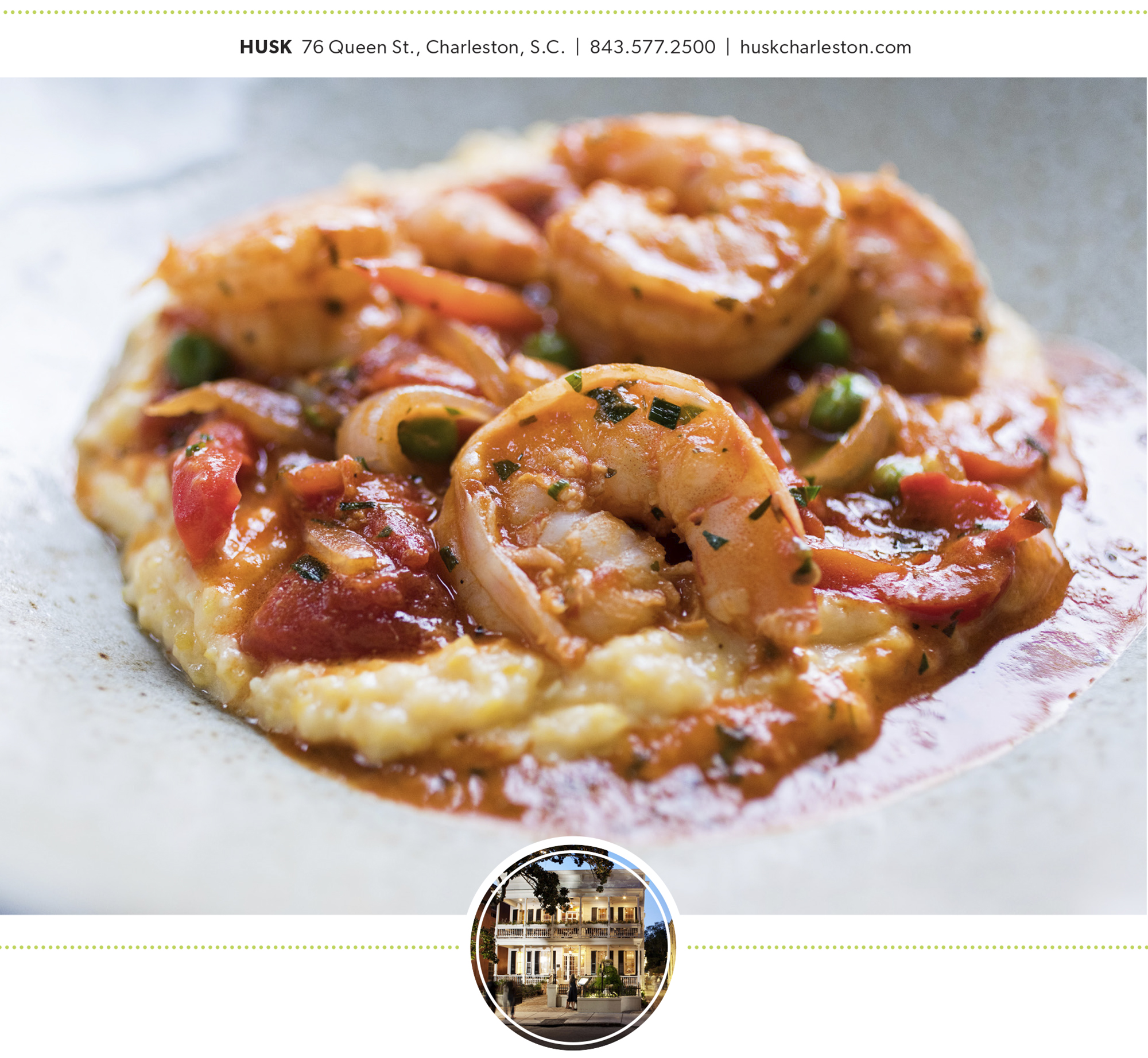
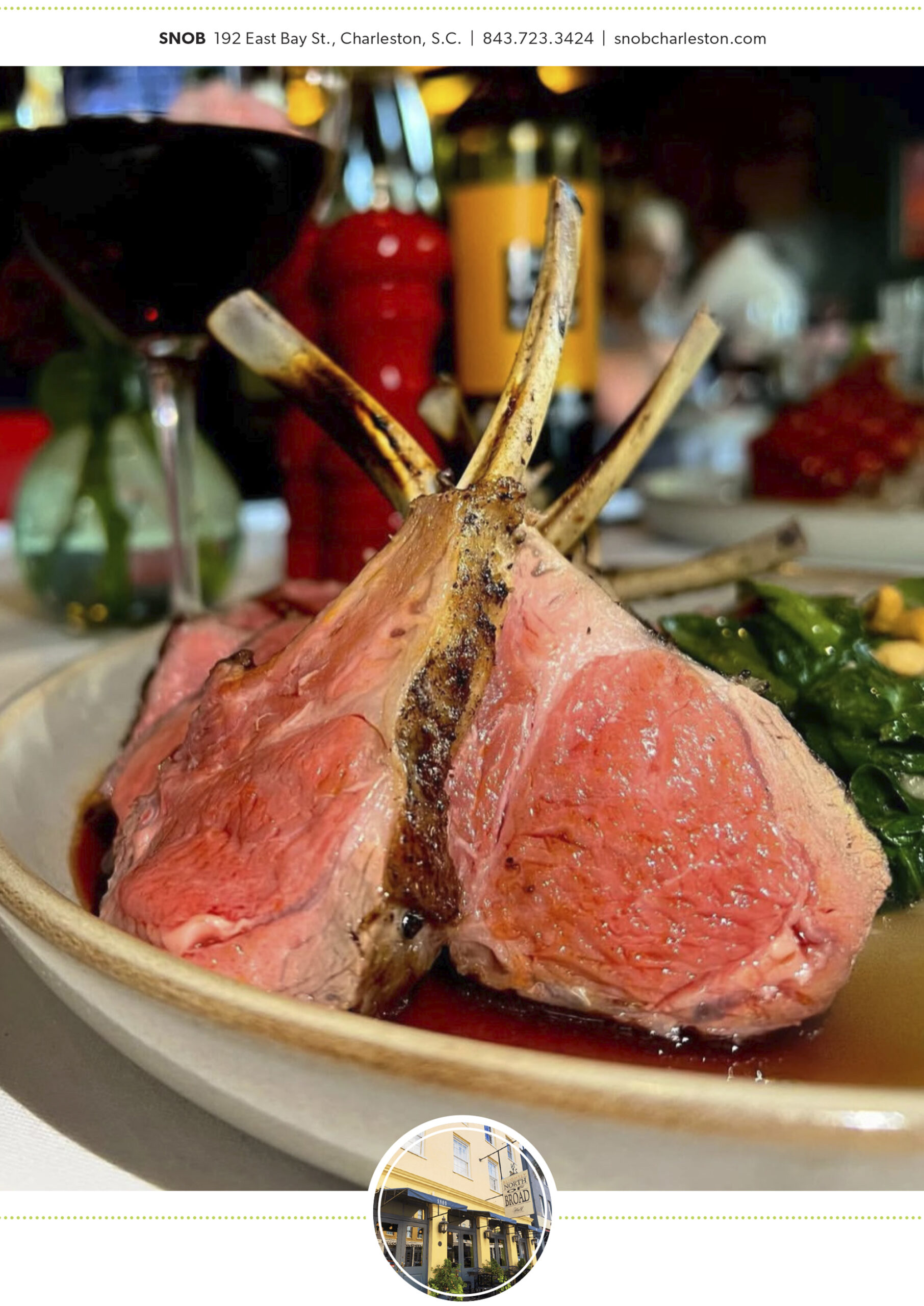
The next stop, Charleston, S.C., is home to the famed eatery Husk. I’m not above using food to lure my children to spend time with me, so I texted my son Jake that Charleston is a food city worth flying to. He jumped on the next plane, and together, we moved through the best of what Charleston offered. We emerged five days later and four pounds heavier and in the unavoidable cloud that comes with too many consecutive high-caloric days of overindulgence. Husk, High Cotton, Slightly North of Broad and FIG are all excellent.
From Charleston, we headed north and into our first mistake. As we ran to Southport, S.C., our screens lost all critical navigation details. I realized that Navionics charts covering the northern half of the Eastern Seaboard had never been loaded. Our Starlink system could have made this easy to fix, but we’d also need to re-register all the different electronics components the previous owner had upgraded. That would require patience, a screwdriver, a stable boat, a new data card and a good phone connection to a patient Garmin tech support person. With none of these things readily available, we navigated into the Southport Channel using an iPad. The next morning, I updated the systems as the crew explored this surprisingly undersung fishing village.
North Carolina’s Southport to Beaufort stretch would be our last ocean run until Cape May, N.J. We cleaned up and headed for Beaufort Grocery, a local favorite where we ate fresh tuna and shared good wine with commercial fishermen. We did a touch-and-go in Belhaven, but in retrospect, should have pushed a longer day and finished in Coinjock. The no-wake zone in Norfolk, Va.’s industrial and military sections slowed us down to a natural stop in Hampton.
In a following sea, there’s a fine line between the gratification of picking up an extra 1.3 knots and the feeling of being about to capsize. Sixteen knots of wind from the southeast in the relatively shallow Chesapeake Bay created an uncomfortable ride that we surfed for the first 40 miles, only to head into sequential squalls out of the west. Blinding needle rain left my face stinging, my clothes drenched and my core shivering the equivalent of a thousand sit-ups.
Visibility was poor as we neared Oxford, Md. From the flybridge, I did my best to navigate the confusing channels without twisting up the props on any of the hundreds of crab traps strung across the bay. A hot shower rejuvenated me, but I was too exhausted to pull bicycles from the lazarette, so we dried off two marina loaners and pedaled Oxford’s charming streets to dinner.
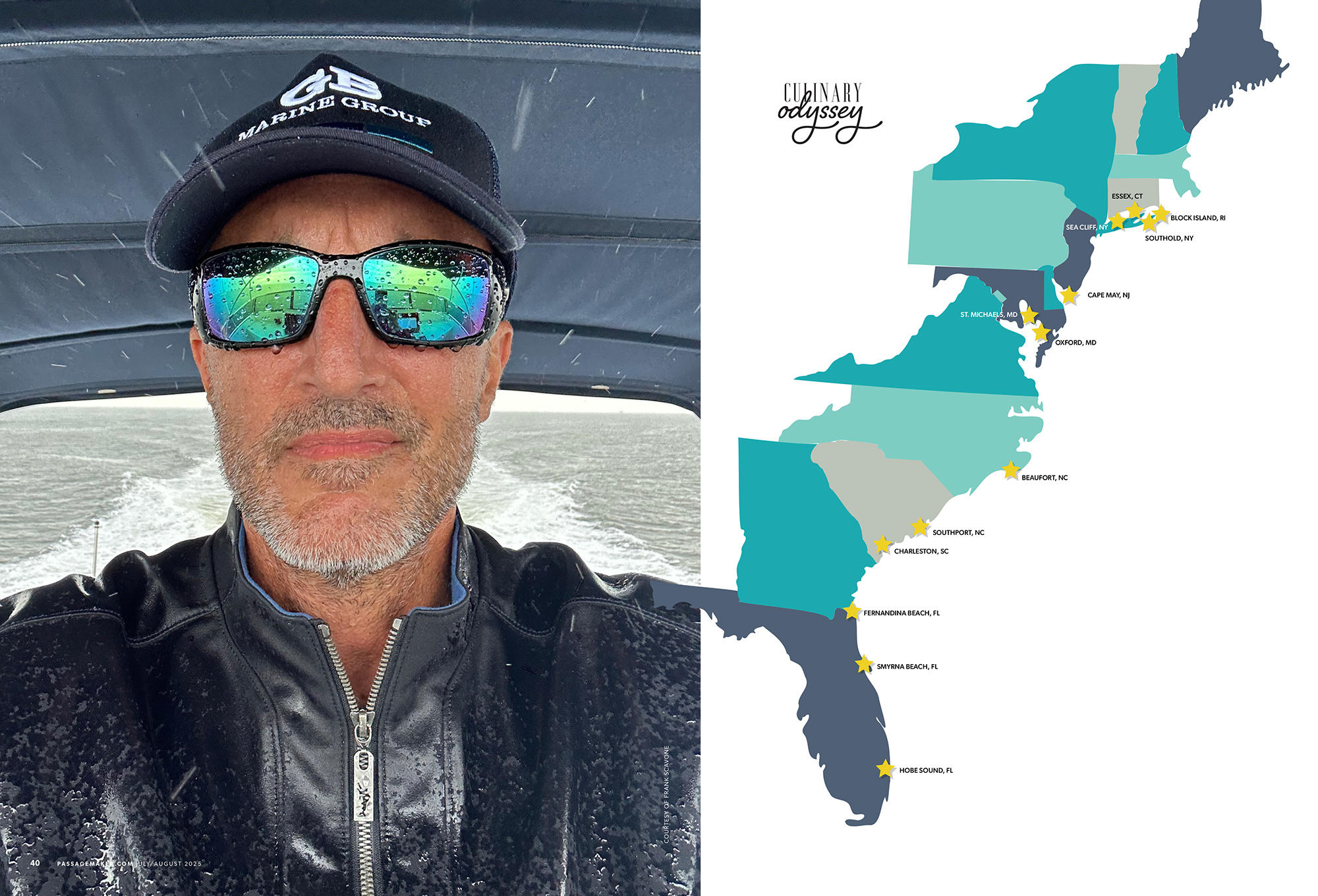
Family and friends were gathering for the arrival of GiGi into our original home port of Sea Cliff, N.Y., so we pushed the next 330 miles from Oxford to Cape May and then did the ocean run from Cape May to Sea Cliff. Eighteen days in total.
While performing the 100-hour service on the new Cummins at Safe Harbor Glen Cove in New York, we used the downtime for a second wave of upgrades, including a flybridge windshield, canvas toe-rail covers and custom bike bags designed to hang from the stern railing, so I no longer needed to lug them out of the lazarette.
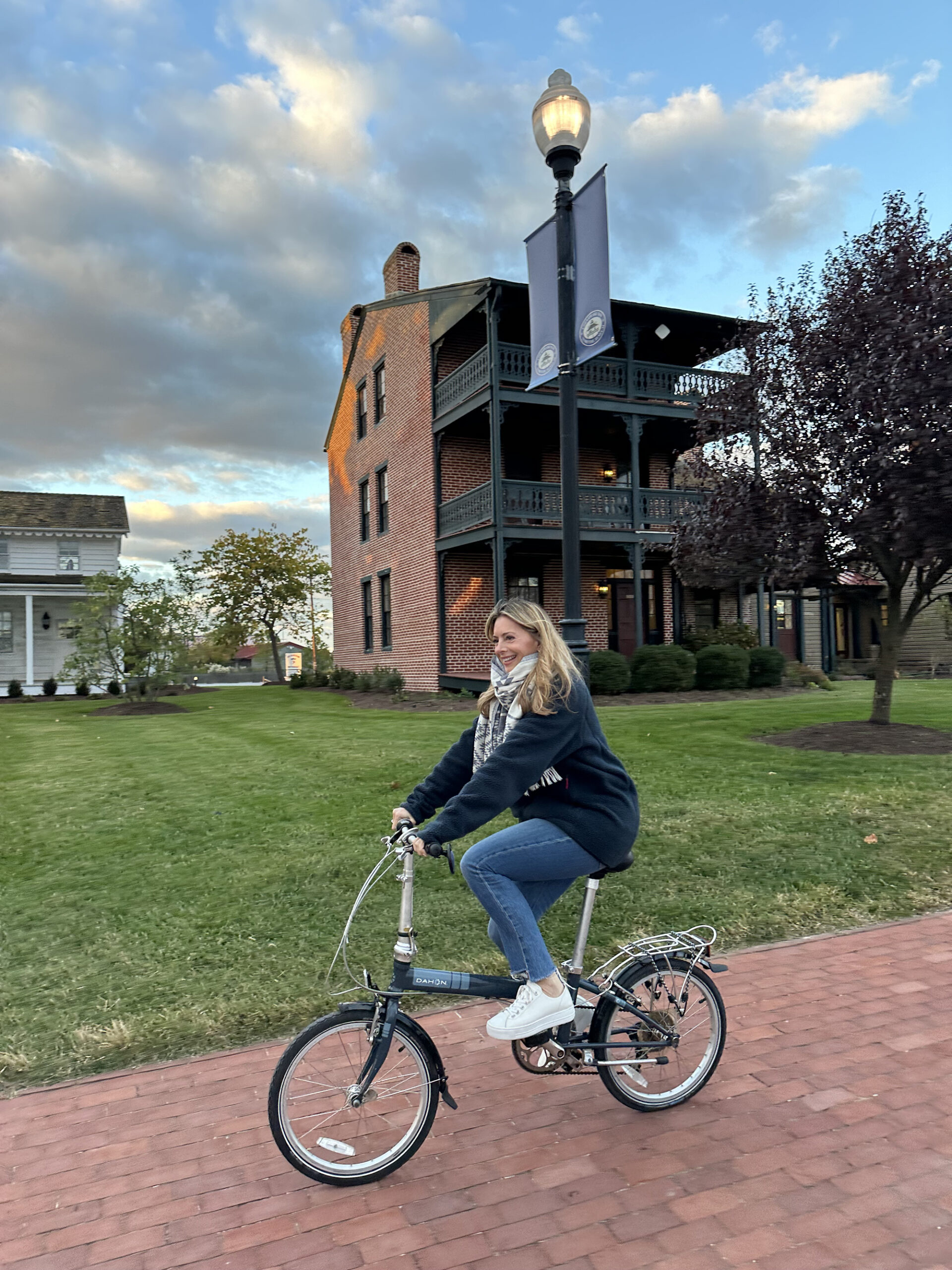
The historic Victorian village of Sea Cliff is an easy day’s run from Long Island’s Greenport or Montauk, as well as Block Island, R.I., and Essex, Conn. Running up New York’s Hudson River during the autumn-foliage season is also magnificent. We made a triangle loop to the North Fork of Long Island, Block Island and back to Sea Cliff. Strong’s Water Club & Marina is accessed from the north side of Long Island and facilitates access to the North Fork towns without circling back into Peconic Bay. Favorite restaurants here include The North Fork Table & Inn in Southold, N.Y., and Restaurant 1879 at The Atlantic Inn on Block Island.
Block Island felt, sadly, overcrowded compared to my childhood memories of riding bicycles for ice cream. As a final excursion before heading back south to finish our test run, we cruised up the Connecticut River to Essex, Conn. Safe Harbor Essex Island has a pontoon ferry that shuttles guests to within a surf rod’s cast of town center. Essex is another childhood boating destination of mine, and it has retained its quiet New England beauty, right down to the desserts ladened in old-fashioned butterscotch.
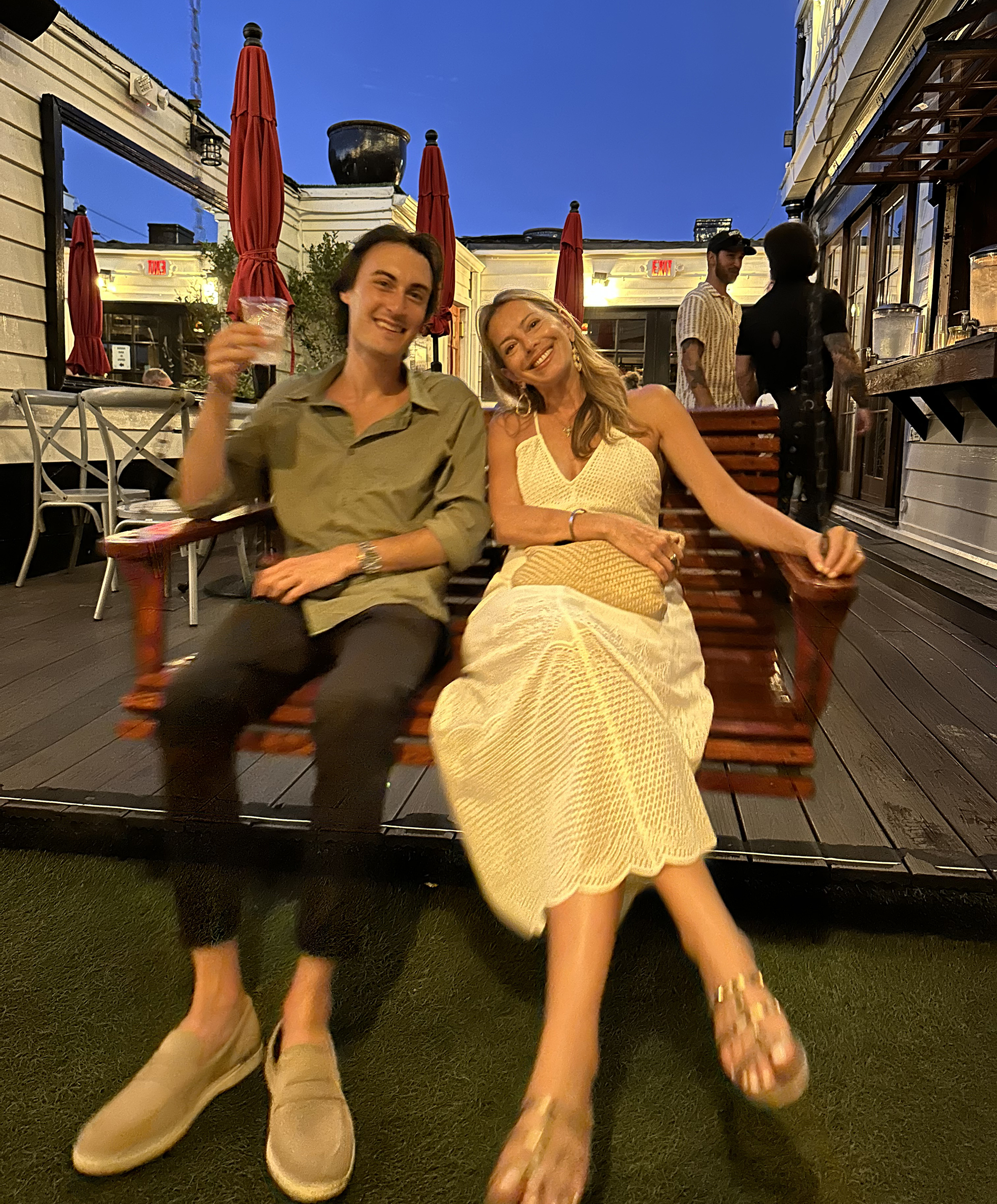
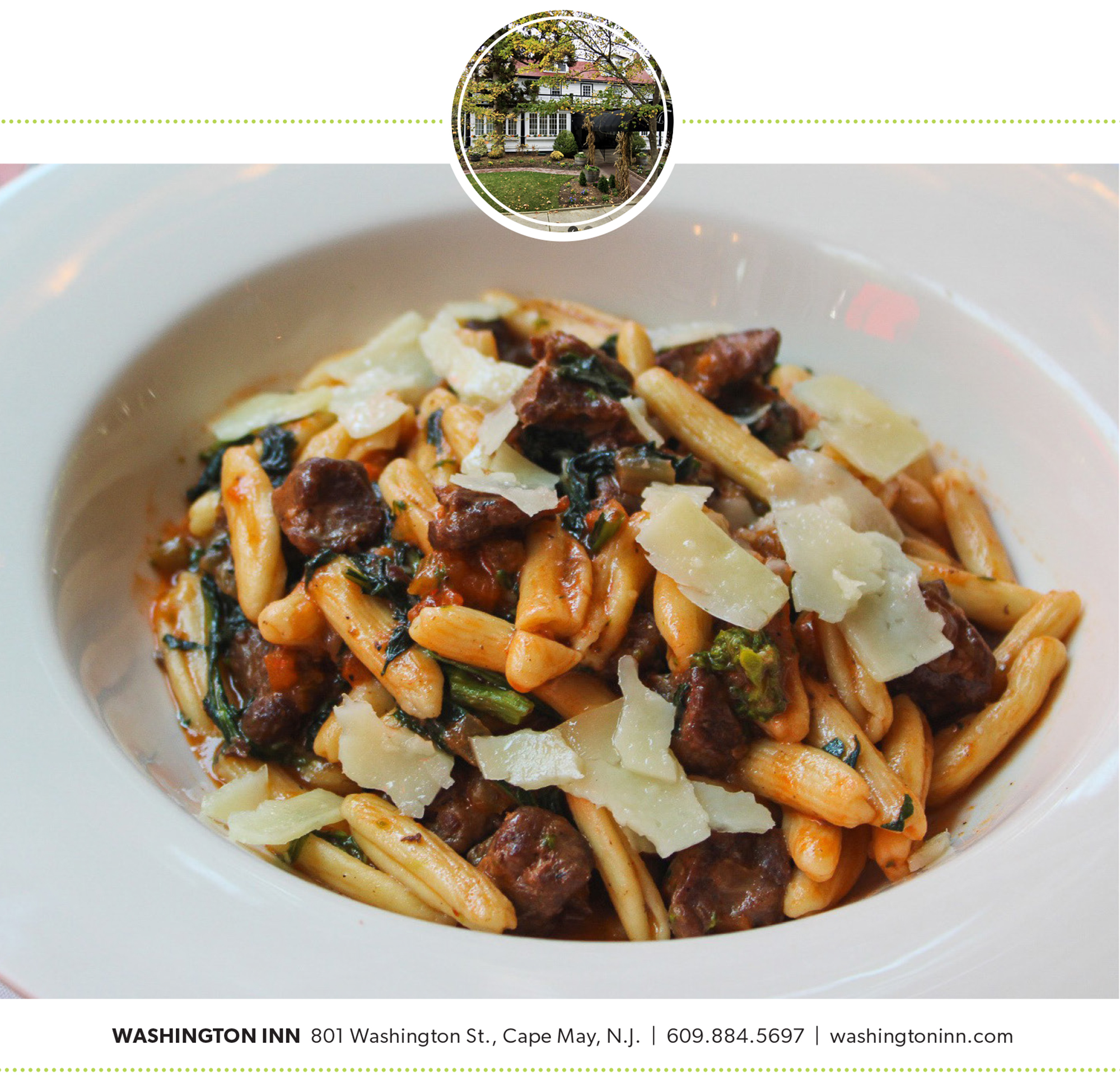
When the cooler morning air signaled that it was time to head home to Florida, we watched the wind patterns of Hurricanes Helen and Milton to strategize a safe trip.The ocean run from Sea Cliff to Cape May promised a manageable 10 knots out of the northwest but delivered 14 knots. We tucked into Utsch’s Marina in Cape May for fuel, warmed up in the tavern room of the Washington Inn & Wine Bar, and recuperated for what would be a brutal next day.
Again, the wind was more than promised as we headed out the Cape May Canal, with 20-knot-plus gusts from the southeast that lifted the tops off the whitecaps and howled over GiGi’s bow. I avoided running aground the shoals that have crept past the chart lines out to Brandywine Shoal Light, and I promised myself a hot shower and a proper glass of scotch 145 miles away in St. Michaels, Md.
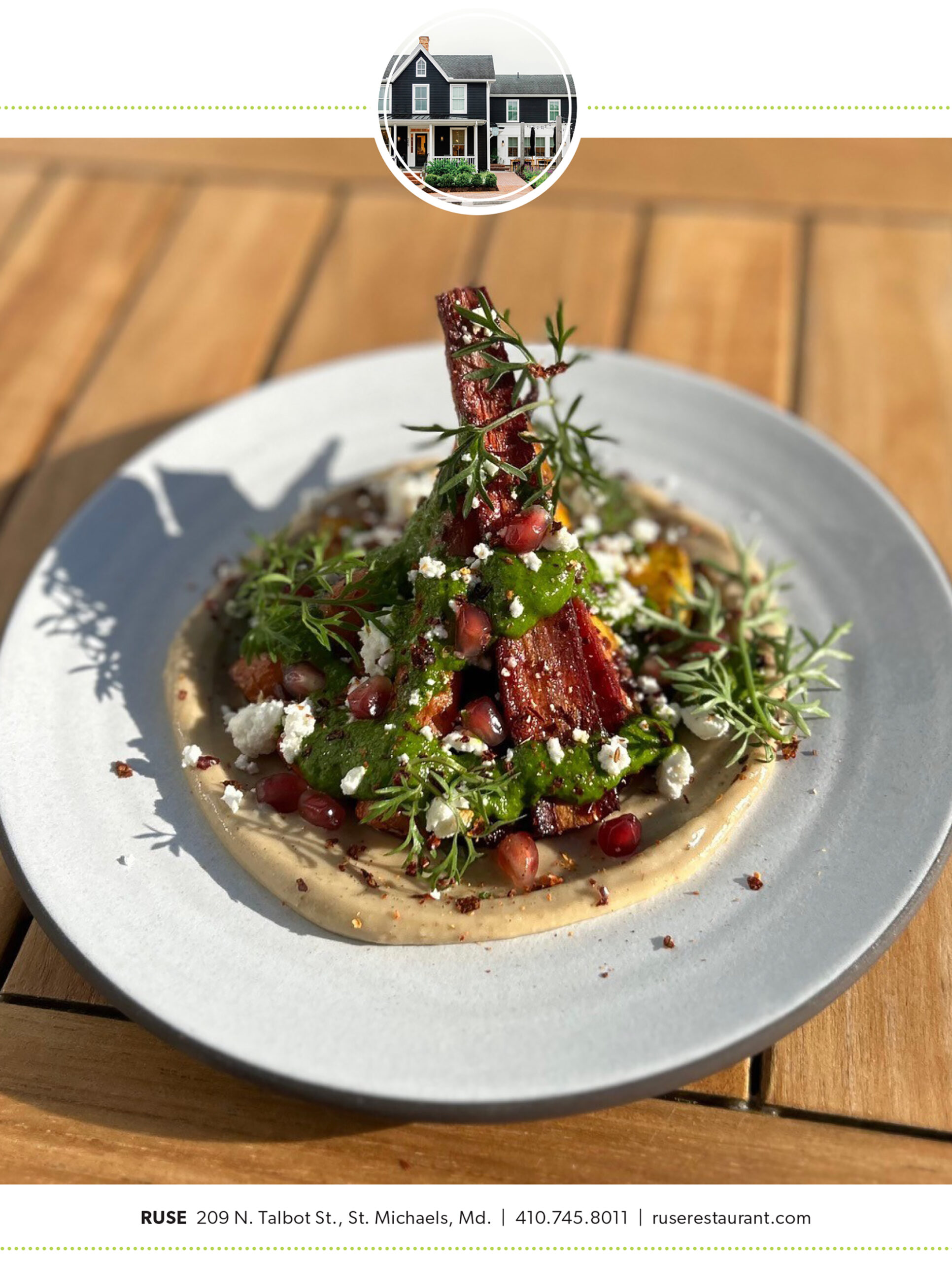
Reverberations of the storms unfolded, and the southbound flow of boats backed up, as docks and moorings had been knocked offline. I hadn’t realized, until the adrenaline subsided, how much the Cape May departure had beaten me up. Fortunately, St. Michaels is a perfect place to recuperate. By day, we walked the shops and museums, and talked in the park over long cups of coffee. But night after night over exceptional dinners at Ruse, we relived the adagio of Eastern Shore interpretations paired with an impressive list of by-the-glass wine.
Big water takes its toll on boats as well as their keepers. While docked at the Chesapeake Bay Maritime Museum, we mysteriously lost the AC and DC voltmeters in the main breaker panel. As we replaced them, we discovered water intrusion and incorrect wiring. Then, while en route to Irvington, we began experiencing small voltage drops on the gauges. I went below to double-check the gauge readings with a handheld meter, and I noticed water accumulation in the bilge. I traced it to a leaking pipe connection on the starboard aftercooler.
My father’s voice echoed: It’s never just one problem that sinks you.
The following day, voltage drops became more dramatic. We began researching where best to address the growing list of problems. On the recommendation of a marine diesel specialist, we took our chances to within 0.3 volts of engine shutdown and pushed two days through to Beaufort and the Cummins-certified team at Town Creek Marina.
Over the course of four days, the team studied the Grand Banks wiring schematics, tested every system and connection, drove hours to source parts, and worked late into a Friday evening to install and test everything. Again, I was humbled and reminded that a seasoned mariner is only as good as the caring and competent friends he has in the ports along the way.
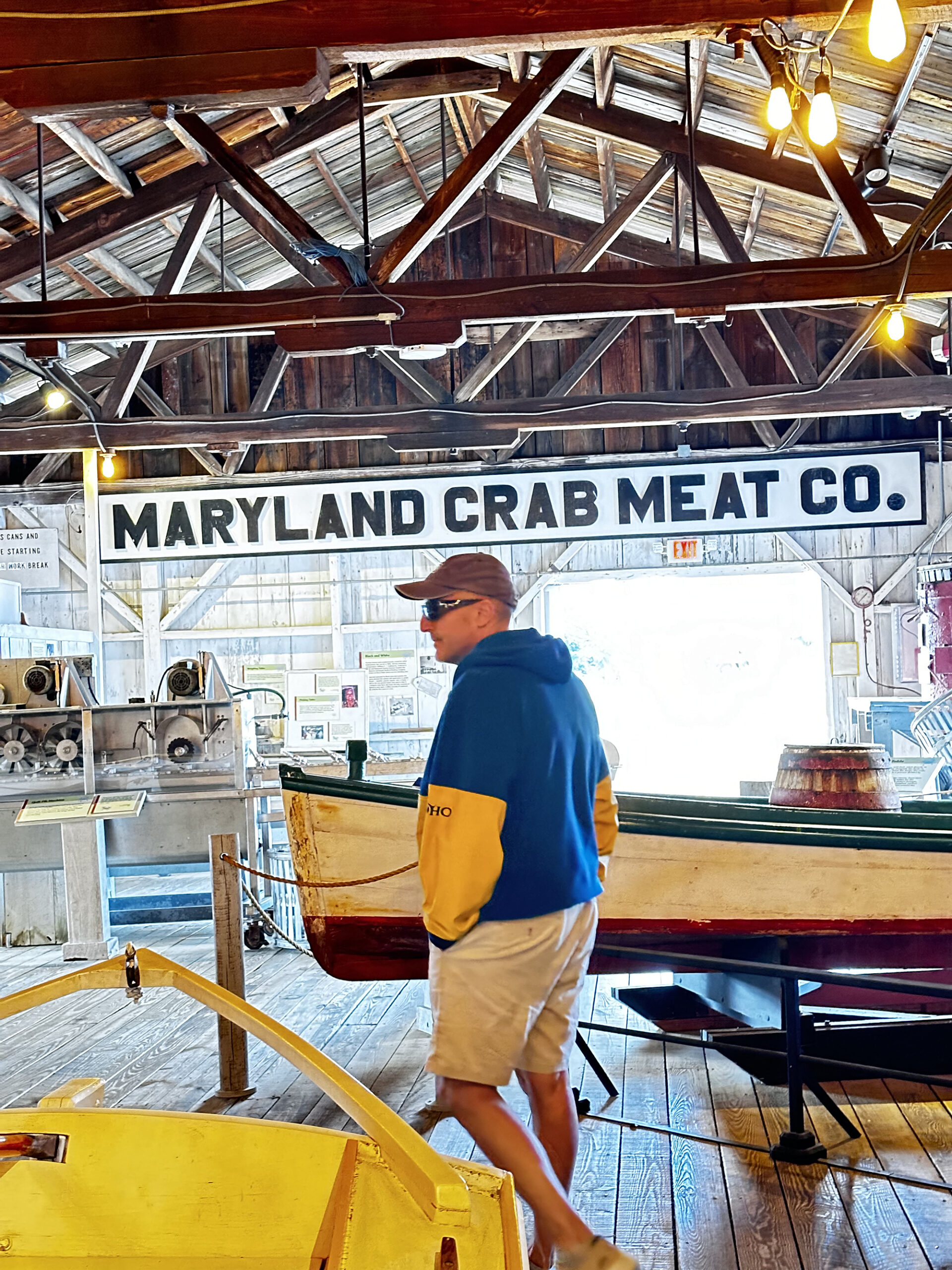
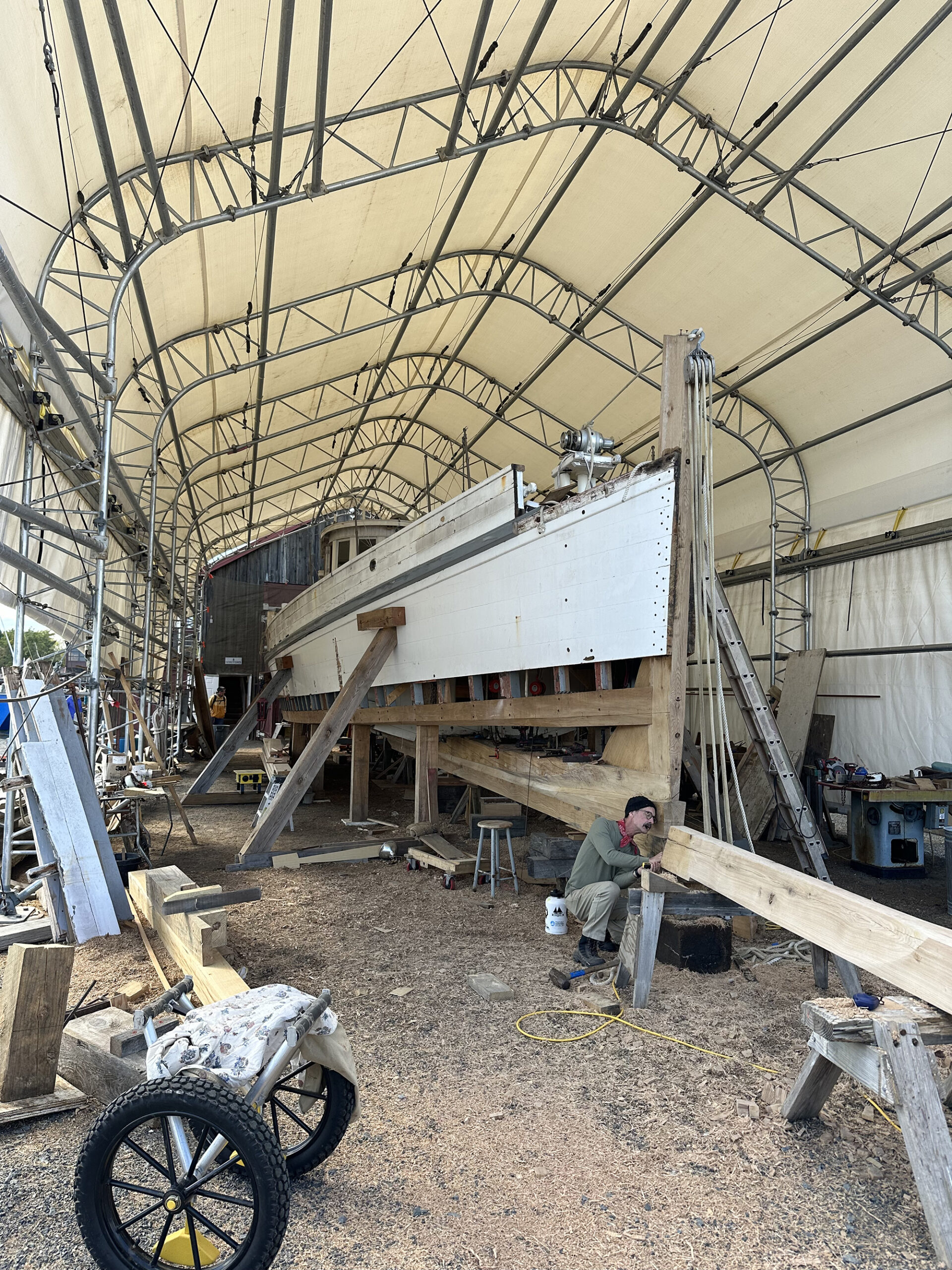
Shipwrights at the Chesapeake Bay Maritime Museum Shipyard give Winnie Estelle a new hull cut from New York state white oak. The boat was built in Crisfield, Md., in 1920 and worked the Chesapeake for over 50 years.
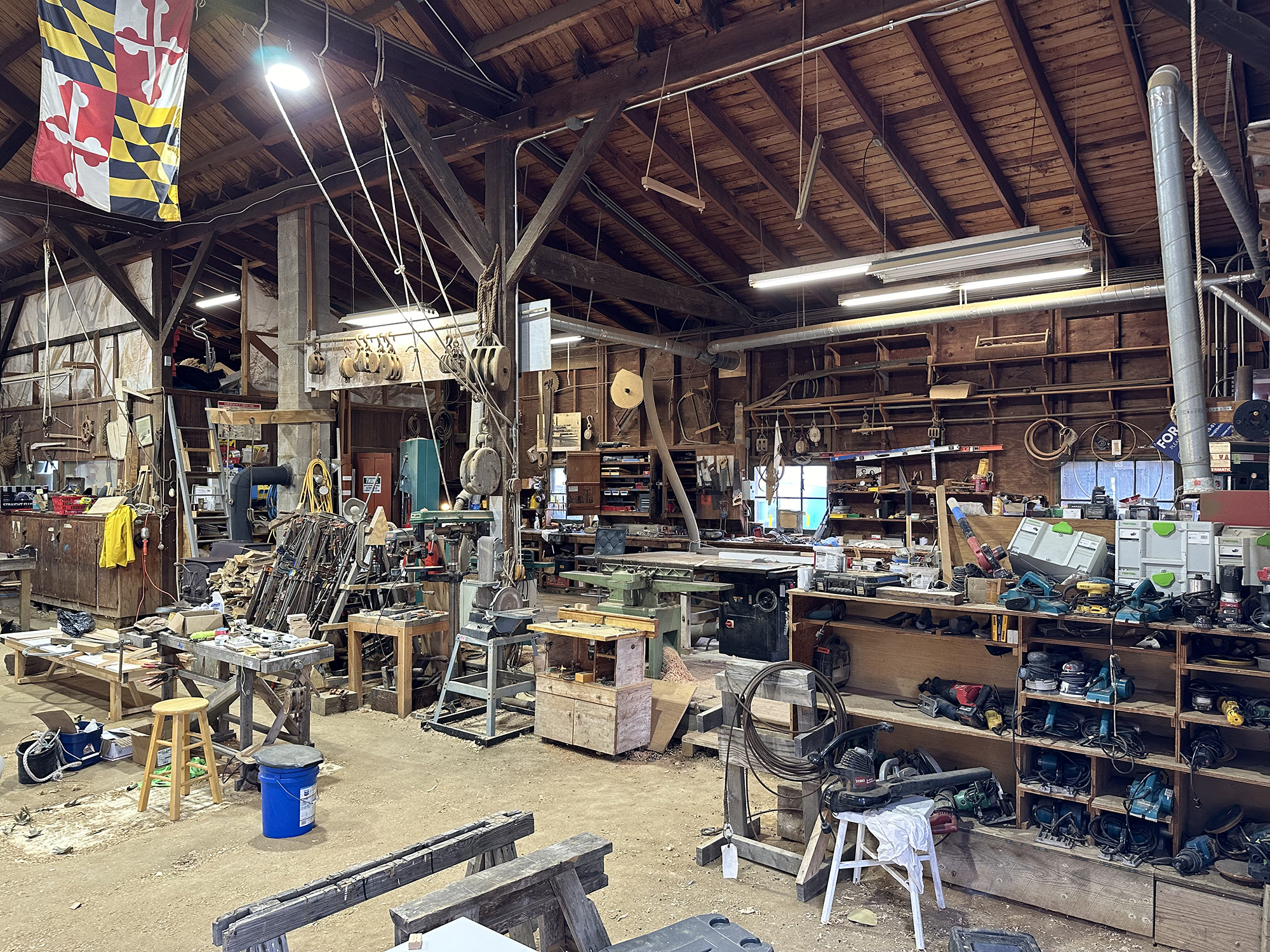
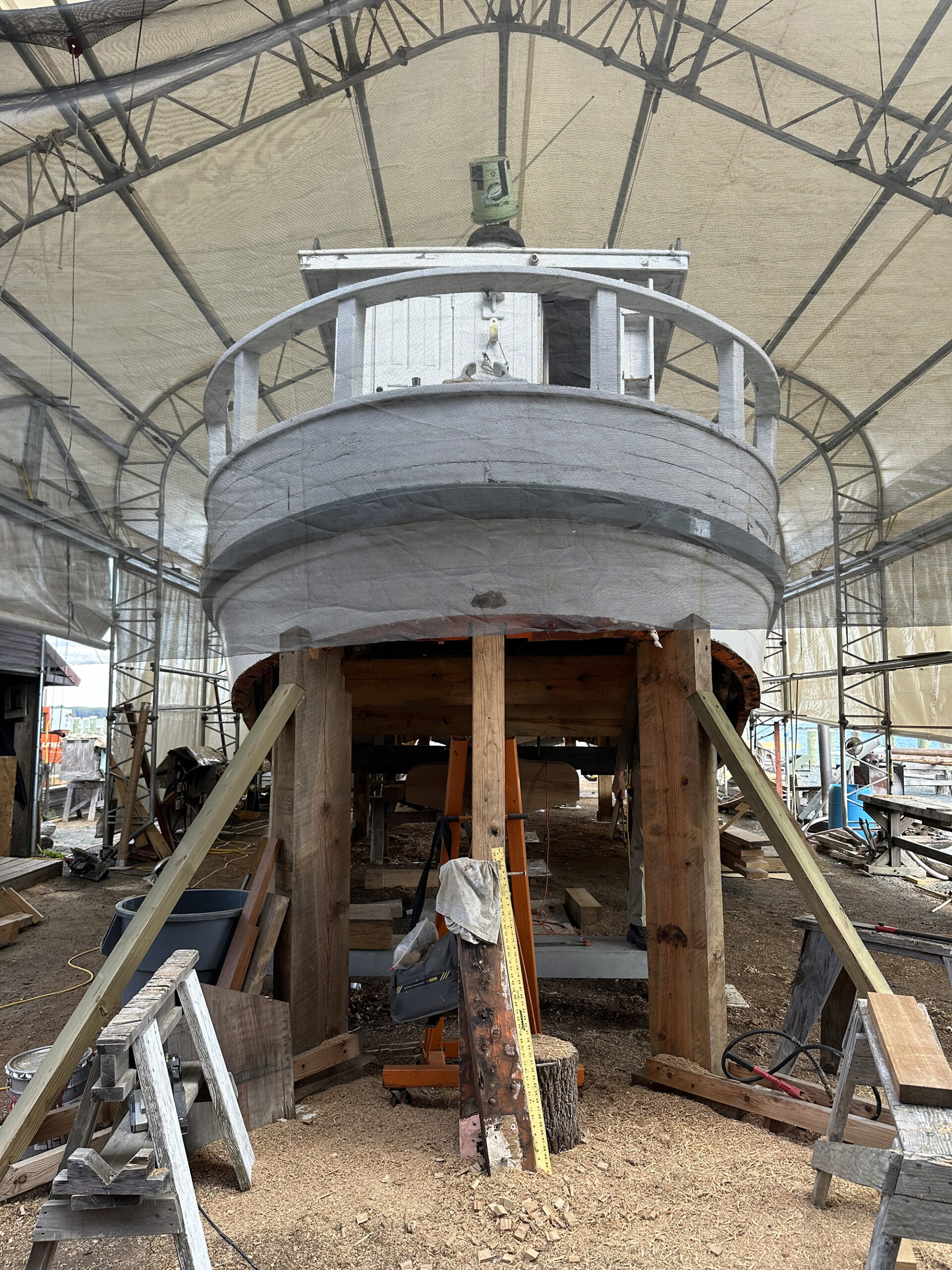
Multiple storms by then had the ocean churning, so our only choice after leaving Beaufort was to continue backtracking south through the Intracoastal Waterway. It was easy to linger in Georgetown, S.C., charmed by the southern kindness and historic architecture decorated for Halloween. By then, my Passagemaker feature had been published and GiGi was getting recognized on the VHF radio, AIS and at the docks. People took pictures of her and asked me for refurbishment advice. I didn’t mind. Giselle couldn’t help but smile.
In the shadows of champion yachts at the Safe Harbor Charleston City Mega Dock, we waited on wind that had no intention of sitting down. Giselle flew home to open her shop for the winter season. Jake flew back down to help me as far as Fernandina Beach. From there, and perhaps by subconscious design, I was again a solo mariner running the remaining 270 miles on the ICW.
I had only the engines to converse with, but I resolved to accept that my projects and paths are the way I know how to keep moving forward. This journey drew to a satisfying close, and I daydreamed of getting back home, tucking in for the quiet of winter, and retiring to my woodshop with a good cup of coffee.
Our lives were bigger, GiGi ran well and we were only just getting started.
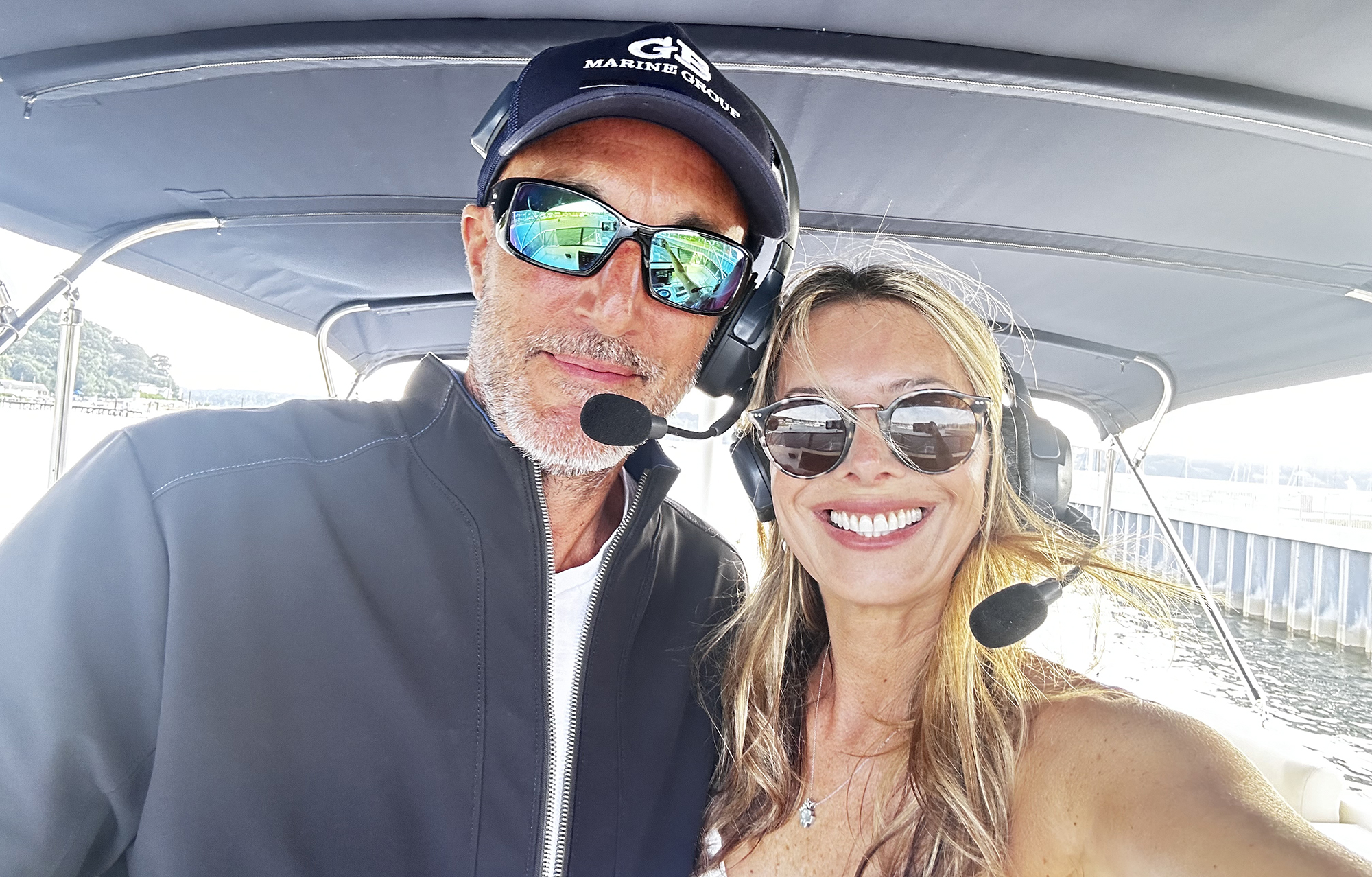
This article originally appeared in the July/August 2025 issue of Passagemaker magazine.