

There is a classic Smothers Brothers comedy routine where Tommy (the dim one) tells his brother, Dick, about falling into a 30-foot vat of chocolate. Dick questions why Tommy yelled, “Fire!” The answer is, of course, “No one would come if I yelled, ‘Chocolate!’”
It seems to me that political correctness, whatever the heck that means, has smacked the yachting world again. It last came around a few years ago, when an editor said I could no longer use the term “master suite” when referring to the largest stateroom on a boat. I wondered if I could call it the “mistress suite.” And a few online searches revealed that the term “master bedroom” originated in the Sears & Roebuck catalogs of the 1920s, to describe the largest bedroom in a kit home.
This time, the political correctness is coming from the Royal Yachting Association, which turned 150 this year. It has declared that the term “man overboard” is offensive to women.
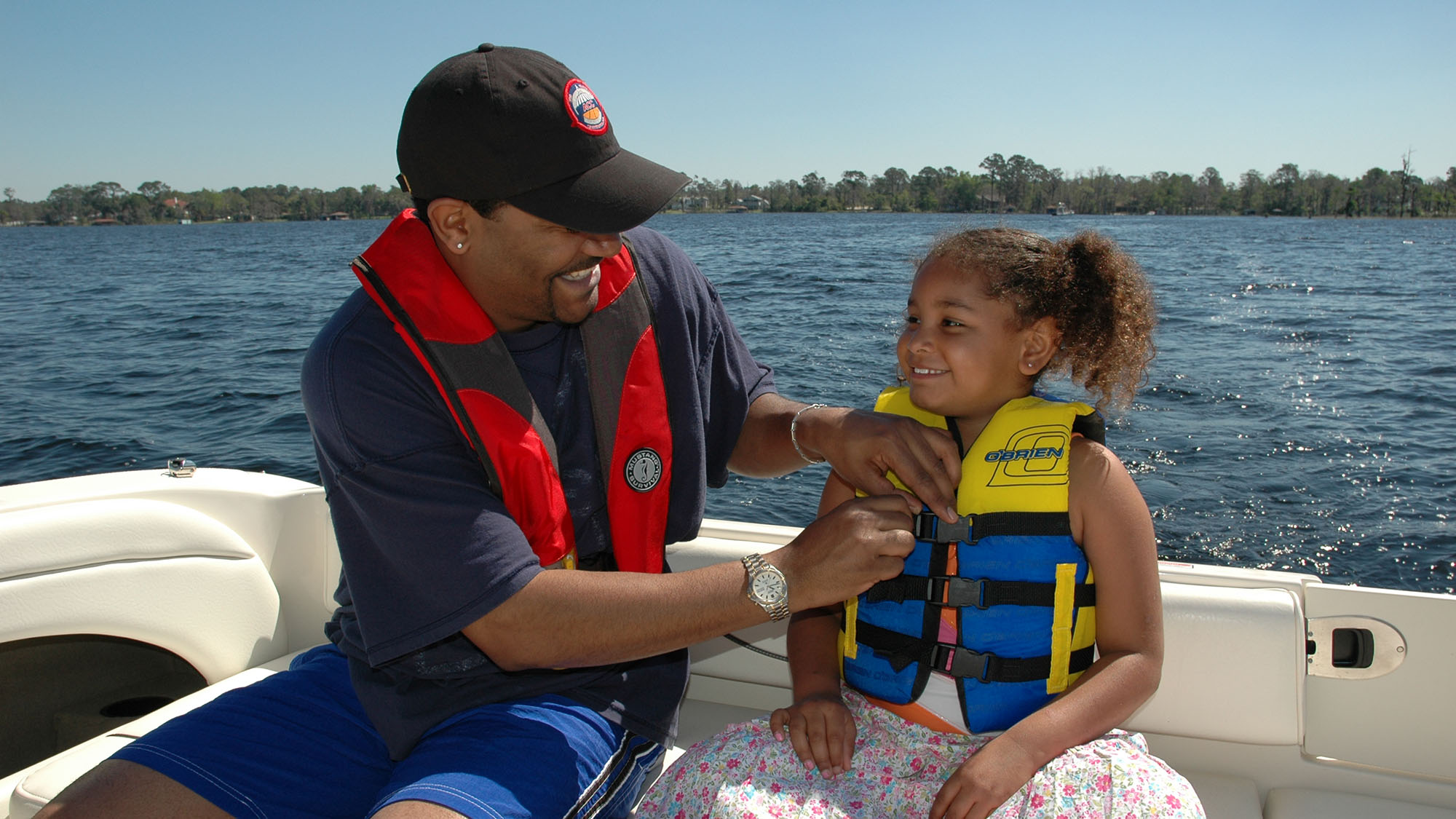
Now, I’ve been in more than a few such catastrophes (too many my own), and I can attest that “man overboard” is a cry that electrifies everyone aboard. Even as I write this, the hairs on my neck go up.
The RYA has declared the proper language should be “person overboard,” to honor and value women in the sport of boating. This being Jolly Old England, more than a few outspoken British skippers have said, “Balderdash!” That translates here in the colonies to, “Are you kiddin’ me?”
“Man overboard” has been ingrained in seafaring since the first sailors tiptoed offshore into waters that were probably labeled on charts as “Here Be Dragons.” And a man-overboard drill has been an essential part of a seamanship briefing on every yacht.
I doubt that any woman who found herself paddling frantically as the stern of the yacht disappeared over a swell would be incensed that someone had dared to shout “man overboard.” From personal experience, I can absolutely guarantee you that thought is the furthest from anyone’s mind. More often, your mind is occupied with getting out of the damn foul-weather jacket that is dragging you down.
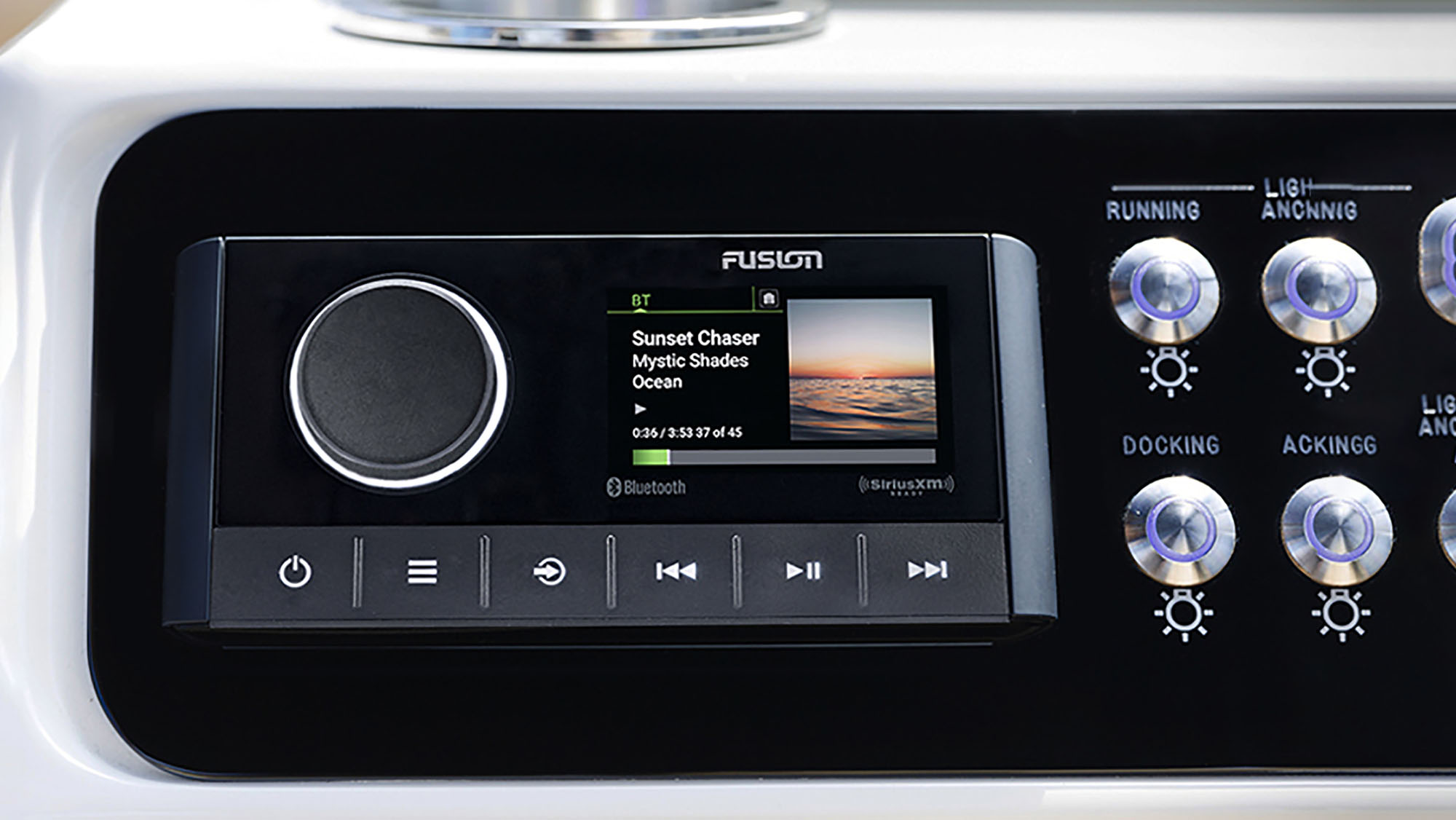
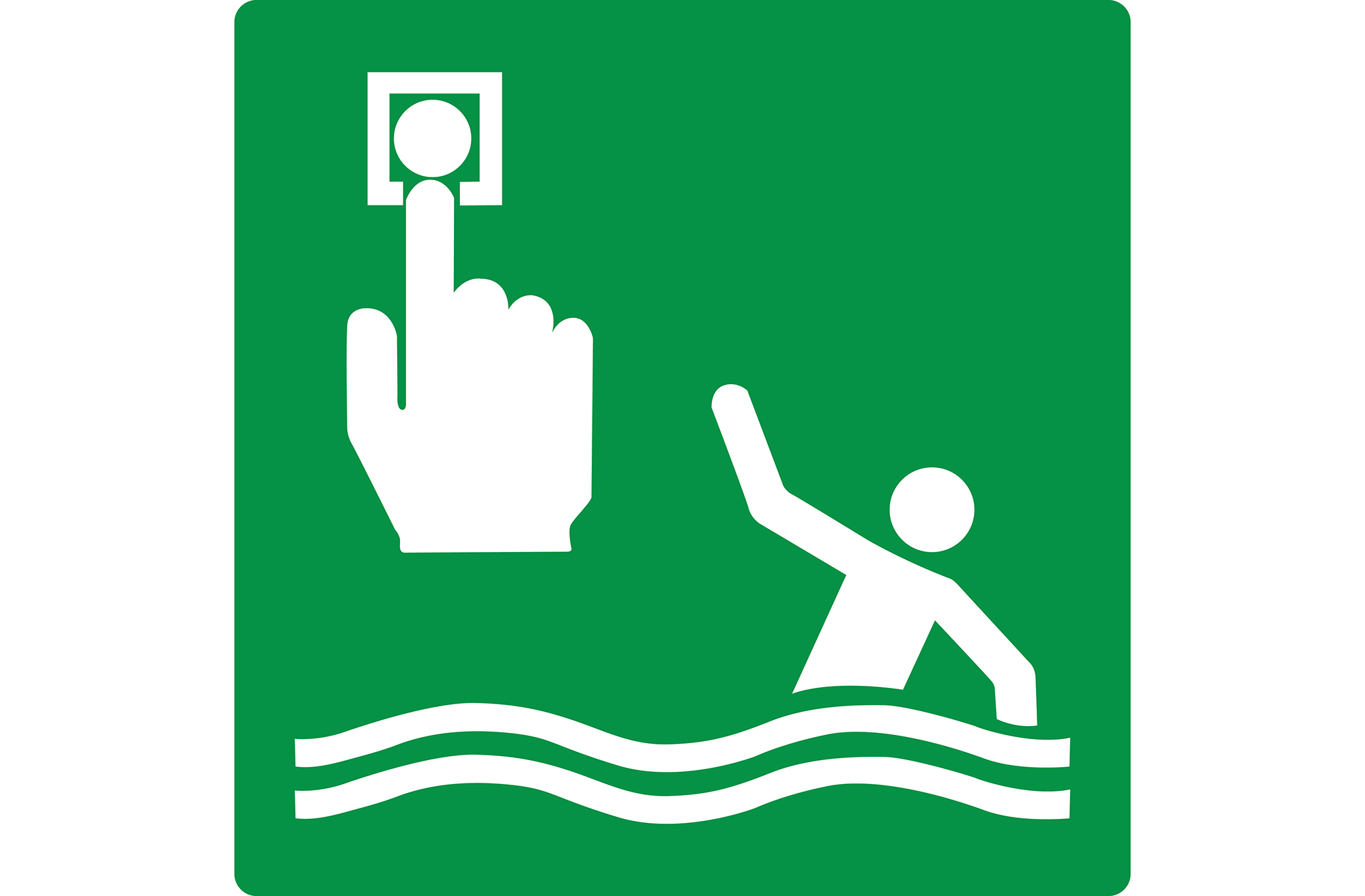
This also makes me wonder how the marine electronics manufacturers are going to respond. On nearly every VHF radio and GPS receiver sold today, you will find a button (often in bright red) labeled “MOB.” If someone goes overboard, punching this button sets the position as a waypoint, allowing the yacht to retrace its course to the point where the person went into the drink.
Will they change the button to “POB” or to “PIW” (person in water)? Perhaps the button should be labeled “uh-oh” or “oh s**t.” Then we’ll all recognize it easily.
So, what is next for the language of yachting? Should we change seamanship to “sea-person-ship”? The Royal Yachting Association has the answer: We must write “boat handling” or “deck work” or “maintenance.” See if you can work those replacement words into a sentence that makes sense.
We must also remember never to use the word “sportsmanship” because, in the words of the RYA, it “might not be comfortable for a person who recognizes themselves to be a woman or non-binary.” They suggest “sporting behaviour,” which seems straight from an English gentleman’s club.
So many terms in boating are sexist. Frankly, who cares? A breast line is the dock line that goes straight ashore to hold a boat alongside a dock. So many possible names come to mind, unfortunately none suitable to publish here.
I sailed more than 2,000 miles with a New Zealander who never, ever used the proper name for a line. His commands were, “Hey, tighten up that string over there,” accompanied by pointing. That may be how we’ll refer to something that is located “broad on the port bow.” I think the politically correct version would be to say “over there” and just point.
Again, being of a certain age, I’m reminded of an old Hollywood Squares quiz show when the witty and sarcastic Paul Lynde was asked, “If you call out ‘man overboard,’ what should you call out if a woman falls overboard?”
Lynde’s response: “Full speed ahead!”
I leave you to wallow in political incorrectness.
This article originally appeared in the January/February 2026 issue of Passagemaker magazine.