

It was just after 5 a.m. on a frigid January morning. I exited the small hotel, started up my rental car and headed down the rural road to meet a photographer at the dock for a 5:30 departure. The forecast called for increasing winds as the day wore on, but I concluded that we’d be tied up by the time the weather turned.
On my way into town the previous afternoon, I had spied a diner that I was counting on for coffee and perhaps a pastry to hold me over. As I approached, I slowed nearly to a stop on the road—there wasn’t a car in sight—and then hit the gas, passing the darkened building and empty parking lot. I hoped that my companions had better foresight than I did and would bring me a cup of joe.
About 10 minutes out from my destination on an ink-black, single-lane road, the rearview mirror lit up with the pulsing lights of a police cruiser. I immediately put on my right turn signal and came to a stop just off the median.
The officer must have seen me stop in front of the diner a few miles back, noticed the out-of-state plates and perhaps thought I was casing the joint, I thought as I took out my license.
I was way off. After a clipped greeting and an exchange of identification (thankfully, I didn’t toss the rental agreement like I had done so many times before), the officer asked where I was headed at this early hour. He then explained why my plans would be dashed.
He said I had been speeding 15 miles over the limit, and that in his county, that is considered reckless driving,
a charge that triggers a required court appearance. But as I was from out of state, I could hire a local lawyer who would, for a fee, get the charge reduced to speeding. This officer also happened to have a few business cards for legal representation, if I wanted them.
Sitting in the back of the police cruiser, I knew enough to take the cards politely, thank the officer and not inquire about the obvious speed trap. After nearly an hour, I was back at the wheel of my rental car watching the patrol car motor into the distance.
When I finally got to the dock, the boat was tied up and the photographer was sitting in his big German sedan, watching the wind turn the flags into mincemeat. It was obvious that our trip was postponed because of the conditions.
He waved me over. A former New Yorker who lived in a cold-water flat in SoHo in the late 1960s, he had made a lucrative living photographing music and film stars before relocating to a rural enclave near where we were sitting. I told him what happened with the speed trap, but he just tsk-tsked my heavy foot and my ignorance of how things worked there. I was too tired to debate. We made plans to meet the following day.
Twenty-four hours later, I was in the dark cockpit with diesels growling below my feet, waiting for the photographer who was nearly 30 minutes late. There was no answer on his mobile phone.
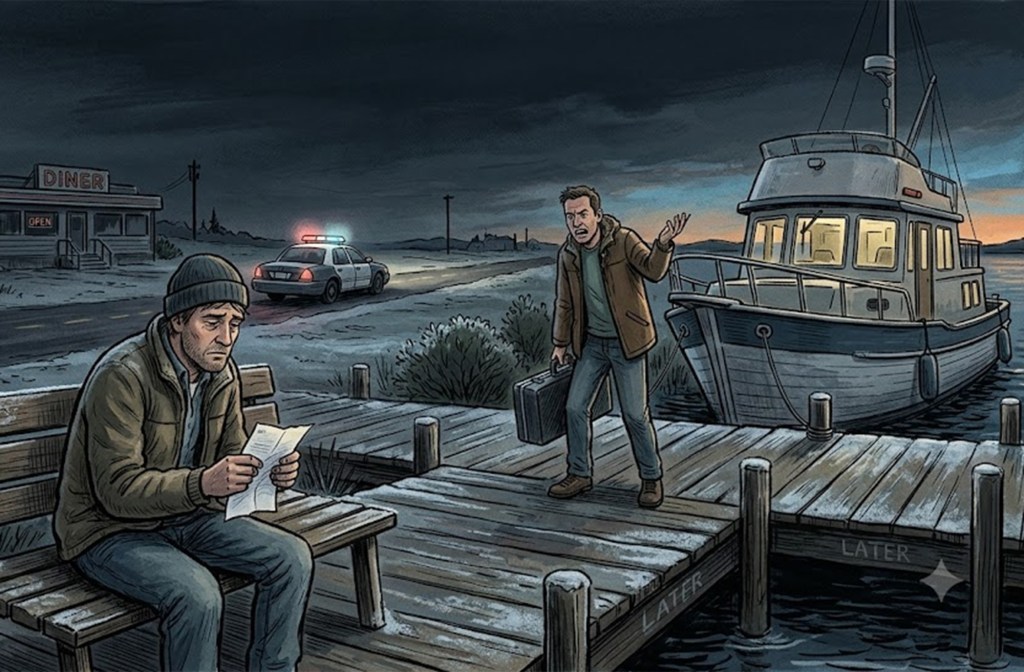
I stepped off the boat to retrieve a watch cap, and I saw headlights in the distance. Seconds later, I heard the roar of a V-8 being redlined. The photographer blasted into the lot, haphazardly parked the car and was soon standing next to me with a Pelican case full of equipment.
Before I could ask, he pulled a traffic summons from his back pocket and, with a string of expletives that would make Quentin Tarantino proud, condemned the local officers.
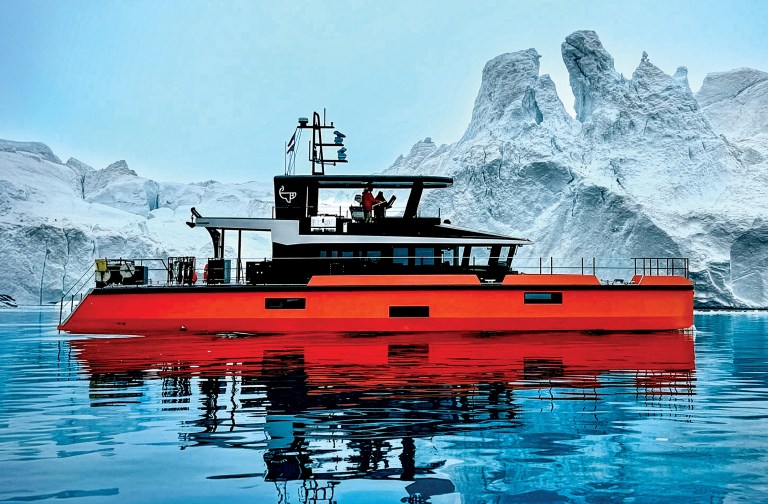
I grabbed his equipment, and we boarded the boat. By the time his anger cooled down, we were on the brine and headed toward the rising sun. I figured the boat ride was our consolation.
This article originally appeared in the May/June 2026 issue of Passagemaker magazine.