We are steaming at 10 knots under clear skies on the Mediterranean Sea, between Sicily and Sardinia, bound for the Adriatic on our way to Kotor, Montenegro. Radio chatter has ceased. All is quiet, save the engines well below my feet. In the distance, a few fishing boats chase after tuna.
I’m settled in a comfortable chair on watch aboard Relentless, anticipating our approach to the Strait of Messina, the narrow passage Odysseus took. I’ve been reading his story since I was little boy, and now here I am, at the place where he had to make the hard choice between losing his crew or his ship.
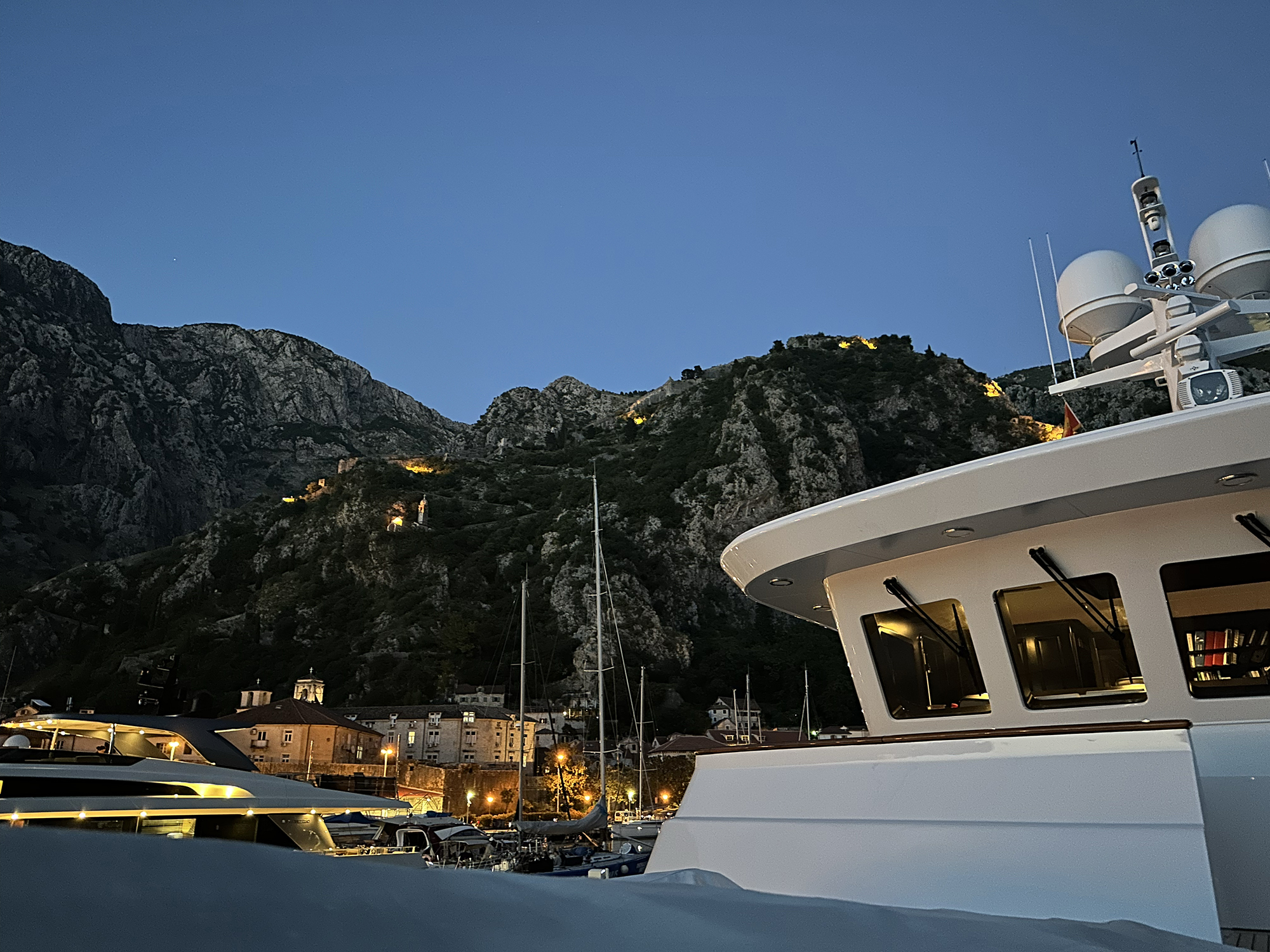
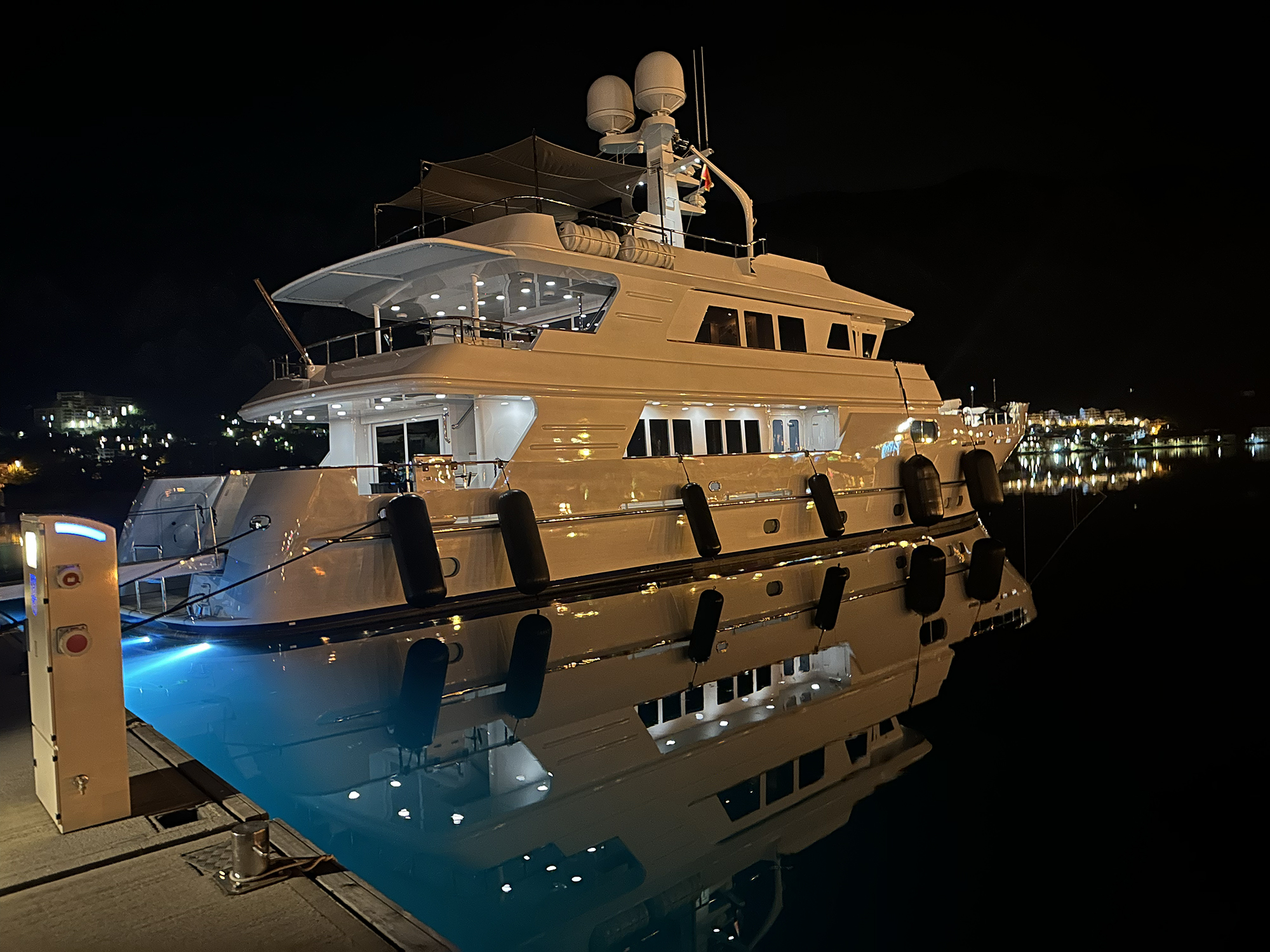
We had cruised 3,000 nautical miles from Florida to Bermuda, on to the Azores, and through the Strait of Gibraltar to the Mediterranean Sea. Our captain, Steve Steinberg, and his wife, Amy Ostek, manage charter operations aboard the 110-foot Kingship Relentless, which is slated to spend the summer on charter in Europe with a crew of seven.
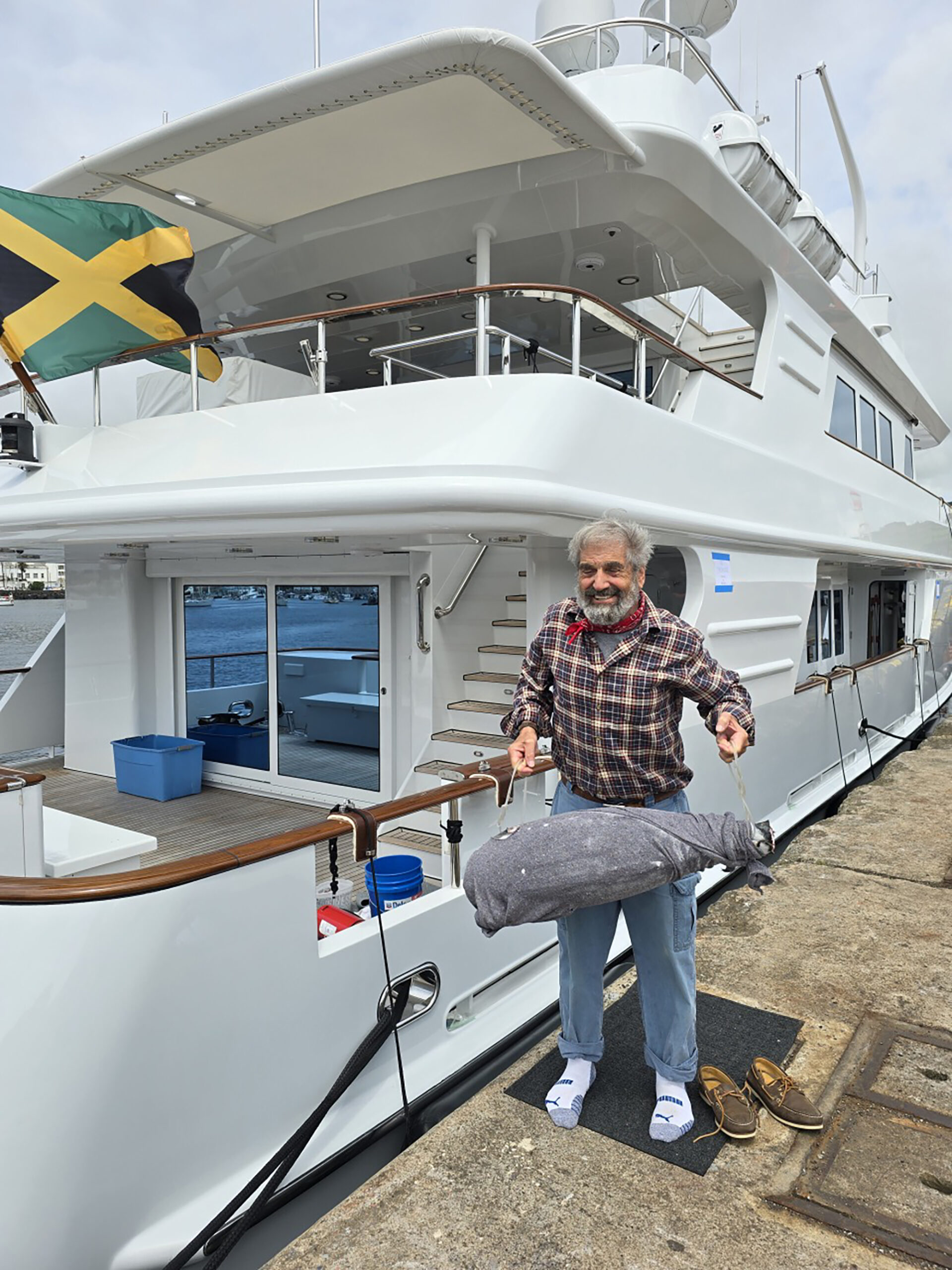
Relentless is not the kind of boat I’m usually cruising aboard. She’s a full-displacement, expedition-style yacht with a pair of 550-hp Caterpillar 3406s and a cruising speed of 10 knots. I like being offshore on this long-distance cruiser after many years of sailing aboard schooners from the East Coast to the Caribbean. Most of my boating is on New York’s Peconic Bay aboard Glory, my 30-foot, solar-charged Elco electric tour boat. Steinberg is a friend, and he invited me as crew for this passage.
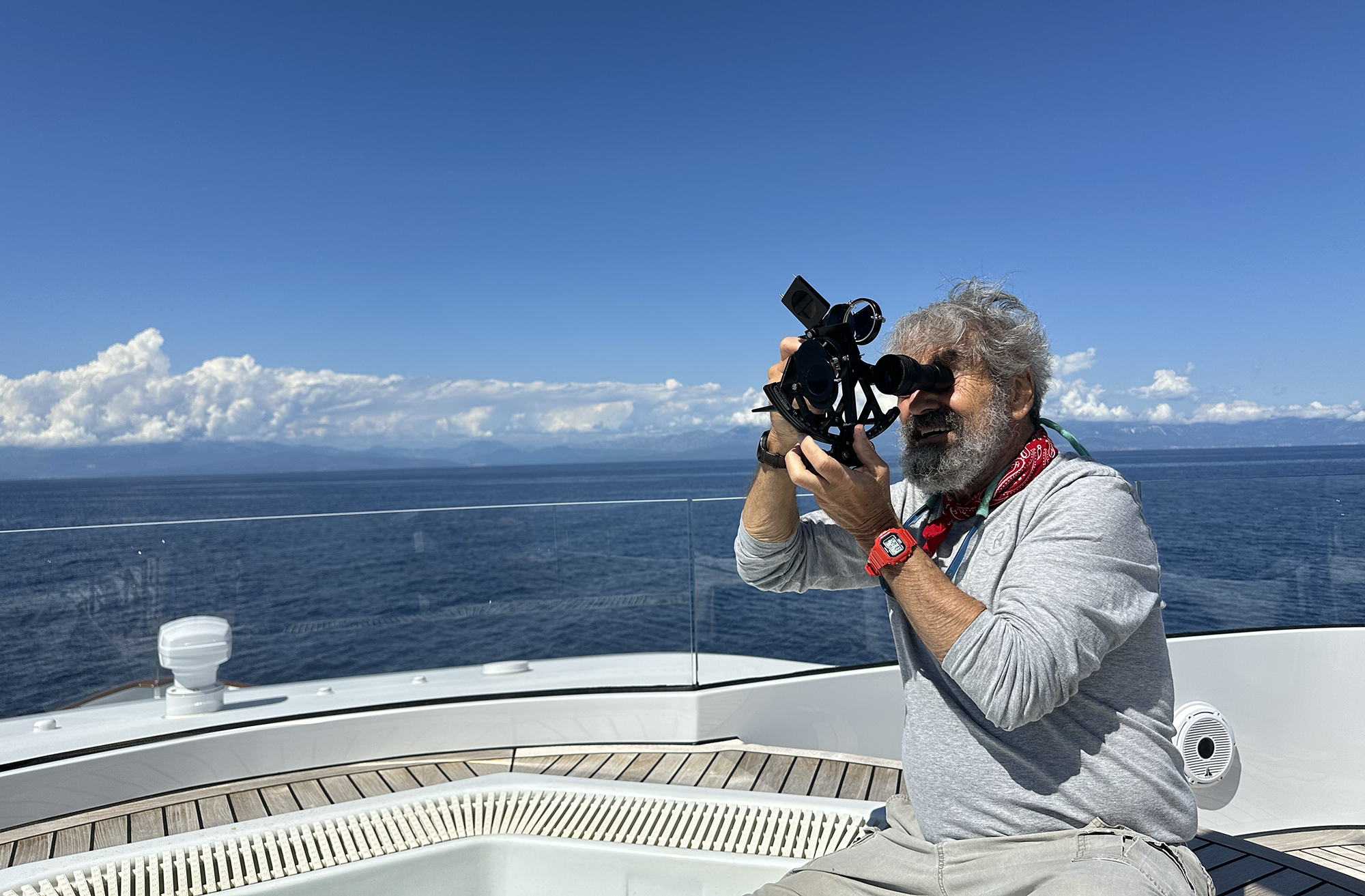
My role is to serve as an “analog replacement for electronics.” I can find latitude at noon using a sextant, plot a three-star fix, and get a line of position from a moon observation without too much trouble.
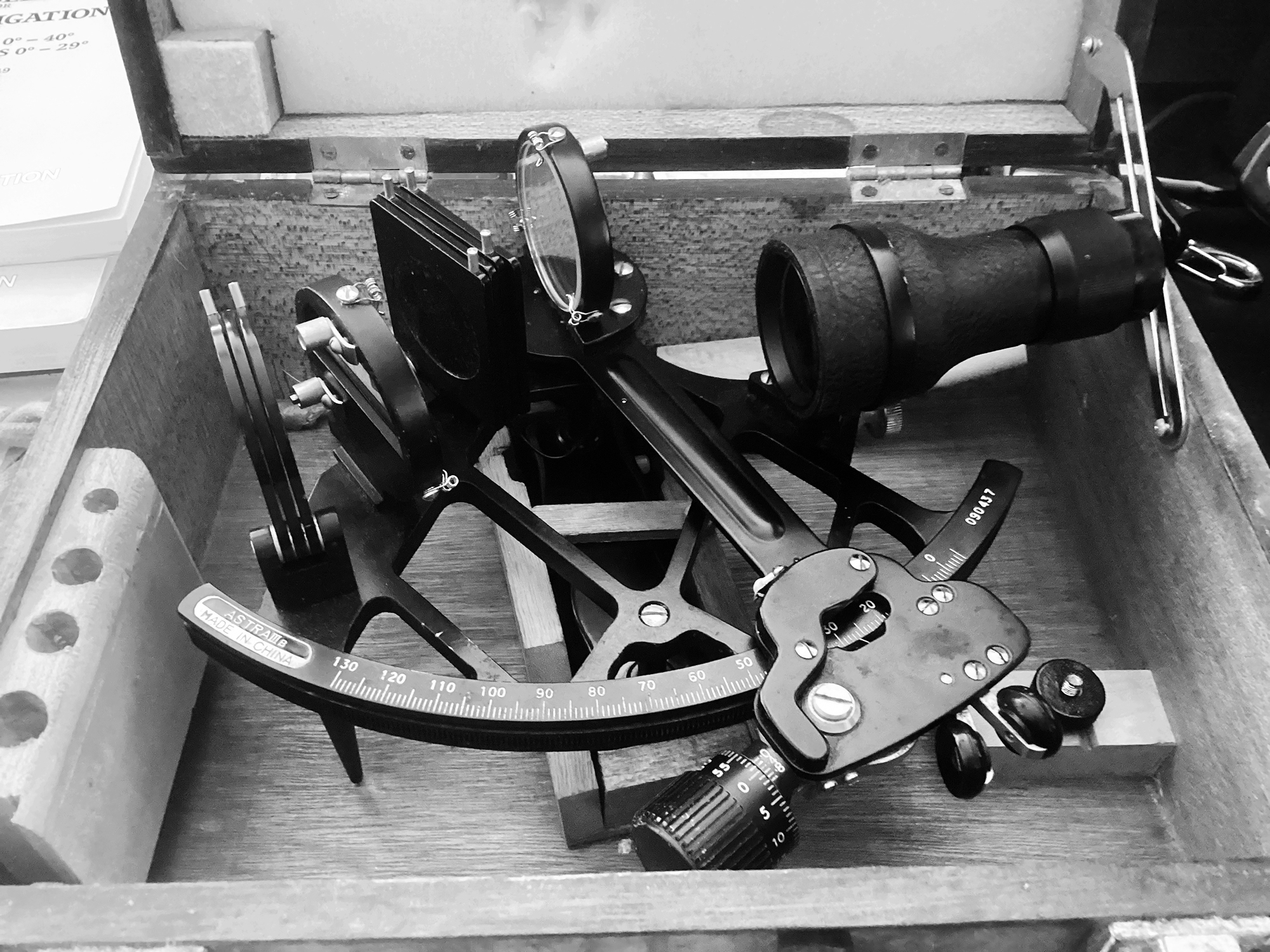
When it comes to modern electronic navigation systems, I am at a loss. In my defense, I’ve not had the opportunity to be aboard boats with modern electronics. I learned navigational skills when celestial was all the offshore mariner had.
On my first passage across the Atlantic as a deckhand in 1976, aboard a McCurdy & Rhodes ketch, the electronics consisted of a VHF radio and a radar that required plotting the closest point of approach on sheets of paper. The navigator used celestial navigation the whole way, plotting on Great Circle as well as Mercator projections.
Steinberg thought his crew should be exposed to some of these older techniques. Electronics can fail, and it’s possible to jam the GPS system, concerns that have the U.S. Naval Academy once again teaching celestial navigation after a 10-year hiatus.
Relentless has a lot of black boxes. They make me feel curious and intimidated. Every available space in the pilothouse is filled: Hatteland multifunction displays, two 96-nautical-mile commercial radar screens, a GPS plotter running MaxSea software, and a system alarm and monitoring screen. There’s also a Sperry autopilot with a gyrocompass, a Quantum zero-speed stabilizer system, and various Furuno systems such as GPS and commercial AIS. Starlink lets the crew watch movies on the 75-inch salon TV.
Steinberg and the crew teach me some basics, but I’m glad to see that this captain also has paper charts and the 2024 Nautical Almanac, plotting sheets and sight reduction tables. A big chart table makes it relatively easy to use parallel rules or triangles. I regret failing to bring along my Plath sextant, but Relentless has two sextants aboard. The Astra IIIB, a lightweight and accurate unit with good lenses, serves me well.
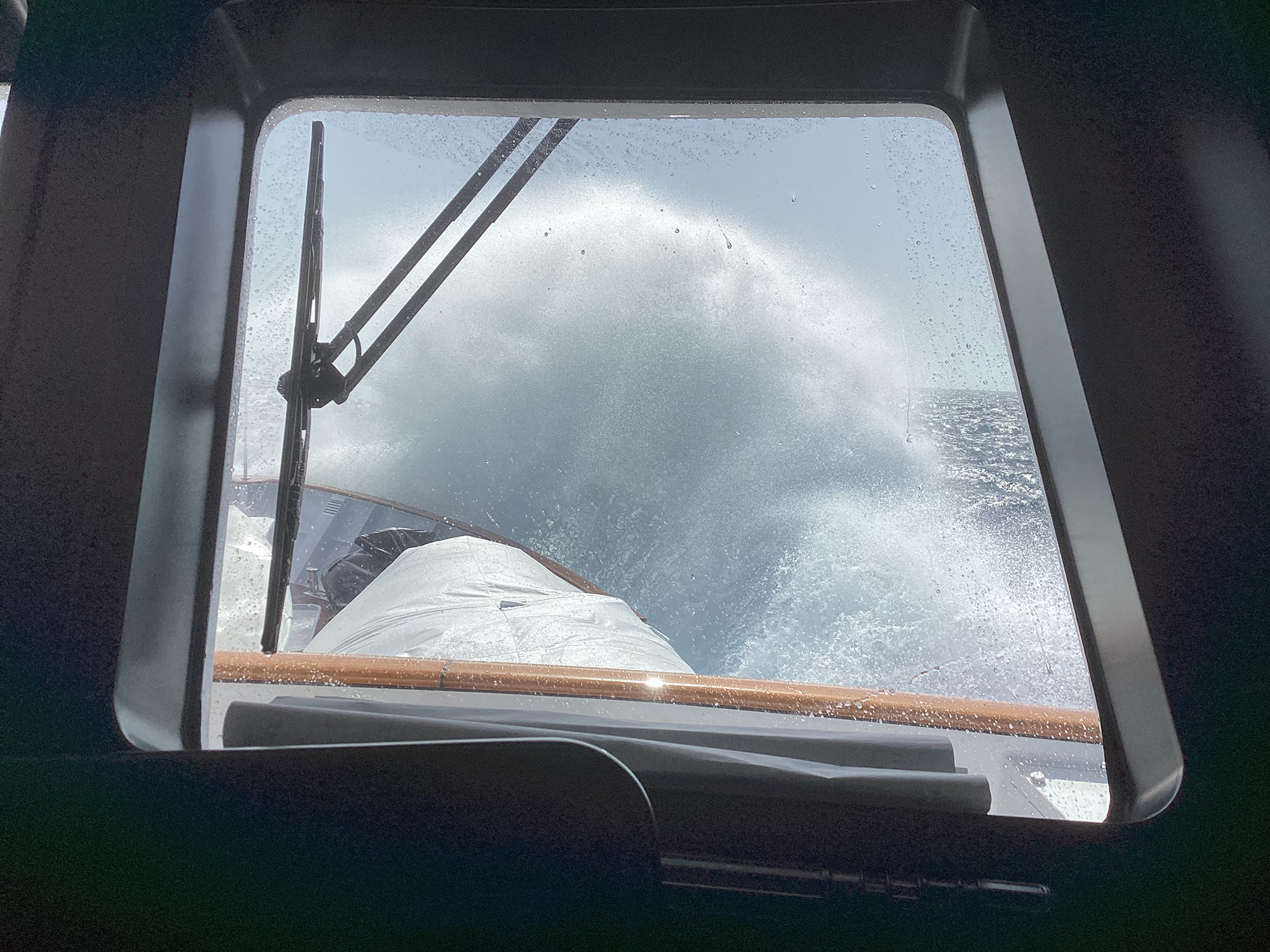
During the five-week passage, the weather is uncharacteristically mild, so I am able to take many reliable observations of the sun and moon, obtaining lines of position and fixes. My reliable Celesticomp V, an older-model celestial calculator, can calculate from a dead-reckoning position. I use the GPS fix as my dead reckoning position when taking sights. In essence, I am checking the accuracy of my celestial observations against GPS.
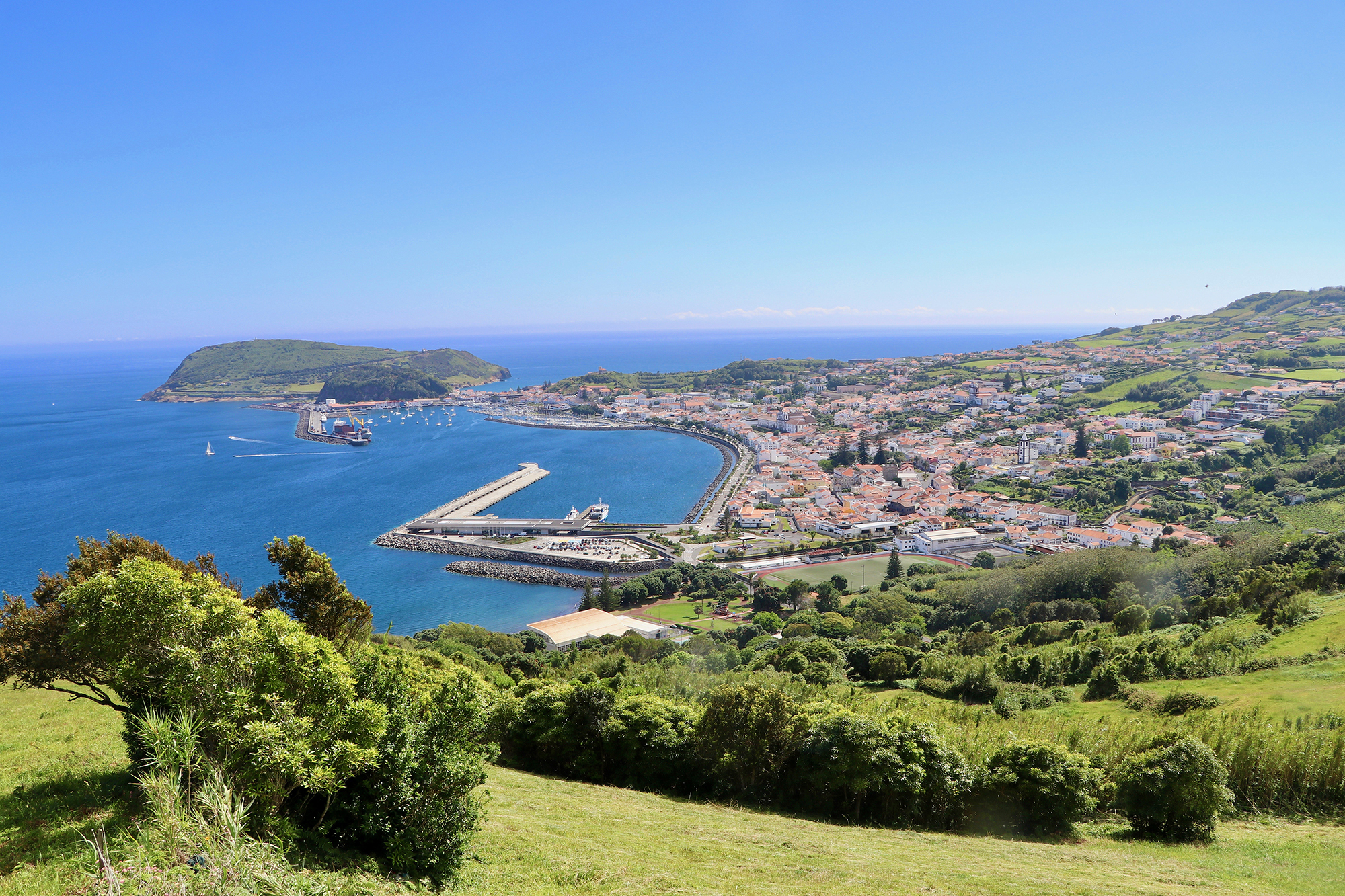
After a few days, I am able to obtain good observations—nothing as precise as GPS, but often within a couple of miles. With celestial observations, a 5-mile margin of error at sea is not unheard of. Of course, when closing on land, greater accuracy is required, but that can usually be obtained with a mix of bearings from lights and celestial observations. I do appreciate the value of GPS while making landfall, especially as we come into Horta, Azores, in overcast weather that obscures the skies.
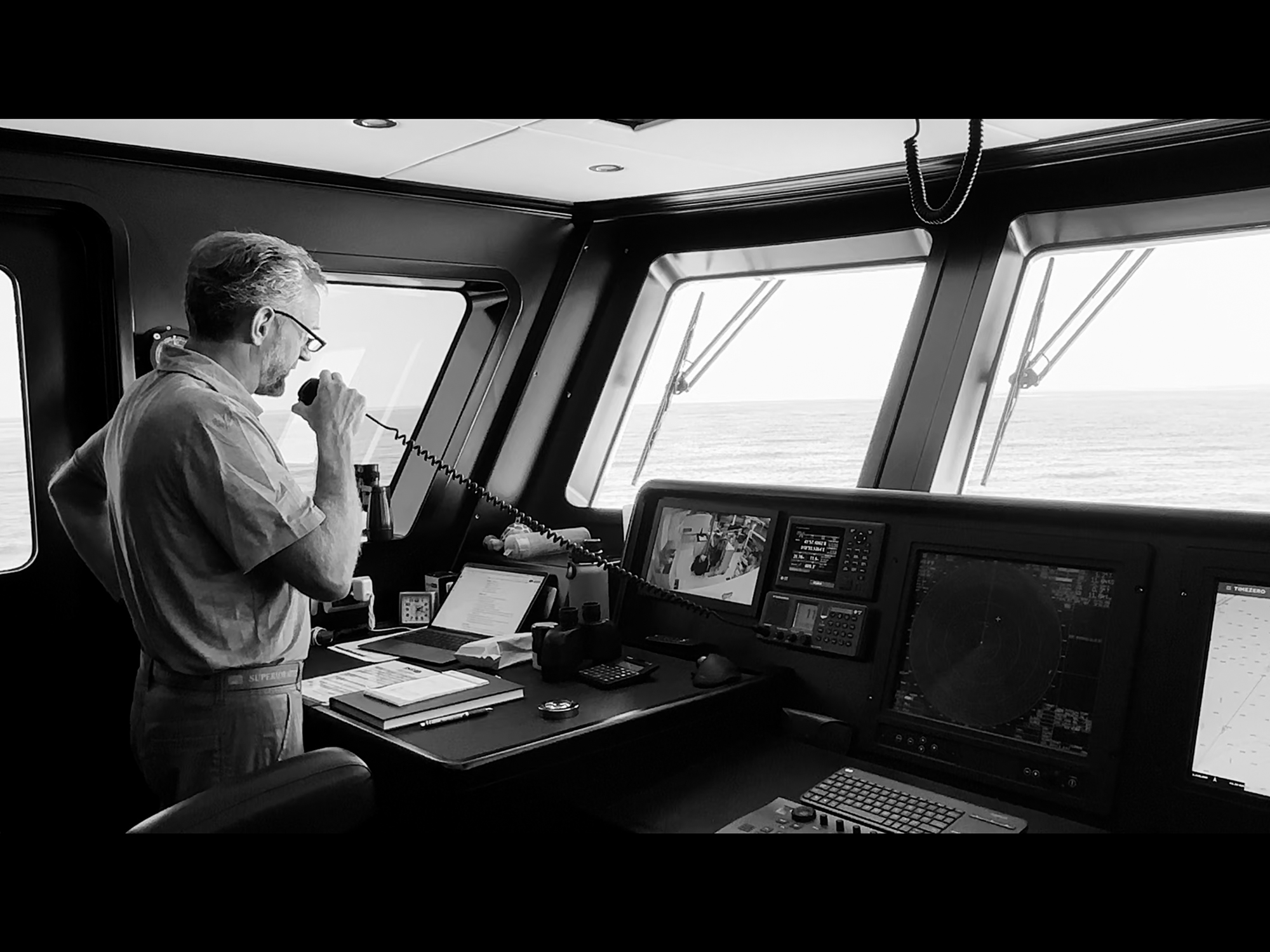
I stand four-hour watches twice daily on this trip. I hate getting up in the middle of the night, but I request the 0200 to 0600 watch so I can get morning star sights. It’s easier, for me at least, to shoot the stars as they’re fading from view. Sometimes just for the practice, I calculate the time of nautical twilight.
Usually, I take sun observations in the morning, then advance to a local apparent noon, which gives a latitude line. From that, I create an estimated position and then advance to an afternoon observation. I do about 15 observations daily. It’s challenging fun. Celestial navigation is such a mind game; the idea that we can use celestial objects to find our way, converting numbers into plotted lines on a chart, never ceases to amaze me.
I obtain satisfactory results observing the sun and the moon but, sadly, am not as successful with star sights. I think my fear of falling overboard hampers me. Aboard sailing ships, when doing star sights, I am usually in the companionway or wedged into the windward rigging. On this motoryacht, it is difficult for me to find what I consider a safe spot at morning twilight. During daylight hours, I can roam the upper deck and feel safe. Nighttime is different. Relentless has adequate safety railings, but I’m anxious.
The crew are interested in what I am doing, but seem to view me more, I think, like a museum exhibition. Even so, Steinberg seems satisfied with my contribution, and I’m having a grand adventure. What more could an old-time sailor want?
This article originally appeared in the September 2025 issue of Passagemaker magazine.