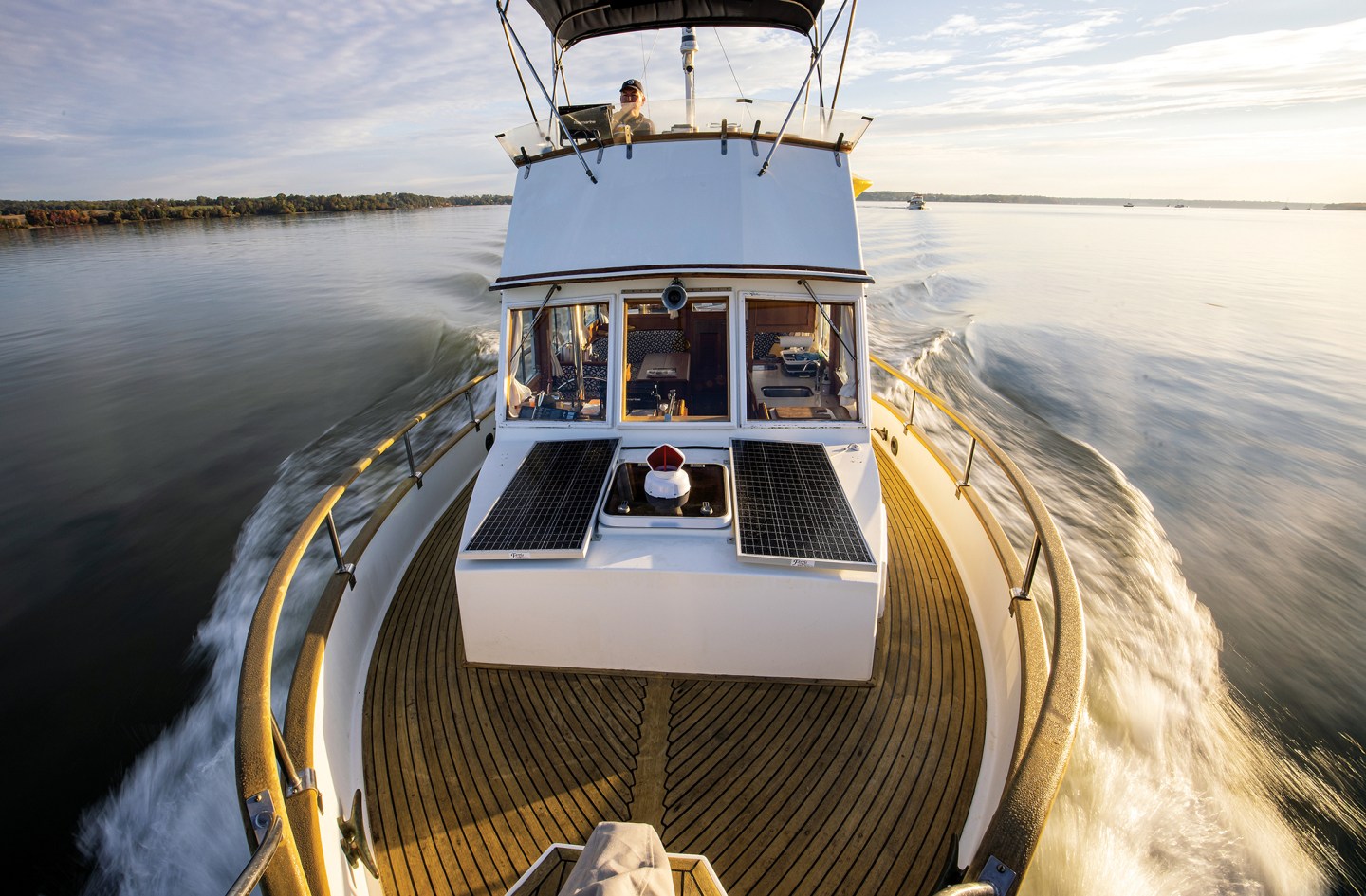
Photos by Onne van der Wal
Photographer Onne van der Wal has lived an amazing life as a yachtsman. His 50 years of images are well worth a thousand words. As a person, he is even more inspirational.
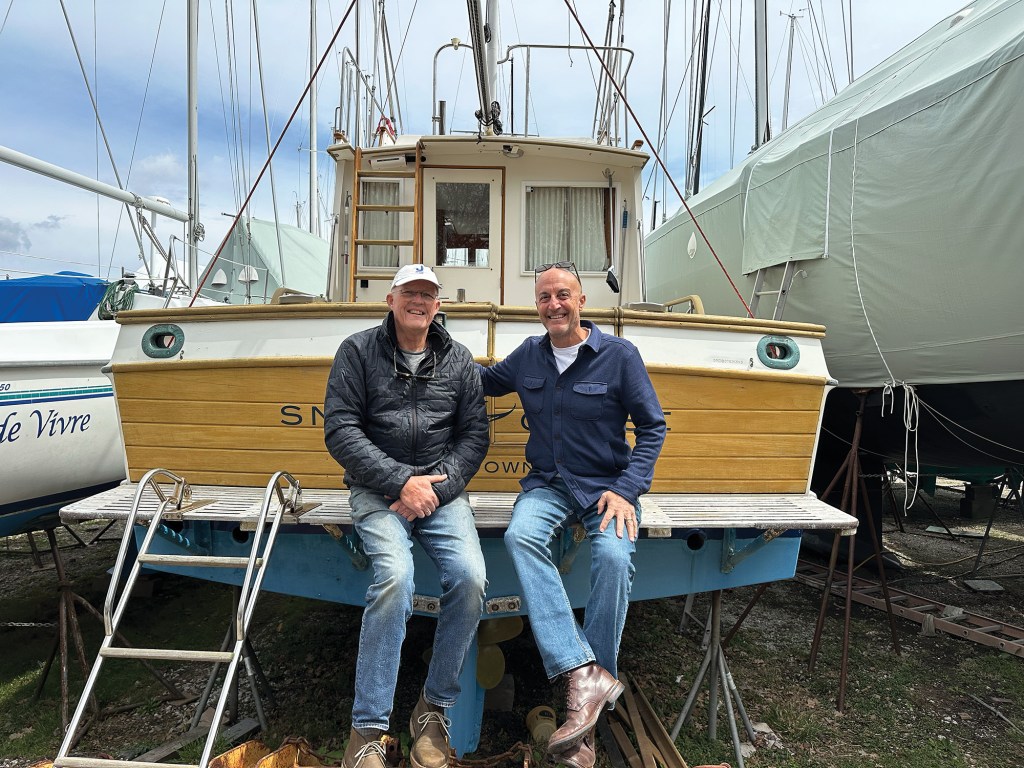
I read the feature describing his restoration of Snow Goose, a 1986 Grand Banks 32 Classic (see “Shutter the Thought” at passagemaker.com). At the time, I was tacking between Fleming and Grand Banks in search of my own next project.
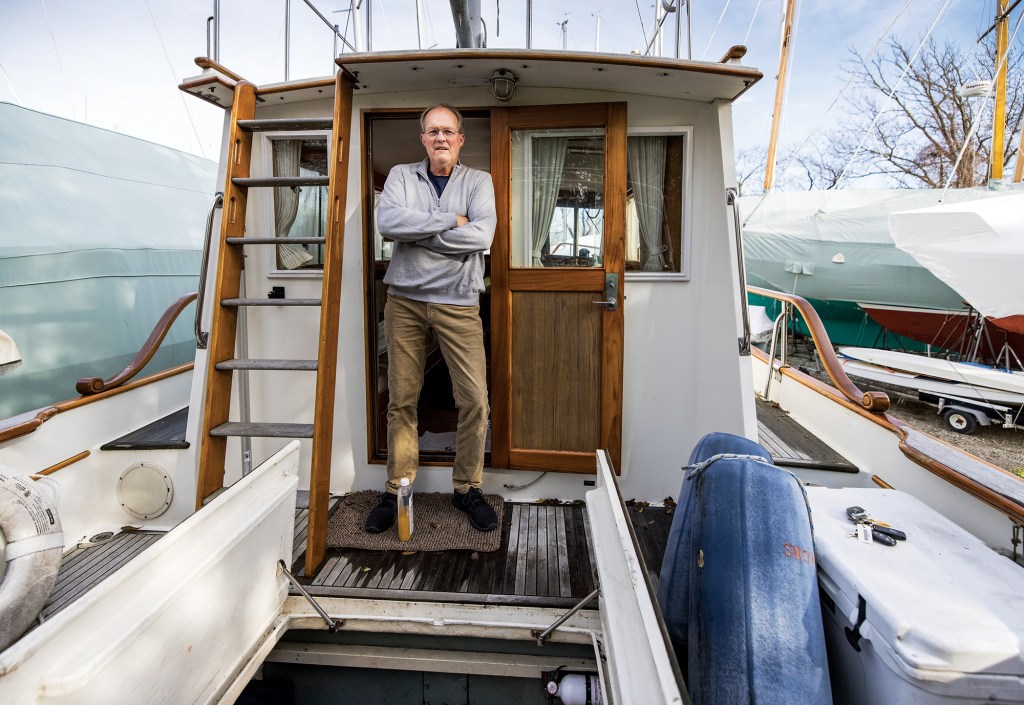
Spellbound, I then binged Snow Goose’s well-documented restoration on YouTube and grew increasingly enamored with the Classic’s profile. Eventually, I followed Onne’s lead. I purchased and restored GiGi, my 47 Grand Banks Classic (see “Making Her Mine” at passagemaker.com).
Snow Goose wasn’t Onne’s first such endeavor. A 1972 Pearson 36, Snoek, had come before. And like many such resurrections, it was brilliantly impractical and meticulously completed.
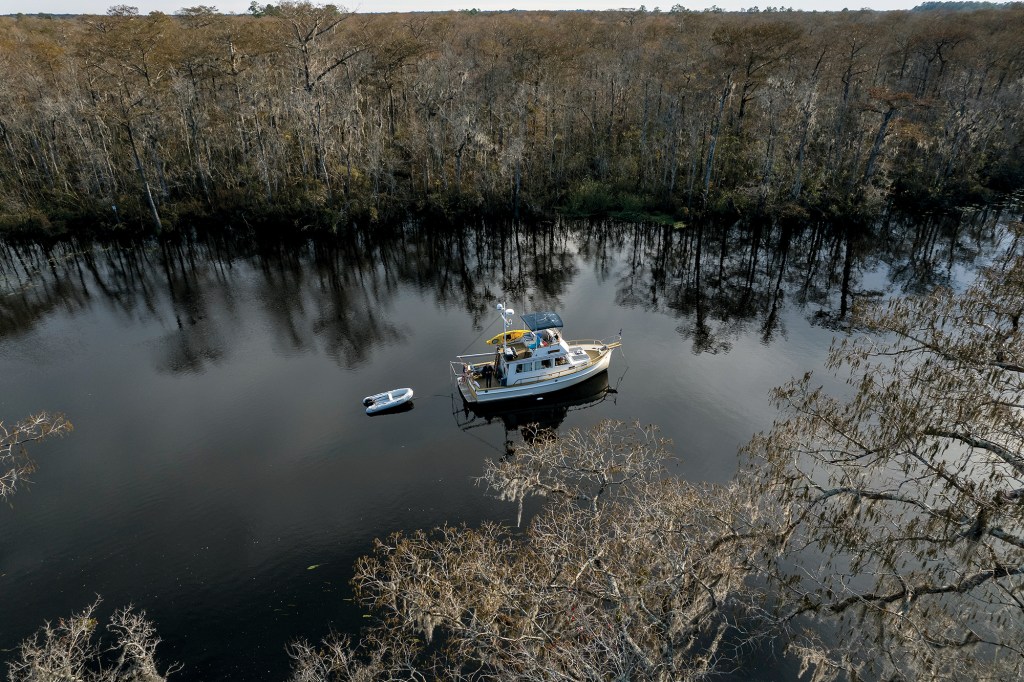
While it’s increasingly common for sailors to transition to power, on the surface, Onne’s decision to sell Snoek after so much work and only five years of ownership seems surprising. His rationale centered on photographic functionality and more: Snow Goose offers better shooting angles from the flybridge, shallower draft for gunkholing in shallow creeks and marshes, manageable speed for trolling (he likes to fish) and more suitable accommodations for long passages. All reasonable points.
My story is different. I come from a family of master craftsmen, and I had built many things in my 50 years behind a table saw: first furniture, then houses and, ultimately, boats. But Onne inspired me. In his approach and in his hands, I recognized a personal philosophy driven by inner purpose. I didn’t fully understand that he was a world-class sailor and celebrated photographer, so our friendship began without pretense, on a mutual respect for precision, problem-solving and getting very close to what we both care about: water, making boats work and the good people who you meet along the way. That he was also a distinguished sailor and venerable photographer would be revealed soon enough.
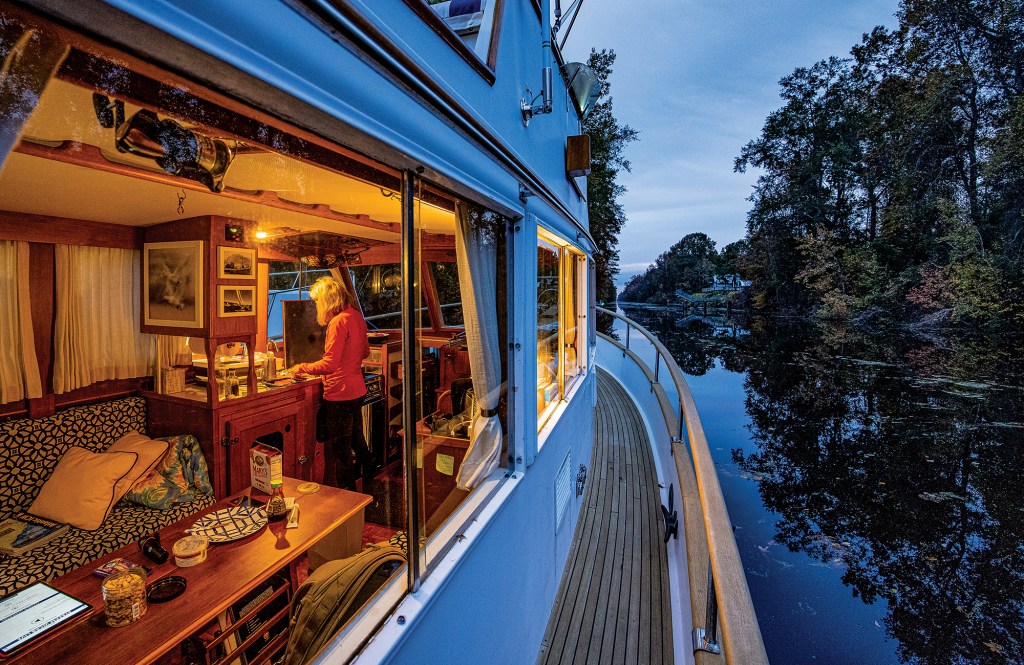
The truth is that Onne simply finds great joy in bringing pedigree boats back to life. That Snow Goose’s lines reminded him of the fishing boats he grew up with added a nostalgic dimension, the unspoken. Restoring Snow Goose was a meditative distraction from a potentially devastating problem he was not equipped to solve, and had to leave in the competent hands of others.
Another Chance at Adventure
The departure of Snow Goose from her homeport in Newport, R.I., in October 2022 waited until Tenley van der Wal, Onne’s wife, finished chemotherapy. They set sail five days after her final treatment. Her eyes and smile held the admirable combination of courage and hope. With each picturesque port town, bike ride and passage they documented, I dared to breathe easy. I set aside my awareness that people build things, and then time inevitably takes them apart.
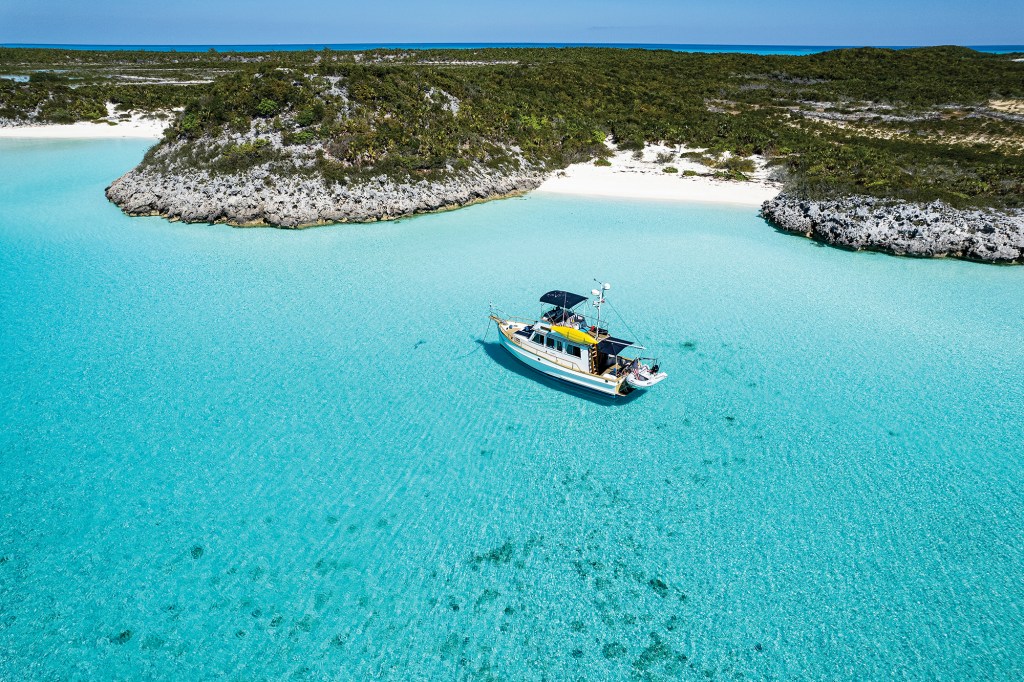
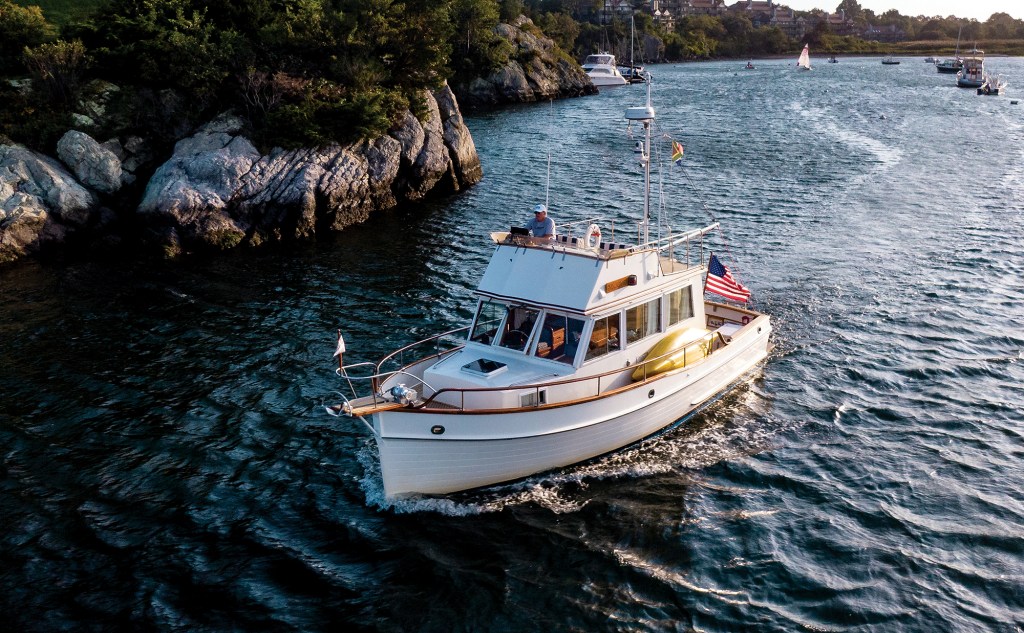
Snow Goose, on her 135-hp Ford Lehman diesel, performed well for nearly 1,700 miles to Palm Beach, Fla. Onne then achieved his predicted goal of making it across the expansive blue of the Gulf Stream and to the paradise that is the Bahamas.
Then, in one devastating sentence, fellow mariners learned of his pancreatic cancer diagnosis. The irony was not lost on me: A man who had stared down mast-high waves in the most dangerous of oceans didn’t see his greatest challenge coming. A voyage that should have marked a new beginning had, in Tenley’s words, been bookended by grave illnesses.
I know more than I needed to about pancreatic cancer, and it taught me not to waste a moment. As the 2025 holiday season approached, I spoke to Onne about his path and the people who had inspired him. I believe that a person’s outcome can best be predicted by understanding where they began.
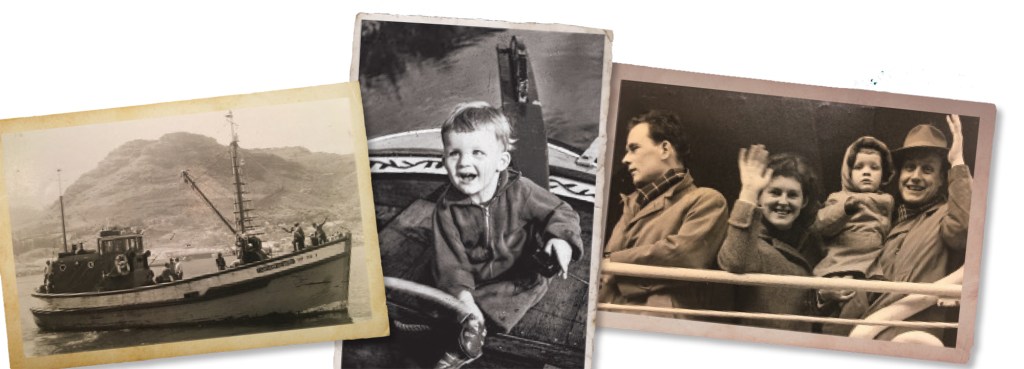
His journey, to the casual eye, can easily be mistaken for happenstance. It wasn’t. Fully observed with the perspective of time, each of his experiences was a necessary chapter in a perfect confluence of three foundational elements.
In 1959, his parents, Johan and Maaike, relocated the family from the Netherlands to Cape Town in then-apartheid South Africa. Onne’s maternal grandfather, Adrian van den Heuvel, had already begun cultivating his love of the water. Struggling academically, Onne pursued a five-year machinist apprenticeship while he worked as the only white man aboard Constantia Berg, a fishing boat that ran from Hout Bay, just south of Cape Town.
It was the early 1970s, nearly 100 years after the publication of The Adventures of Huckleberry Finn. Aboard Constantia Berg, working long days, Onne learned that on the water, social structures blur toward merit, and inspiration is colorblind.
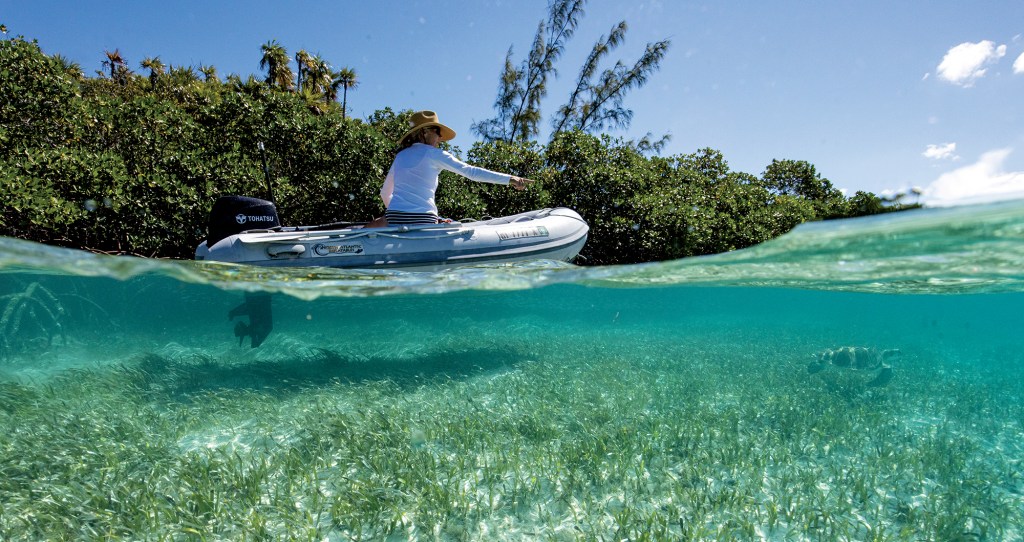
Approximately 45 years later, he would return to Hout Bay to shoot footage for the PBS special Unknown Destination: A Love Story. Speaking with an older Black fisherman on the dock, Onne mentioned a captain’s name, and the jigsaw pieces of their pasts began to assemble. The fisherman recalled a young white man who had worked aboard and asked, “Aren’t you Onne?” It was a moment between old workmates in a world that had moved on.
They laughed and shook hands, confirming that their fond memories and respect remained. A world-class location to master his skills, sailing opportunities and enthusiasm are abundant in Cape Town. Onne finished his five-year machinist apprenticeship in three years so he could serve as a watch captain and starting helmsman on his first major transatlantic passage. For that run, his father provided a small camera. It completed the three-part foundation on which Onne would build for decades.
With an ambitious eye on his horizon, he set out to work for his sailing hero, Capt. Conny van Rietschoten, who had just won the 1977-78 Whitbread Round the World Yacht Race. Onne understood that he would need to differentiate himself among the many capable sailors lining up to sail for Rietschoten. In a savvy maneuver, he spent a few years building his sailing reputation before requesting an interview.
When they finally met, Onne’s precision machinist background tipped the odds in his favor, and the flying Dutchman offered him a position aboard Flyer II, which would be victorious in the 1981–82 Whitbread. The Flyer II appointment as bowman and engineer, together with a subsequent nod from SAIL magazine to serve as an official photographer for the race, would forever alter Onne’s trajectory.
He says that van Rietschoten was not a captain in the style of other greats like Dennis Conner and Sir Peter Blake. Given his industrialist background, van Rietschoten applied a corporate leadership approach. Team structure and competence were critical elements of his success. That Onne and van Rietschoten shared a native tongue helped deepen their relationship across 32,000 miles of ocean.
This connection would prove a material factor in Flyer II’s championship after a heart attack left van Rietschoten not only in poor physical shape, confined to his bunk, but also frustrated, angry and susceptible to the emotional decision-making that can cloud judgment. Van Rietschoten’s bet on Onne paid off. He stepped in as an informal ambassador to help maintain crew cohesion and focus while in Auckland, New Zealand, at the end of the second leg.
When I asked Onne whether van Rietschoten had acknowledged the importance of his role in Flyer II’s victory, all he said was, “He didn’t need to.”
The Mermaid Surfaces
Onne is not the first sailor to have been inspired by a mermaid. While his photography of the 1981–82 race established him as a renowned racer, sailor and photographer, his most important endeavor waited in his new hometown of Newport. In 1997, he was drawn ashore by Tenley. There are few greater romantic gestures a man can make beyond committing to the care of another man’s children. With two small children already aboard, his true strength was no longer demonstrated by the precision of his eye or the dexterity of his hand, but by the size of his heart.
While Tenley is alluringly beautiful, her inner workings are even more captivating. There is an apparent presence to her, a quality that Onne clearly respects. Even from afar, she is the driving wind to fill his sails—to build their family, to exhibit his work to the world, and to exercise patience for his obsessions like Snoek and Snow Goose.
Impressing Tenley seems to be his greatest inspiration, beyond water and light, beyond perfect images. She is the force of nature who, while recovering from her own battle with cancer, rallied to save him. Upon his diagnosis, he said that he was at peace with the life he had been afforded.
I recall my first conversation with my father after the same diagnosis, and he spoke the same words. Perhaps the great ones always do. I didn’t believe my father, but held my tongue. Tenley flat-out refused that response from Onne and redirected her strength into mounting what he describes as the fight of his life. There is no doubt in my mind that he is alive today because of her.
Thoughts Across Flat Water
My discussion with Onne was conducted across continents, threaded in between his chemotherapy treatments. A conversation that began with my question about what had inspired him inevitably required an examination of how he had inspired me.
Between our talks, I sorted through a lifetime of his images, pages and video footage, distilling them down to my initial, instinctual recognition. Snow Goose was an omen that gave me permission to push further into another resurrection and restoration of something once beautiful and best in class. Similar, wounding early academic voices that predicted a less-than-extraordinary outcome for Onne would fuel my rebuild, piece by piece, using modern methods and materials to make another GB Classic better than it ever was, with refinements conceived over decades of moving through and living on the water.
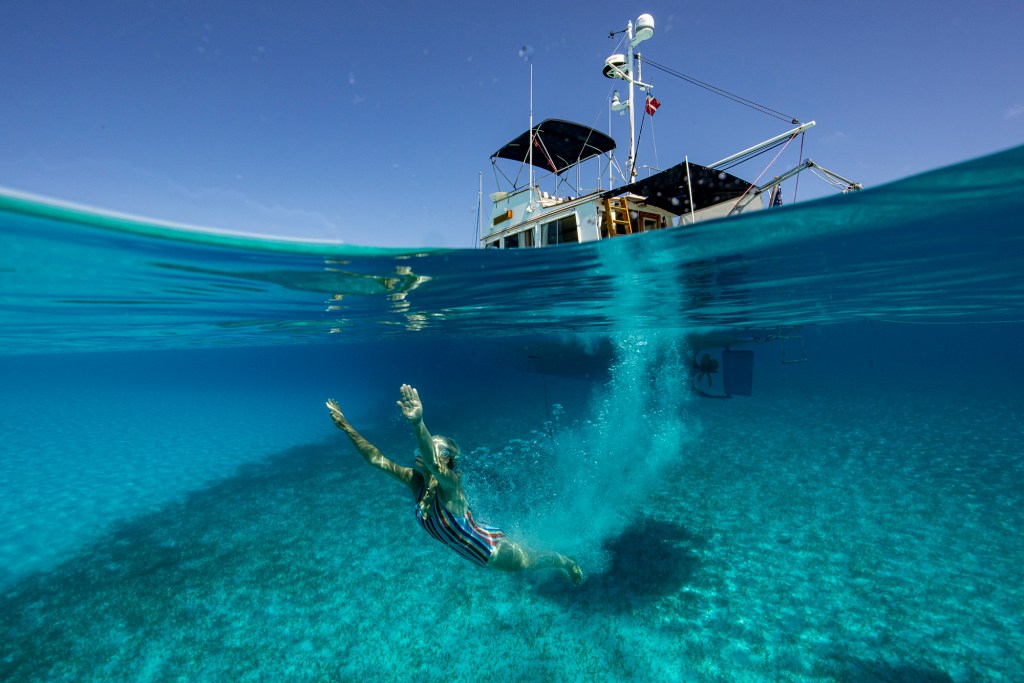
In the best and worst conditions, Onne’s confidence is a vessel that carries him to destinations otherwise inaccessible, indescribably beautiful and incredibly important.
Chasing Snow Goose, Onne’s full composition came into perfect focus—the objective mind of a scientist, the hands of an engineer, the courage of a sailor and a kind heart, wide open to human connection. And yes, he does take some rather incredible photographs.
This article originally appeared in the July/August 2026 issue of Passagemaker magazine.