

Good food from the galley, cocktails on deck and a comfortable cabin can make downtime for repairs tolerable, or even fun. But when air conditioning fails in tropical heat—even for one sweltering, sleepless night, or on an evening when gnats and mosquitos make humans the main course—all but the heartiest cruisers head for a hotel.
Fortunately, air conditioners seldom quit without warning. Basic preventive maintenance, plus a few simple checks when preparing for a cruise, illuminate most troubles before a boat ends up stranded in the heat.
“Eighty percent of what we fix is caused by lack of maintenance,” says Glen Isham, owner of Gulfstream Marine Air Conditioning and Refrigeration in West Palm Beach, Fla. Problems often start at seawater strainers. “In warm water, growth is a lot quicker,” says Isham, who has 27 years in the business.
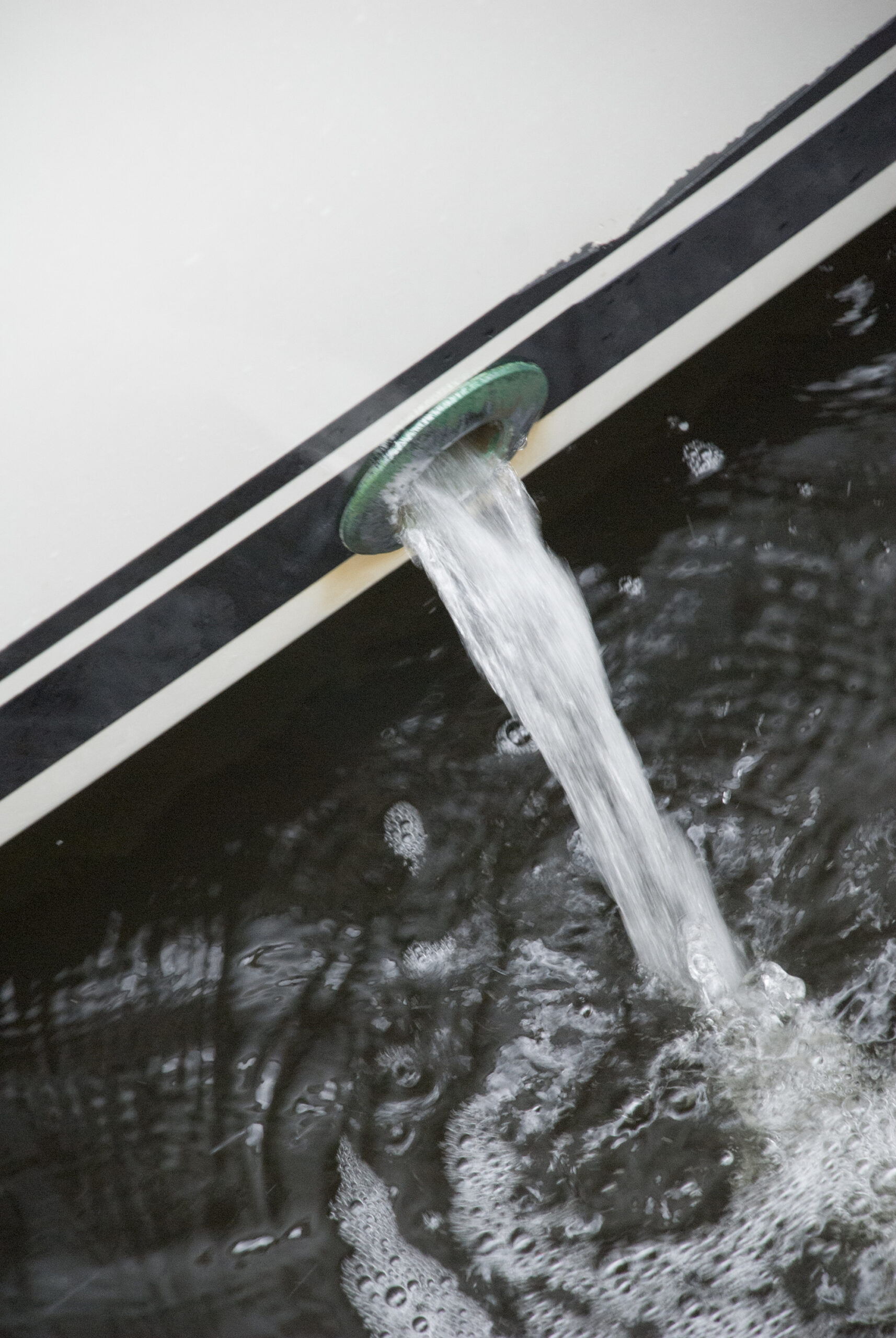
In nutrient-rich, 80-degree water like South Florida’s in summer, he suggests cleaning strainers once a week. Cooler water extends that interval to every two or three weeks, or longer when autumn weather reduces air-conditioner running time.
But there is an easier, more effective check, Isham says: “Know what your overboard flow looks like when everything is freshly cleaned, and every time you come aboard, check that flow.” Doing so heads off the errant sandwich bag, wad of lawn clippings or clump of seagrass that find the air-conditioning intake.
When you notice a problem, don’t delay. “Barnacles tend to grow where water flows more slowly, usually in the seawater strainer,” he says, while faster water flowing through narrow hoses tends to sweep them clean. Once flow slows, barnacles are more likely to grow in the hose between the seacock and the strainer. The result is considerably more repair time.
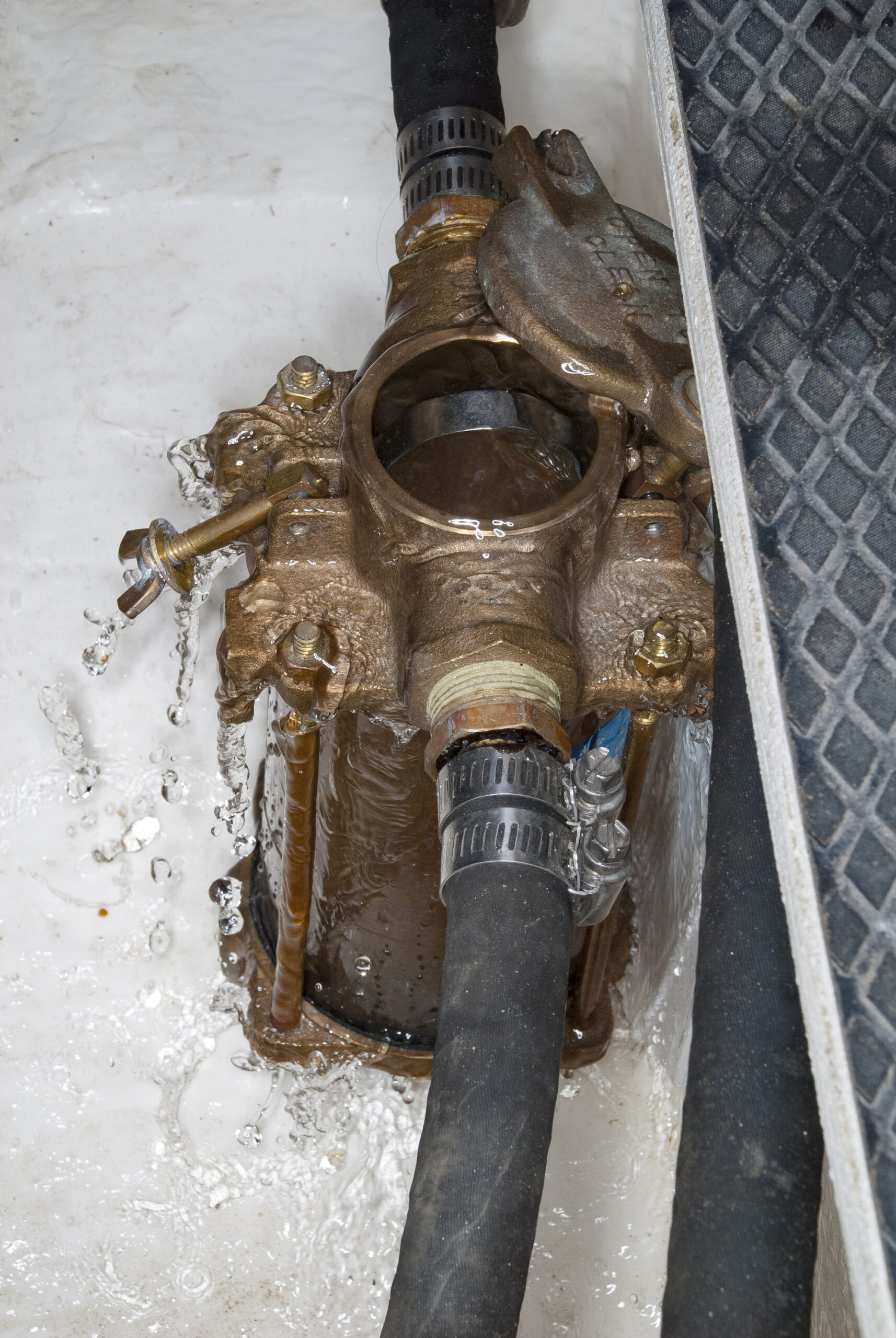
Sea strainers tend to foul at inopportune times, so make changes quickly with a spare strainer basket, a small bucket and a toilet brush. Throw the fouled basket in the bucket, give the inside of the strainer a quick scrub, and insert the spare strainer.
Isham suggests another quick check before buttoning up, though: “Open the seacock and let water flow into the boat.” A 1-inch inside diameter seacock should shoot a 1-inch column of water all the way to the boat’s waterline, or let roughly that same flow through the larger opening atop the strainer. “Know what that looks like when everything is clean,” he says. Anything less indicates an obstruction.
Silt, fine sand or thin seaweed pass through sea strainers and collect in narrow passages farther along. “The more that builds up, the faster it collects,” Isham says. For a quick, simple fix, he adds: “Make up an adapter to flush water through the system from a garden hose. Disconnect a hose from the sea strainer or seawater pump, and flush in both directions. The higher pressure from dockside or ship’s water flushes out that debris.”
Seawater Pumps
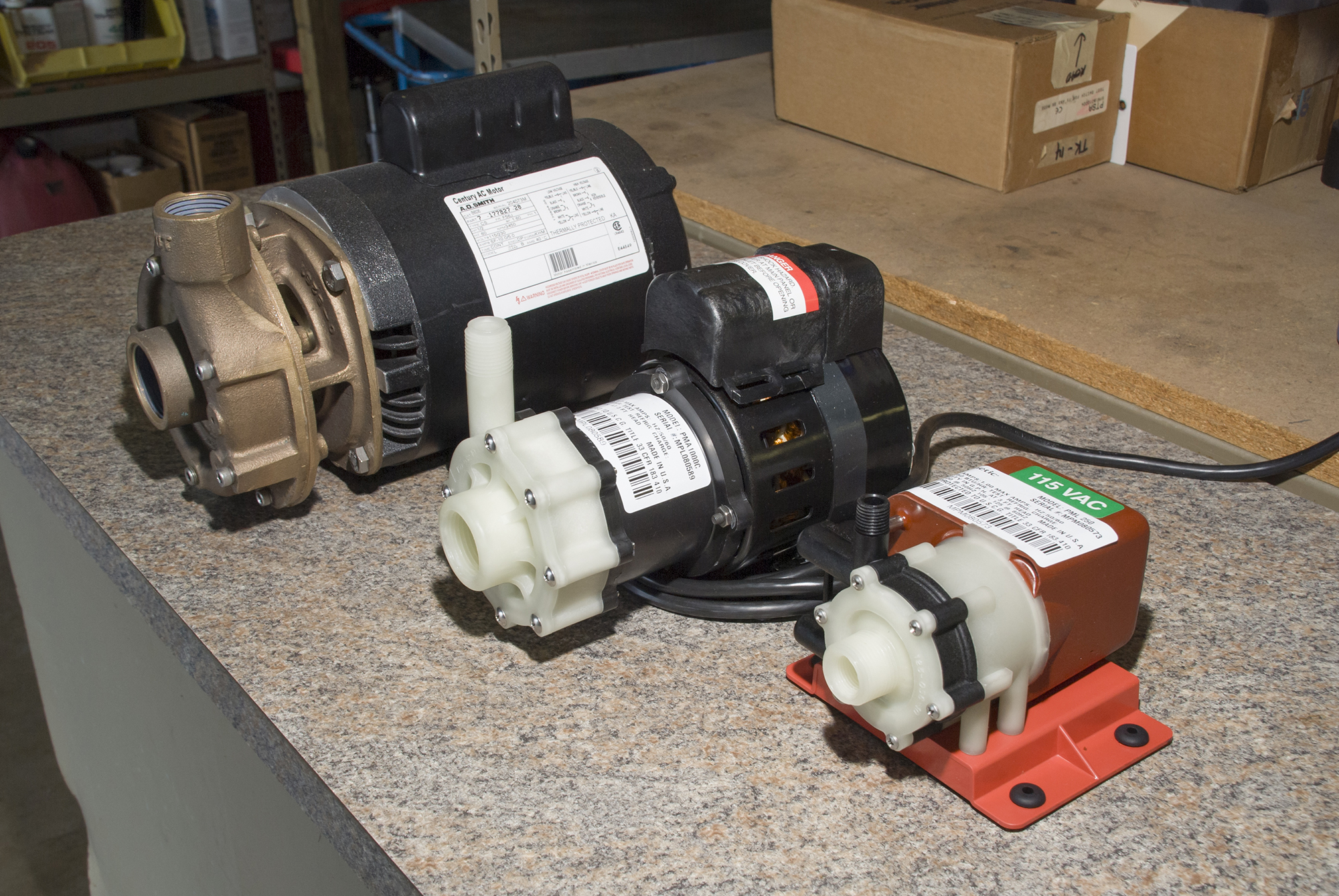
Air conditioner pumps might run 500 hours a month in tropical heat. Large boats with more than three air conditioners typically utilize bronze pumps. These seldom fail without warning, but that near-constant water flow erodes bronze or stainless steel pump innards.
To avoid breakdowns, Isham suggests replacing pump seals and metal impellers annually. Plan on replacing the entire pump head every two or three years, and check it before each trip. The open area between the pump head and motor might be a bit wet from a weeping seal, but it shouldn’t drip steadily.
On small boats with one or two air conditioners, shallow bilges often dictate waterproof pumps. Motors encased in epoxy are cooled by seawater flowing through a quarter-inch-diameter tube. One barnacle chip or mollusk blocking that tube will overheat and burn out the pump motor, or distort the plastic housing so it won’t pump water. Isham suggests carrying a spare with pre-installed plumbing fittings and electrical terminals to make replacement quick.
Midsize boats with a few air conditioners typically employ plastic pump housings and air-cooled motors, which have neither bronze erosion issues nor motor overheating problems. Since they use magnets between the motor and pump instead of a drive shaft, they don’t have seals to leak, either. Those plastic housings will overheat and warp, however, if pumps run dry even for a short while. Air-cooled motors also require a few drops of oil every six months.
Corrosion
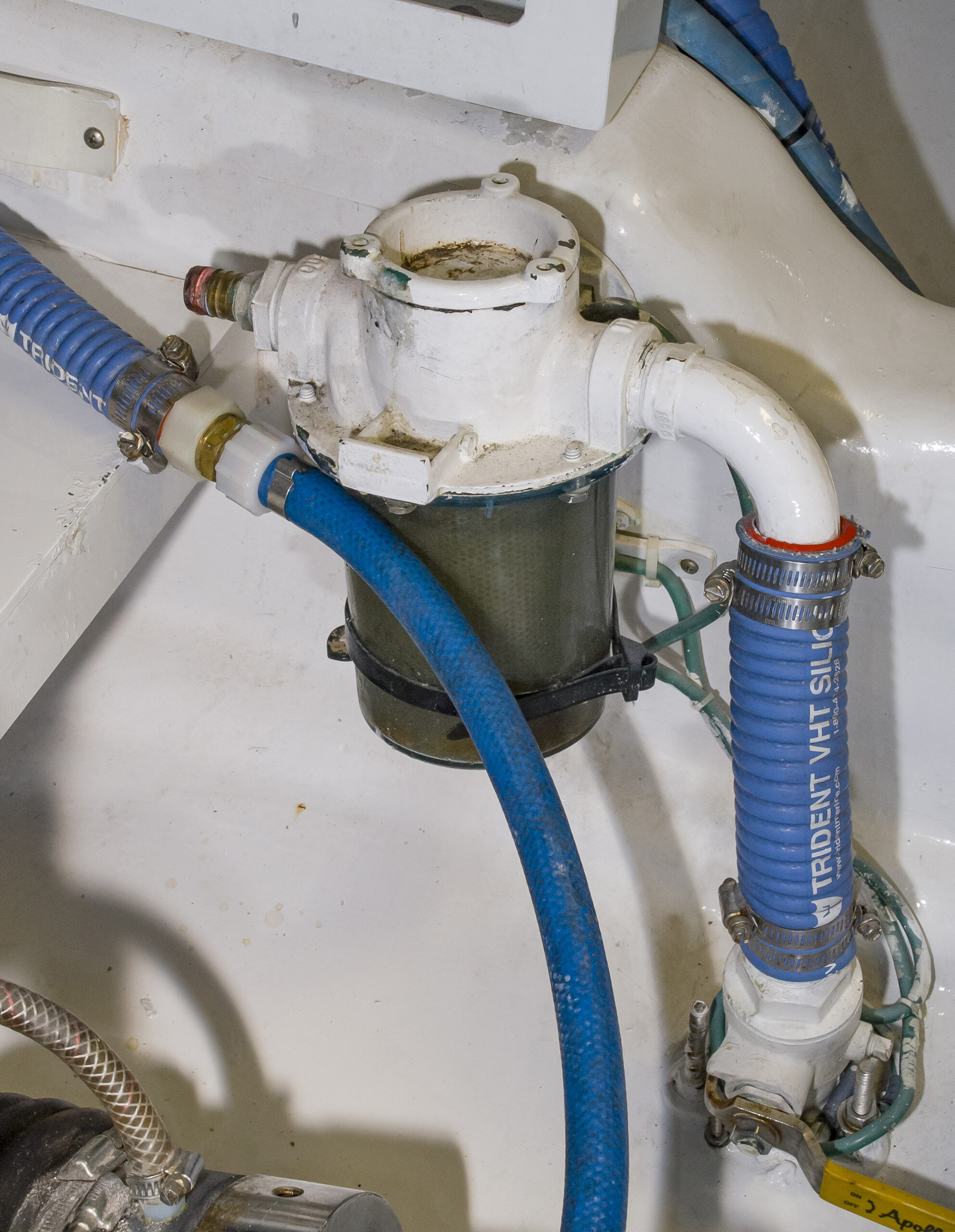
“Almost every room has an air conditioner, and there are potentially six or eight seawater connections for each one,” Isham says. All are poised to fail and spray sensitive equipment. Check hoses and fittings with a flashlight and a mechanic’s mirror, or feel with your fingers to find leaks. “Anyplace you find salt residue, fix the leak and clean it off.”
Bronze pumps and sea strainers are typically bonded to prevent stray current corrosion, so be sure those connections are sound. Some systems include zincs that require periodic replacement, too.
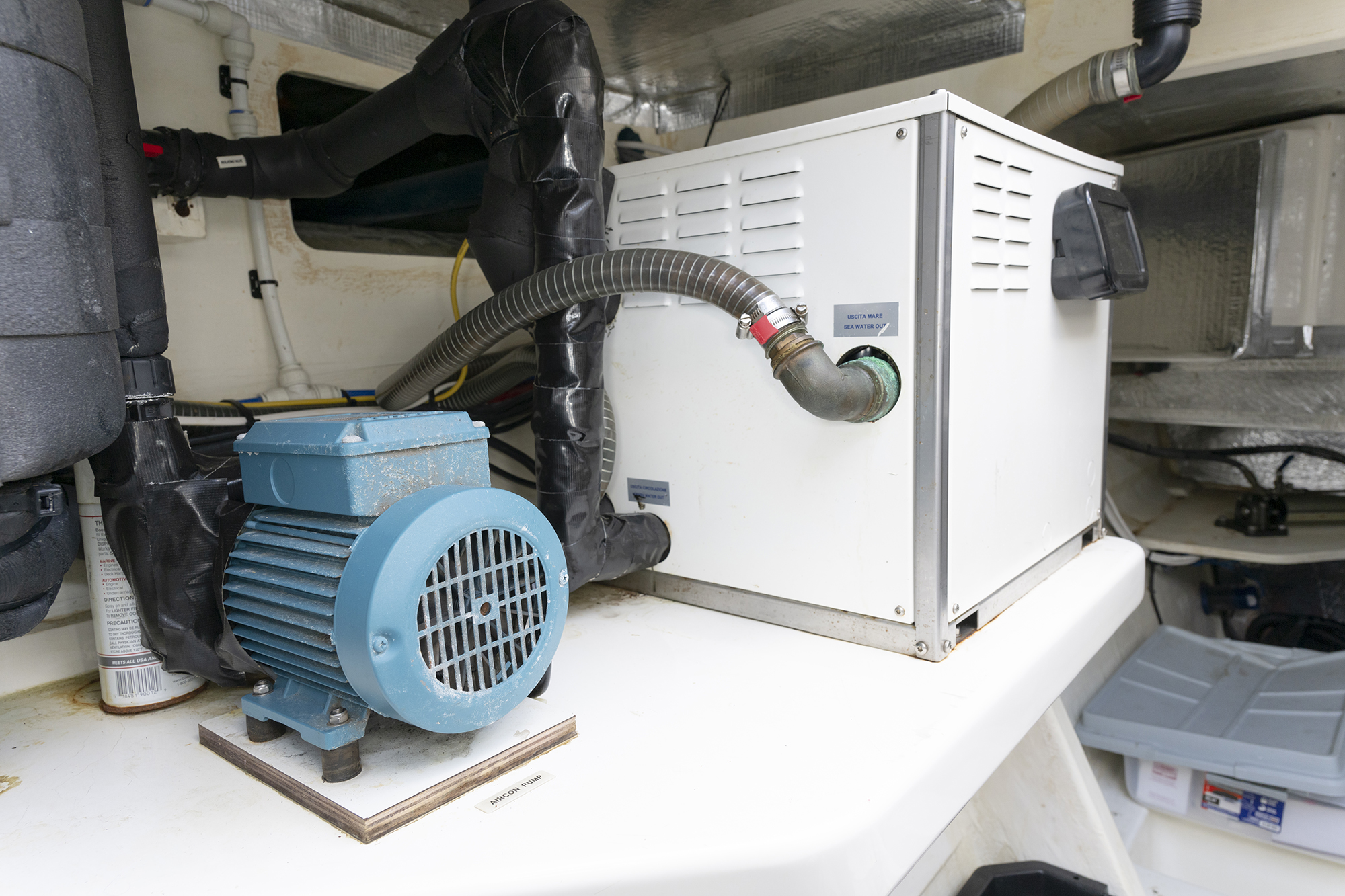
Engine Room Health Checks
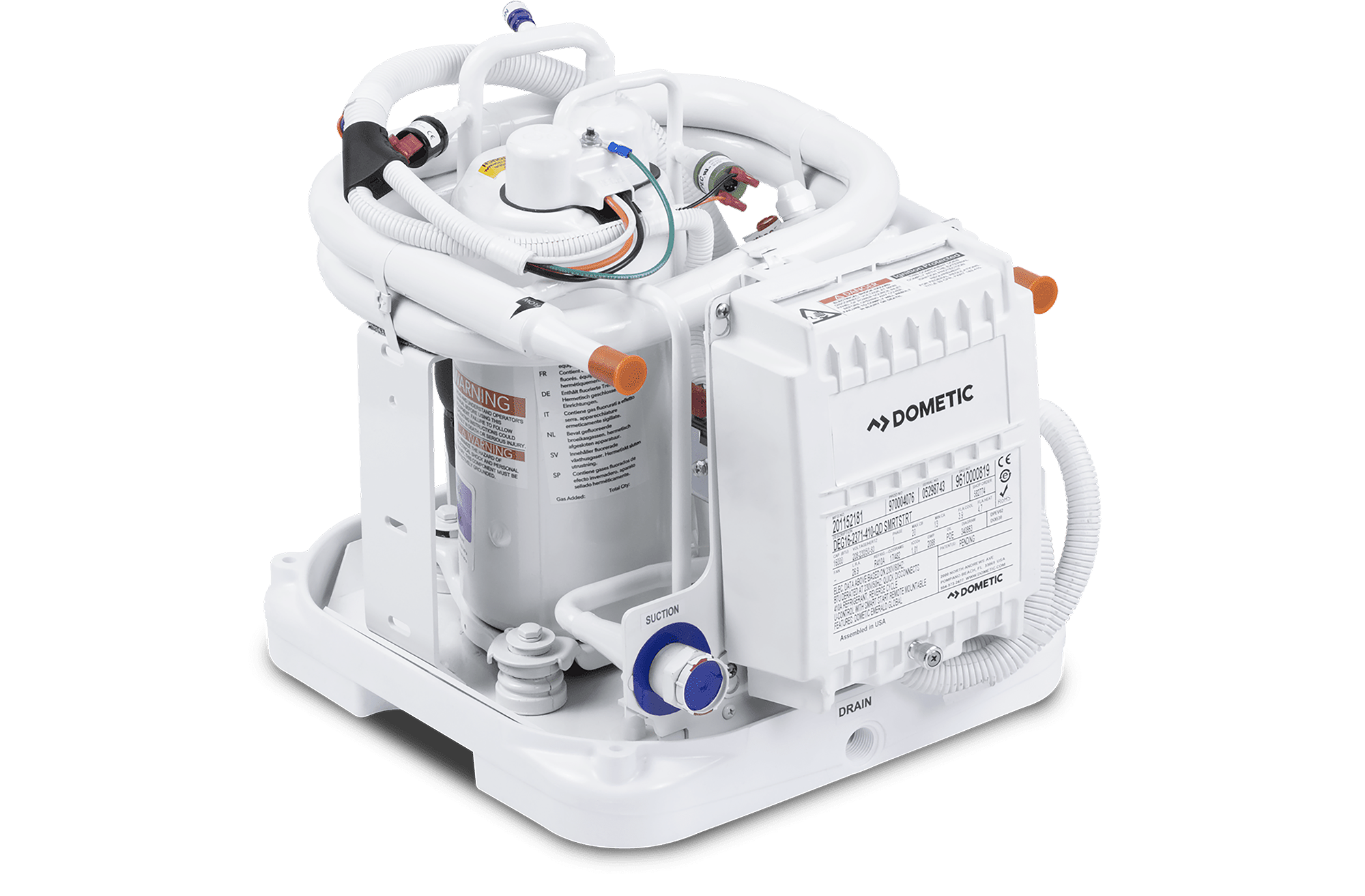
Direct-expansion air conditioners cool by rapidly depressurizing a refrigerant, changing it from liquid to gas at the evaporator in the cabin, and capitalizing on the rapid cooling this creates. At the other end, the condenser turns the gas back to a liquid, shedding excess heat into the seawater circulated through the unit. Air-conditioner technicians attach gauges to monitor the outgoing liquid and returning gas, and from these pressures can diagnose most problems. But simply by monitoring equipment temperatures, boat owners can often foresee developing problems.
“The liquid discharge valve [the one with the smaller tube connected to it] should never be more than 15 or 20 degrees hotter than seawater temperature,” Isham says. Check it with an infrared thermometer, or just feel by hand. “Even when the seawater temperature is high, if you can’t keep your hand on it, you know you have a problem.”
The suction valve—the one with the larger tube connected to it—usually sweats condensation, but it should never ice over. Anything outside that norm is a waving flag, warning of future sleepless nights.
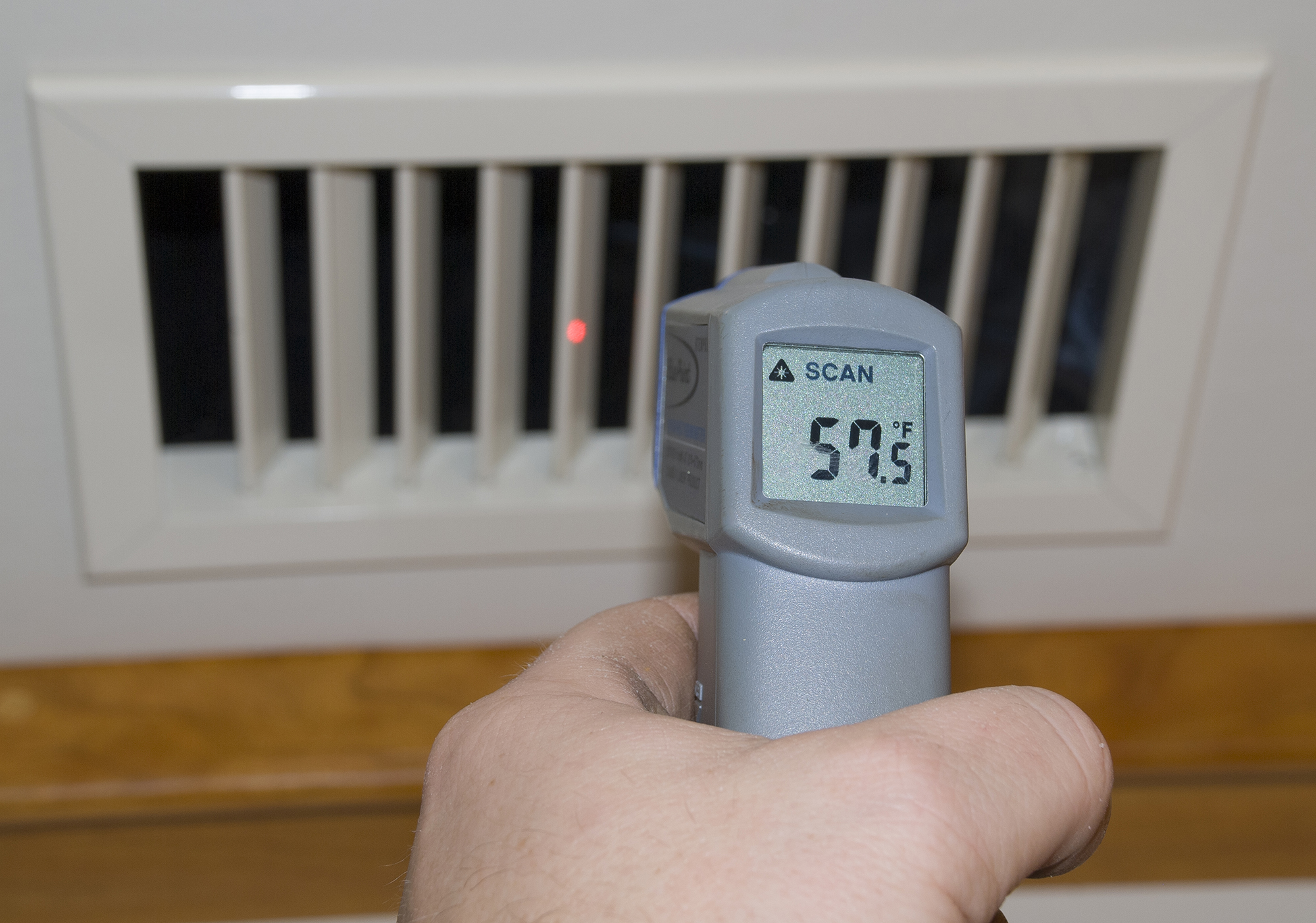
Inside the Cabin
Similar checks hold true inside. After the air conditioning has been running for a while, with the fan speed set fairly high, measure the air going into the return air grill with an infrared temperature gun or $10 grocery store dial thermometer. Compare it to the air coming out from the vent, which should be 15 to 20 degrees cooler.
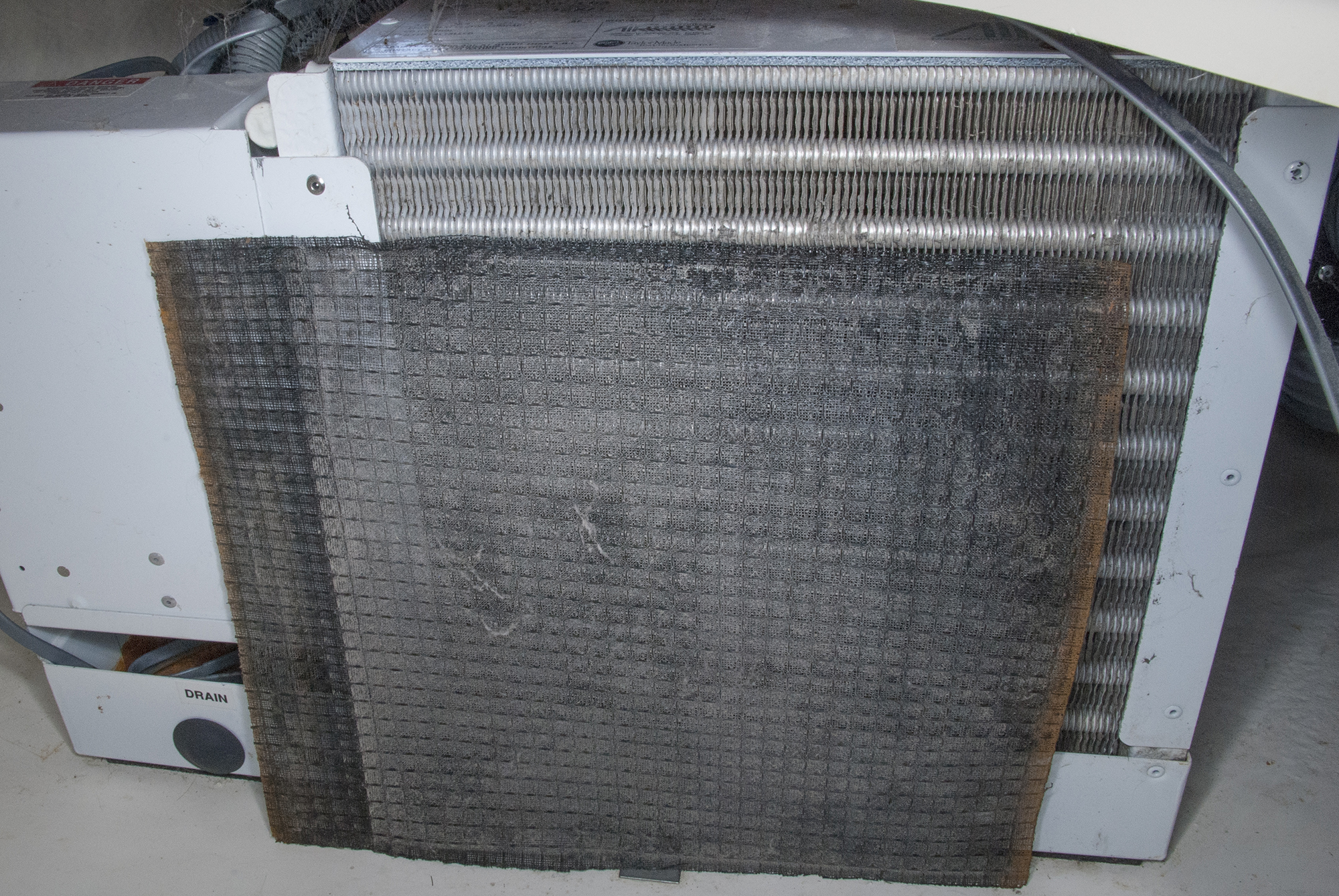
When air conditioning is working properly, humidity condenses on the cold evaporator coils and drains overboard. Air filters that keep those coils clean are mounted within the return-air grill, or onto the evaporator unit itself, or sometimes both.
“When the return air comes from down near the floor, filters get dirty faster. Clean those every month or so,” Isham says. With return air drawn from overhead, every two or three months might be fine. “If you have pets that shed aboard, clean those filters twice as often.”
Drip pans beneath evaporators often collect debris. “You might need to clean those pans out with a Shop-Vac, especially if you have pets,” Isham says. He also suggests readily available air-conditioning drip pan tablets when algae buildup is a problem.
Sometimes, too little airflow allows humidity collecting on evaporator coils to freeze, blocking air entirely. Shut that air conditioning off until it thaws, or run it on heat mode. If filters are clean, try vacuuming evaporator coils with a soft brush. Also check where return air flows through storage cabinets, which might be too full for adequate airflow. If icing persists, increase airflow by raising the fan speed temporarily, and eventually reset the minimum speed in the system’s settings.
Chilled Water Systems
Water chillers cool water near its freezing point within the engine room, and then circulate that water around the boat in one continuous loop. Inside the boat, cold water passes through cooling coils where a fan blows cold air into the cabin.
“The chilled water loop never gets as cold as a direct-expansion system, so you’re not pulling as much humidity out of the air,” Isham says. On boats with multiple chillers, always operate all at once to keep water cold, or you risk mold, mildew or odors inside the boat. “Outlet temperature should be in the mid-40s, and the return should be 6 to 10 degrees warmer,” Isham says. Also check pipes that carry chilled water throughout the boat for damaged insulation, which might cause condensation drips within boat interiors.
While chilled-water circulating pumps seldom fail, leaks or large temperature swings might drop water volume within the chilled-water loop. Know what that pressure should be and add water if needed. Expansion tanks with air bladders handle minor water-volume changes, but top off air pressure to somewhere near water-loop pressure.

Reverse-Cycle Heat
Most air-conditioning systems include reverse-cycle heat. This works well for occasional cold days in temperate climates, but has limitations.
“Normally, a/c systems pull heat out of the cabin and put it into the seawater,” Isham says. “Instead, we’re pulling heat out of the seawater. Once seawater temperature drops into the mid-40s, you’ll need either heat strips or immersion heaters built into your a/c system, or a different heat system altogether.”
Professional Preventive Maintenance
Technicians can detect most problems before failure, including scale buildup inside coils and worn compressors. Isham suggests professional service once a year or just before major trips, but ideally not with cool weather or chilly seawater that might mask developing problems.
Mechanical troubles are inevitable. Diligence prevents many of them, but when something unexpected foils a trip, fix a cool drink, come to terms with the situation, and be grateful the air conditioning works.
This article originally appeared in the July/August 2025 issue of Passagemaker magazine.