I remember the first time I strapped into a seat belt in my father’s Ford Country Squire. It was 1969, and I was about to have my first driving lesson in the station wagon. Recent federal legislation required manufacturers to install the belts in the front seats.
Until that moment, ours had been left tucked into the seam between the seat bottom and backrest. I fished out the strap and snapped in, wondering why I should wear this uncomfortable device.
Shortly afterward, we passed a car that had struck a telephone pole. There was a perfect, head-size hole in the windshield. From that day on, I buckled up.
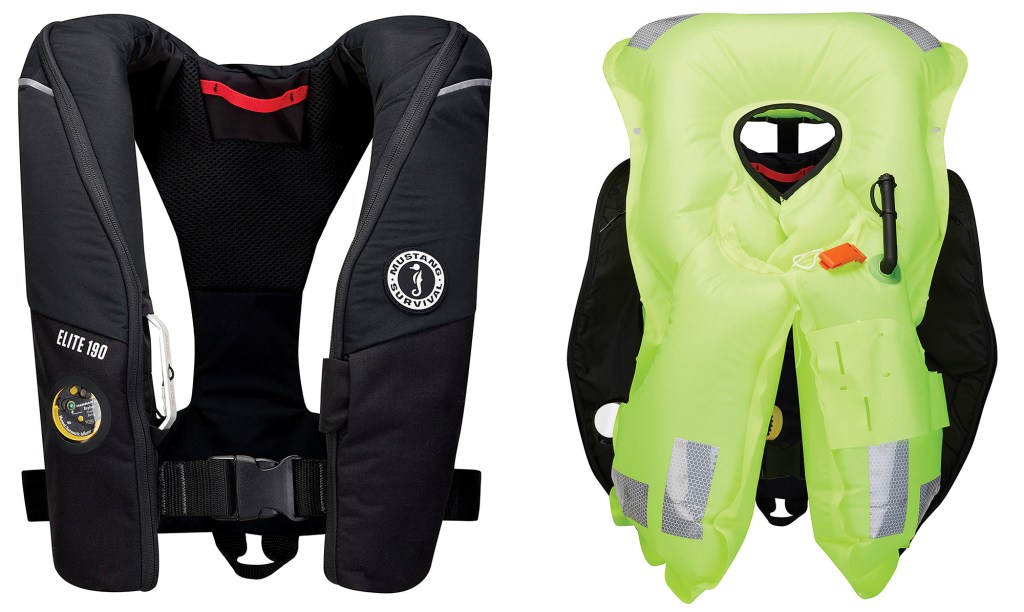
Personal flotation devices are a lot like seat belts. Most spend their lives shoved under seats or crammed into compartments. Terminology around what used to be called life jackets or life preservers evolved in the 1970s when the U.S. Coast Guard standardized classifications. Today, PFDs include inflatables, foam vests, hybrid designs, throwables and sport-specific models.
When I was 15, I was waterskiing in Biscayne Bay, Fla., behind a rented, outboard-powered boat. My 17-year-old brother, who was experienced and capable, was at the helm. For just a moment, he relinquished the wheel to a persistent friend who turned the boat sharply to “whip me around.” In that instant, my brother lost his footing and went overboard. The propeller struck his shoulder. One inch to the right and it would have been his neck.
None of us were wearing PFDs. To this day, I believe that had he been wearing one, the buoyancy may have kept him from going under the boat. We rushed to shore and shouted for help in the days before mobile phones. An ambulance arrived. After a long surgery, he survived.
When seconds matter, the only safety device that can save lives is the one you are already wearing. According to recent U.S. Coast Guard data, the overwhelming majority of drowning victims were not wearing PFDs. In some categories, more than 86 percent of those who drowned had no life jacket on. Open motorboats, one of the most common recreational vessels, show especially low wear rates among victims.
What statistics don’t show are the lives saved because someone was already wearing one. Most overboard situations never make it into reports, but insurance claims reveal how often accidents occur: docking mishaps, vessel collisions, submerged object strikes, sudden falls overboard. Add weather shifts, wakes, mechanical failure, intoxication or simple misjudgment, and risks multiply.
Even if captains refrain from drinking alcohol, guests may not. Alcohol dulls reflexes. Waves and wakes surprise people. Boats (even larger ones) roll, pitch and yaw. A stumble can become a life-threatening event in seconds.
My wife and I wear our PFDs every time we’re underway, whether in our 8-foot rowboat, a 13-foot RIB or our 48-foot trawler. We insist that our guests do the same. In an emergency, I cannot afford 30 seconds of fumbling for gear. My focus must be on maneuvering clear of danger, maintaining visual contact with someone in the water, and deploying lines or throwables. PFDs keep unconscious people afloat. Some are designed to turn a person face-up.
Over the years, while monitoring Channel 16 on the VHF radio, I’ve heard emergencies unfold in real time. In one case, a father kayaking with his 5-year-old son fell into the water. The boy, wearing a PFD, was later found blowing his whistle. The father, not wearing a PFD, drowned.
In another incident, a father fishing with his teenage son fell overboard from a 22-foot boat. He, too, was not wearing a PFD, and did not survive.
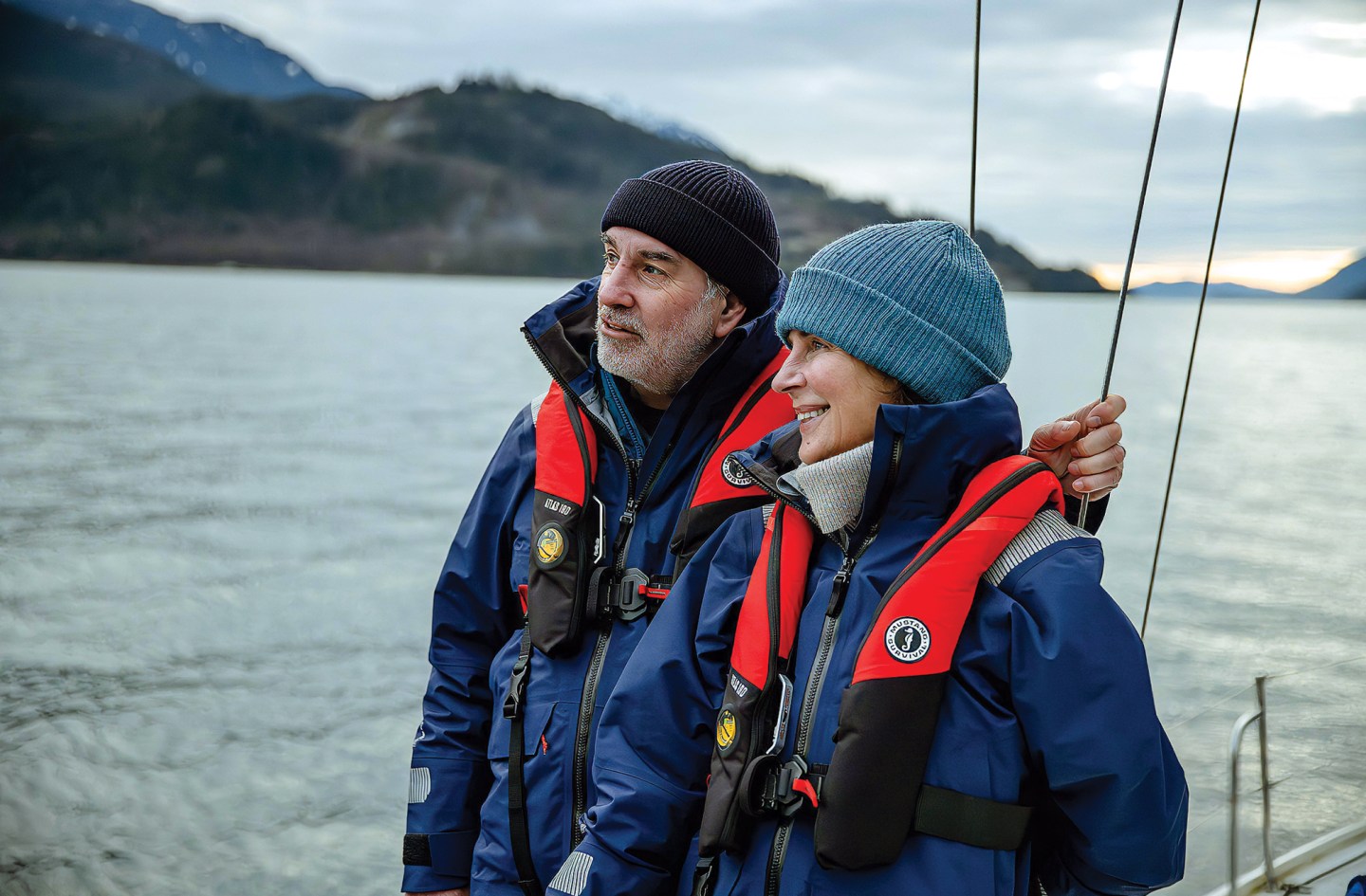
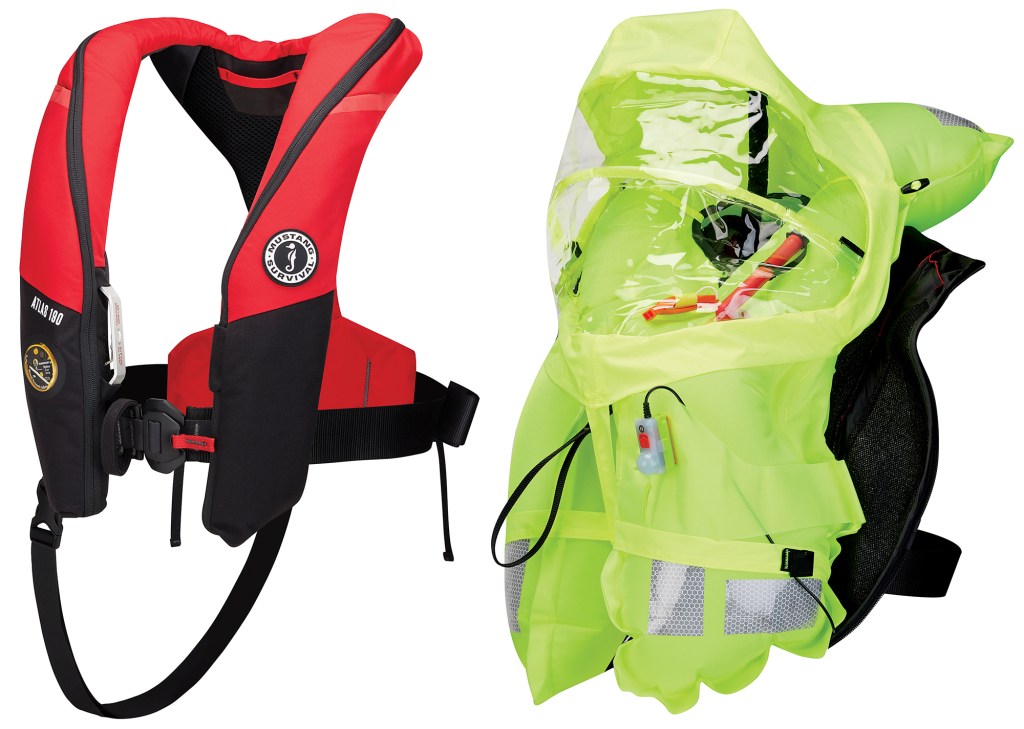
I have never heard anyone who lived through such a situation say, “I wish I wasn’t wearing a PFD.” Modern PFDs are lightweight, adjustable and comfortable. There are paddling vests, fishing vests, offshore inflatables and work vests, all designed to match the activity. Some have pockets for radios, knives, whistles, strobes and smartphones. Today’s PFDs are practical tools, not inconveniences. And they send a message to everyone aboard that you care about safety.
When the Coasties pass your boat and see everyone aboard wearing PFDs, it signals seriousness. Responsibility. Preparedness. When distress calls come over the radio, one of the first questions asked is how many people are aboard and whether they are wearing life jackets.
Boating accidents are never scripted. They are disorienting and immediate. The captain’s attention must be everywhere except on himself. Taking time to put on a PFD is not feasible. Wearing one says clearly: I care about my crew. I care about my guests. I take this responsibility seriously.
As with that seat belt I once resisted, I have not yet needed a PFD to save me. But I wear one every time. I implore you to do the same.
This article originally appeared in the May/June 2026 issue of Passagemaker magazine.