

Story + Photos by Angela O’Dowd
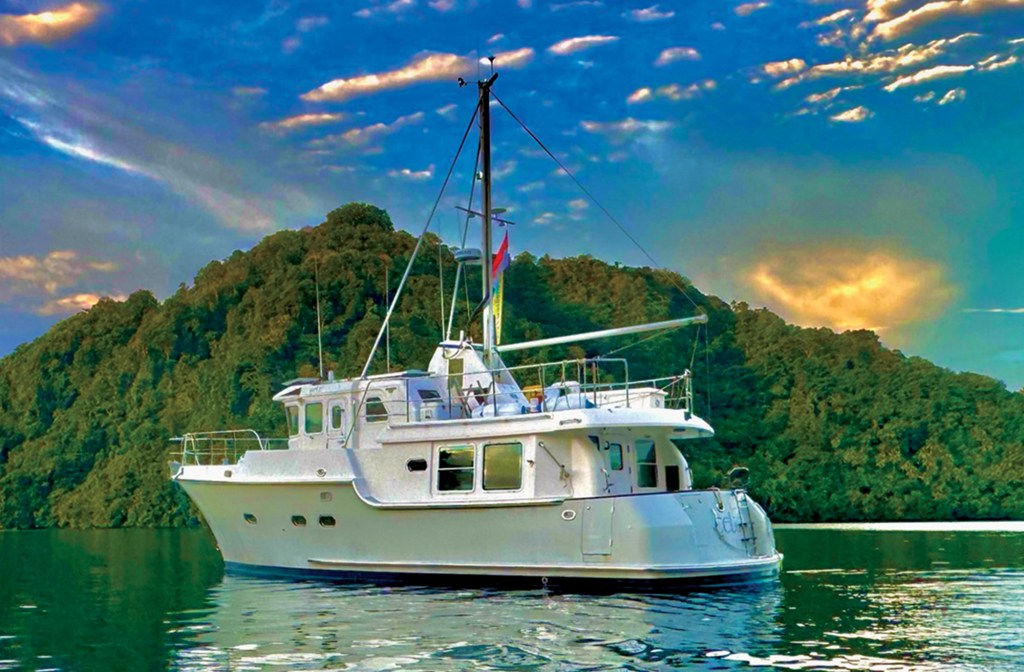
Our journey aboard Celt, our Nordhavn 43, started nearly three years ago when we cast off lines from Jacksonville, Fla., crossed the Gulf Stream to the Bahamas and kept on motoring. We then transited the Panama Canal, crossed the Pacific and hopscotched throughout Polynesia.
When we reached Bundaberg, Australia, Celt was hauled for some much-needed maintenance. My husband, Gerry, tinkered with various mechanical duties while her bottom got a fresh coat and all 13 zincs were replaced. Back on the brine, we headed north inside the Great Barrier Reef.
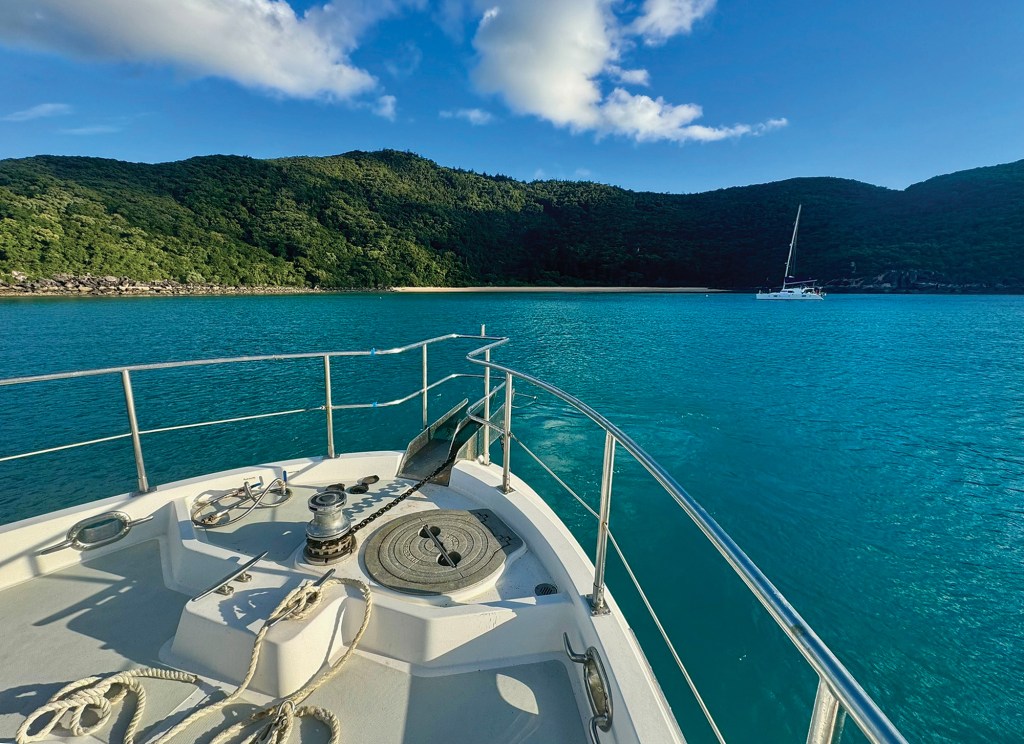
Following a quick stop at Lady Musgrave Island, we set course for Magnetic Island—named by Capt. James Cook, who believed it interfered with his compass. Affectionately known as “Maggie Island” by locals, it was among the most beautiful islands we had ever visited, made even better by its excellent facilities. About six restaurants sat right by the anchorage, and a $1 bus ran from Horseshoe Bay, where we were anchored, all the way to Picnic Bay, with scenic stops along the way.
We loved the massive exotic trees and the birds we hadn’t encountered before—kookaburras, galahs and bush stone curlews, all with their distinctive wailing calls as they begged for food near our dinner table. We took a much-needed hike to the top of a World War II-era fort and, along the way, spotted rock wallabies and koalas. We were also careful to stay alert for poisonous snakes and, when swimming, for box jellyfish.
Our next stop was the big city of Cairns, which marked a return to marina life. We took an unforgettable journey on the 100-year-old scenic railroad to Kuranda and returned via the skyrail, gliding above the rainforest canopy. We met new and old cruising friends who would be traveling on to Indonesia, stocked up on supplies and vaccinations, and enjoyed a few evenings at P.J. O’Brien’s Irish Pub. This would be our last marina and big city until Singapore.
Weaving our way through narrow shipping lanes, our next stop was Lizard Island. Conditions were good, but nighttime was intense in the tighter passages near the reef, with large tankers passing uncomfortably close. Lizard Island itself was spectacular, with white-sand beaches and crystal-clear water filled with reef sharks and colorful fish, plus large lizards roaming on land.
Lizard Island Resort has the only shore-based amenities here, and its Marlin Bar allows cruisers ashore on Tuesday and Friday nights. It was here that we met the crew of Shonandra and their little girl, who delighted us all with her dancing.
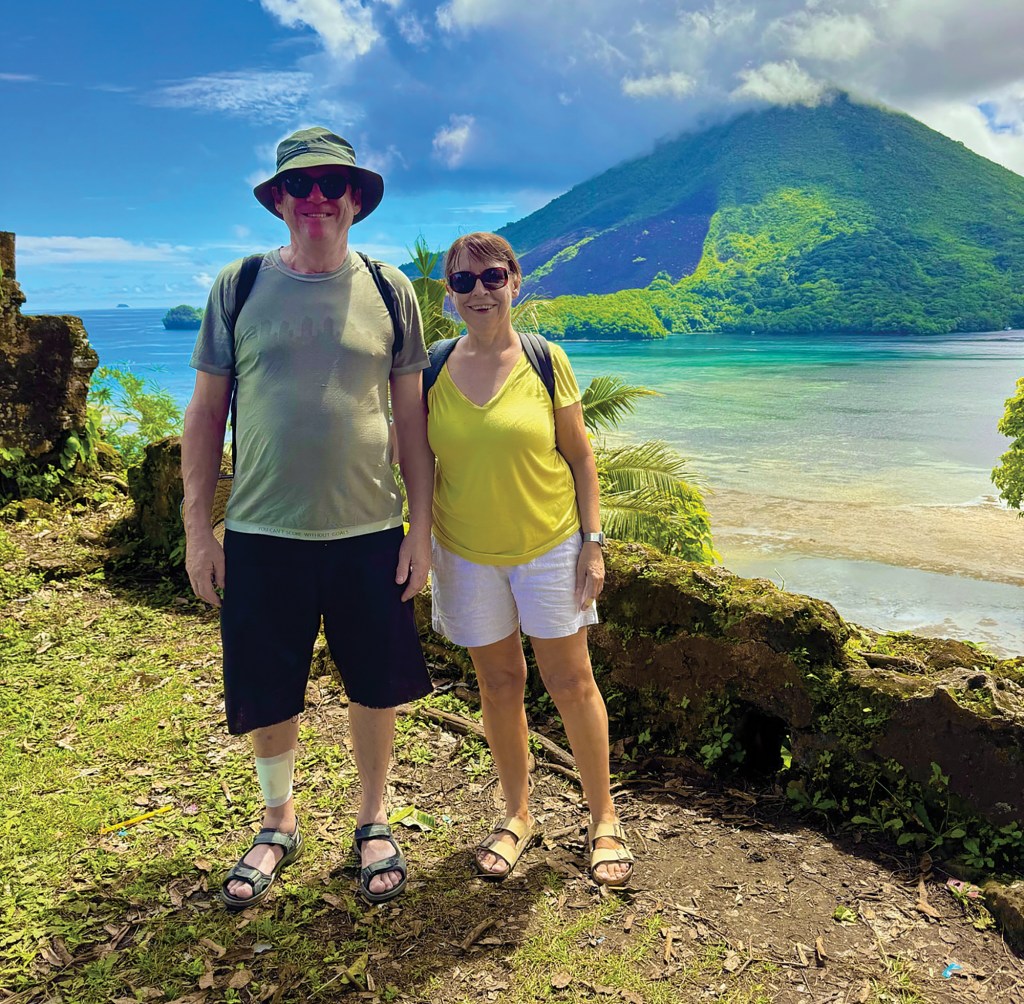
We nearly made it to the top of Cook’s Lookout, where Capt. Cook once plotted his future travels. The climb was steep and challenging, and after I slipped and cut my arm, we decided to turn back, but not before completing the hardest section and capturing some great photos.
From Lizard Island, we traveled for three days to the top of Australia, anchoring near Horn Island in the Torres Strait, where we would depart for Indonesia. This culturally fascinating region is home to Torres Strait Islanders and Aboriginal Australians, many living across the 38 inhabited islands, with Thursday Island serving as the main administrative and transport hub.
On Horn Island, we visited a privately established heritage museum, learning about local history and the island’s significant role during World War II, when more than 5,000 troops and airmen were stationed there. We waited out the weather with our new friends aboard Shonandra and enjoyed hosting them on Celt for dinners—and the shows their daughter loved to put on for us.
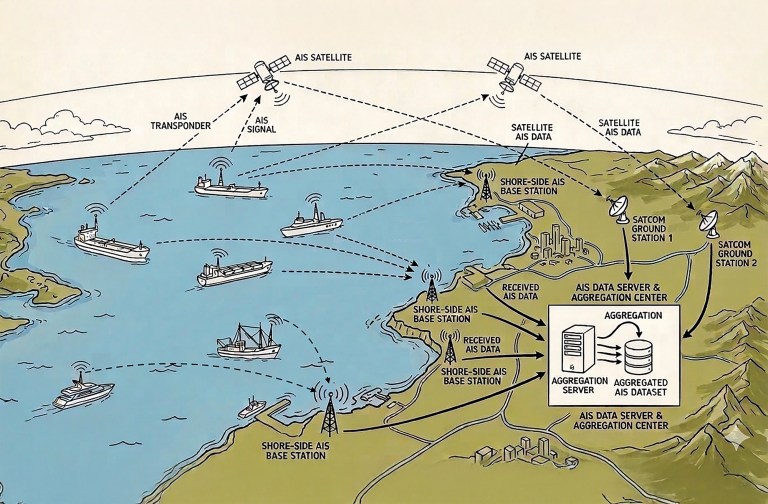
When we got a favorable weather window, it was time to leave. We cleared out from Thursday Island, crossed the shallow Torres Strait and faced confused seas and large waves in the Gulf of Carpentaria. Four days later, we were navigating challenges we’d just read about in cruising blogs: Indonesian fishing boats with no AIS and crudely constructed fish aggregating devices. Welcome to Indonesia.
Because of administrative issues in Tual, we weren’t allowed ashore. We remained on board at Ngiarwarat Beach for nine days. When we finally lowered the dinghy and went to the beach, we were startled to find a long sea krait in the back of our dinghy. An online search confirmed it was venomous, though our optimistic Aussie friends reassured us that the sea krait’s mouth is too small to bite people. We ushered him out and finally began exploring the Kai Islands.
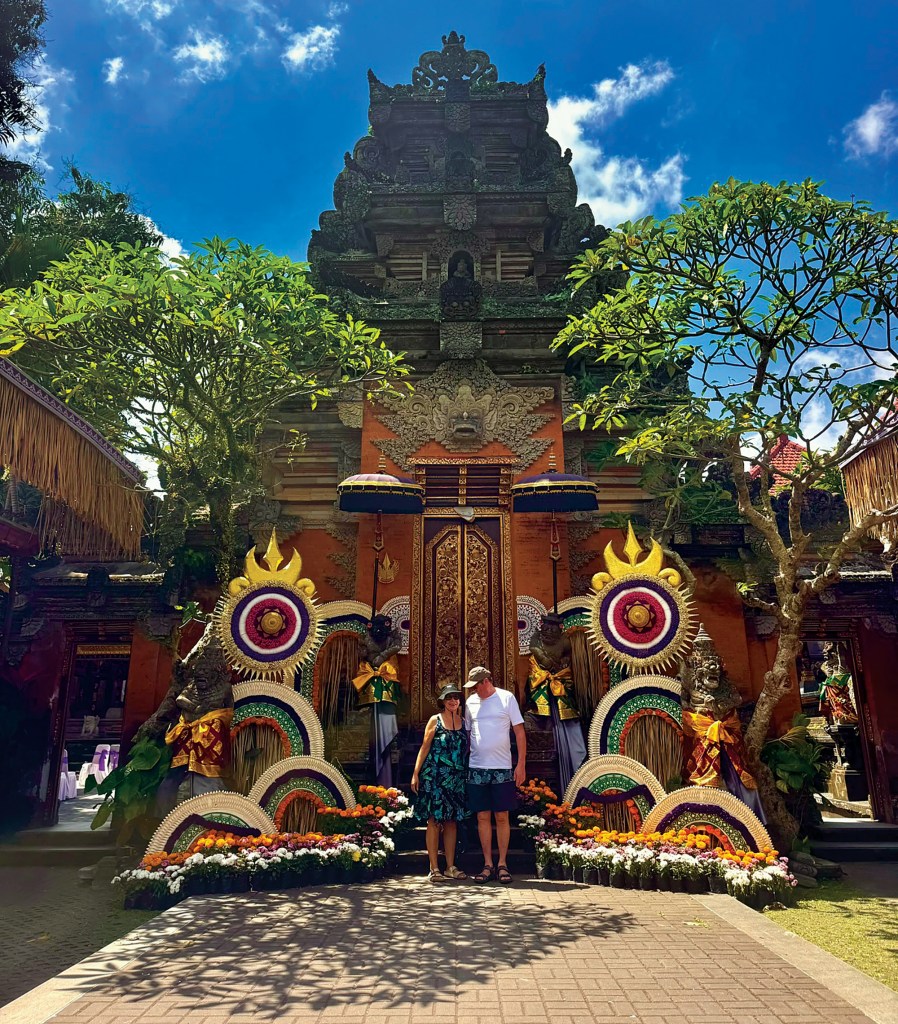
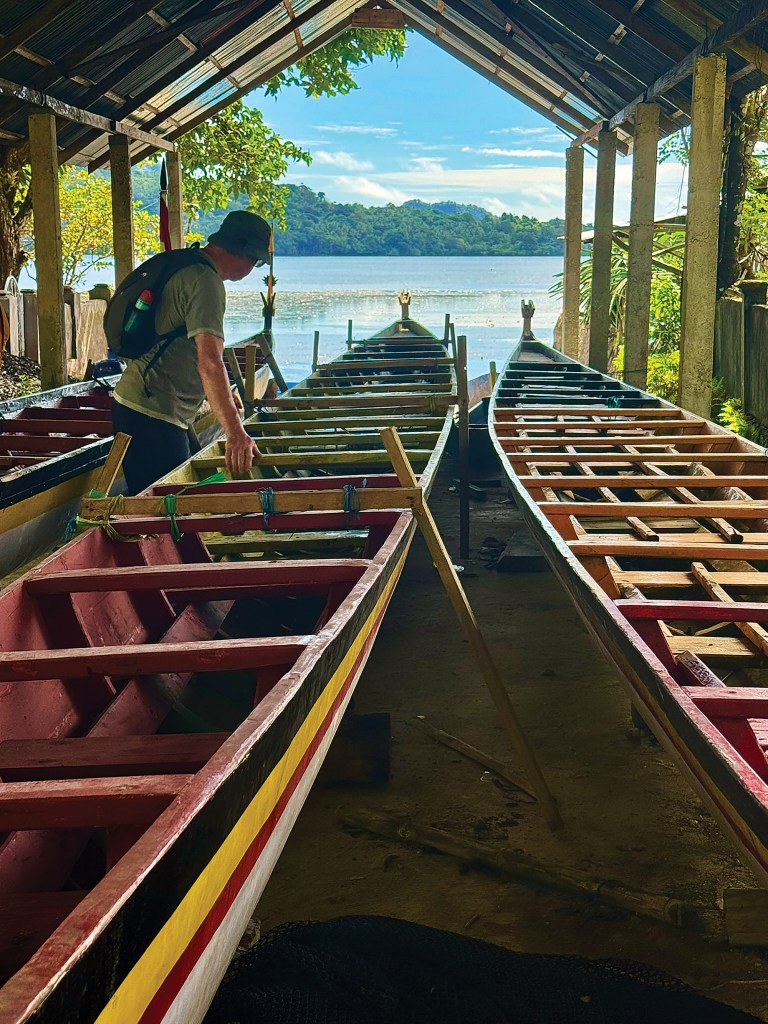
One highlight of our time in Indonesia was visiting the Banda Islands. These are the historic Spice Islands, once the world’s sole source of nutmeg and mace, worth more than their weight in gold. Of personal significance to us was Pulau Rhun, one of the islands the British and Dutch traded for Manhattan. Anchored in Banda Neira, we traveled by traditional wooden boat to nearby islands, learned how nutmeg grows alongside its protector, the almond tree, and watched sacks being loaded for export. We explored by motorcycle, visiting ruins of Dutch plantations and the well that supplies the island’s water.
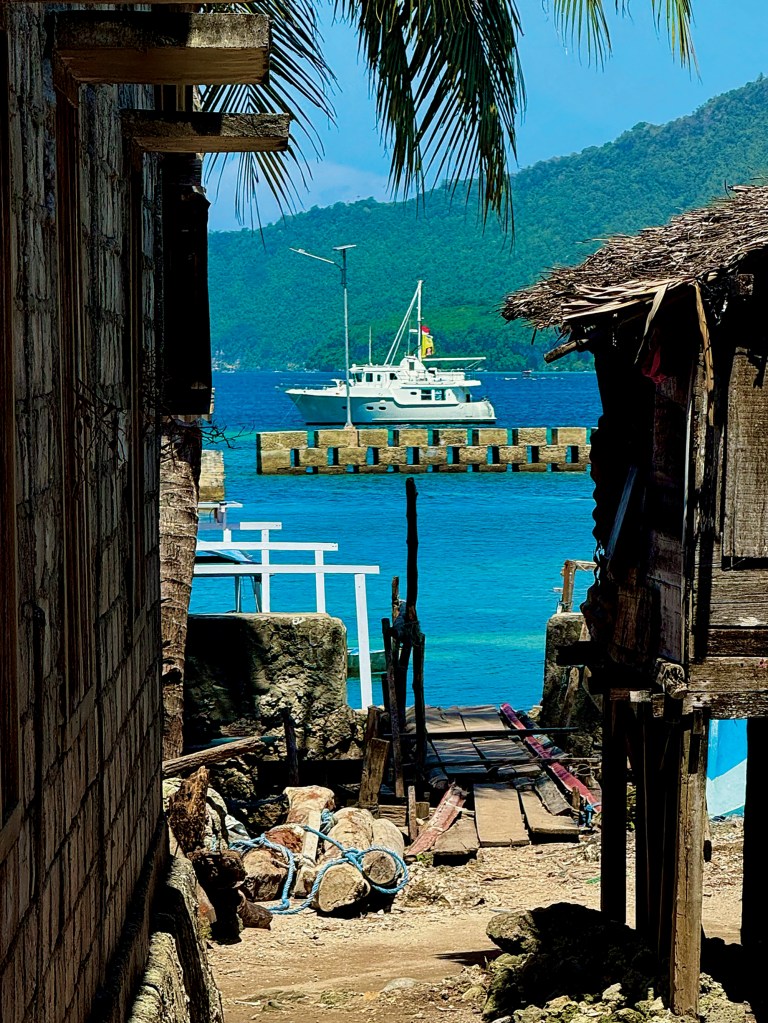
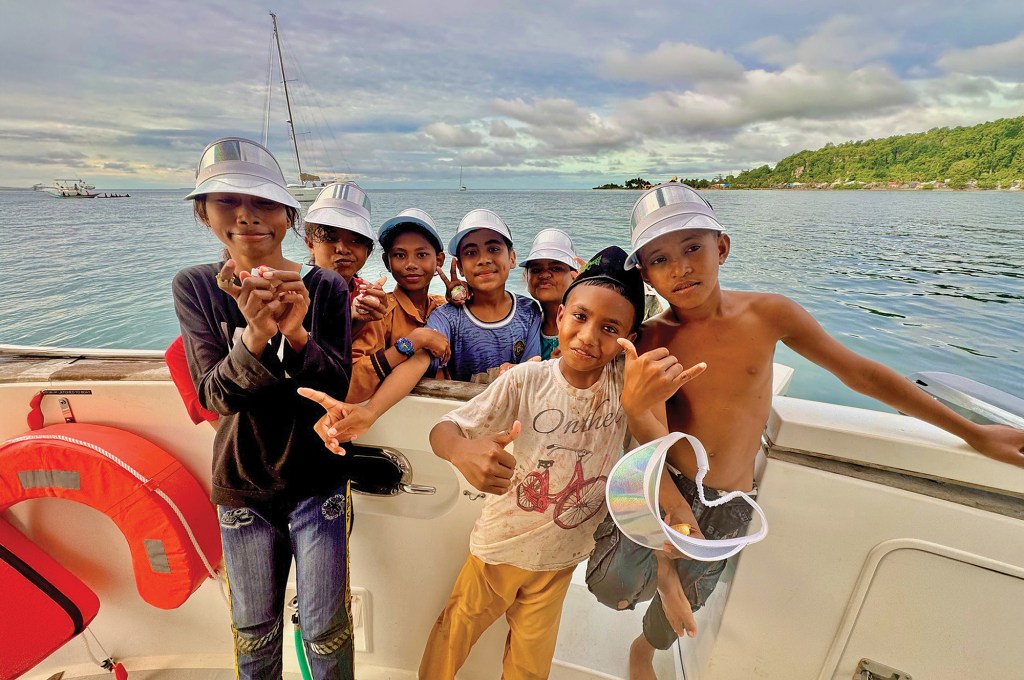
Another unforgettable stop was the small island of Tifu in Maluku. The entrance looked treacherous, but inside we found a heavenly, tiny circular harbor. We were the only boat there as children and adults paddled individual dugout canoes, hand-line fishing in total serenity. Ashore, children took us by the hand and proudly used the sidewalk chalk we brought to write their names and symbols along village paths.
Our Australian friends aboard Delta Lady, a Dufour 56 GL, soon joined us. The shopkeeper cooked us food and sold fresh eggs, and on our way back to the boats we were directed to a dock where a 12-foot crocodile lay sunning itself. Interestingly, no one seemed concerned; life simply went on.
The crews of Celt and Delta Lady traveled together for much of Indonesia, joking that with so little wind, the sailboat had essentially become a motorboat too. In Lande Bay, South Buton, we walked through the village like celebrities as children ran out of schools to greet us. There was no known anchorage, so we took our chances in deep water.
That evening, we dinghied to a stilted wooden platform over crystal-clear water where locals cooked fresh tuna with a salsa-like sauce and rice. Sitting cross-legged beside the village chief, lit only by a small torch and using phones to translate, we shared a truly unforgettable evening.
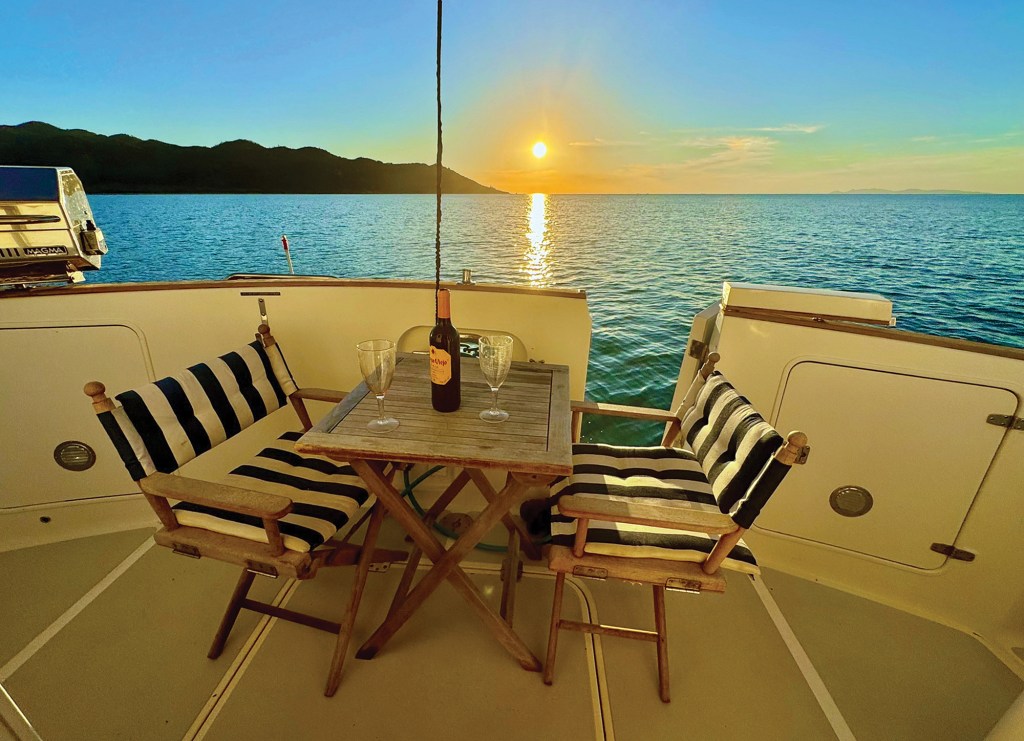
We then traveled roughly 200 miles south across the Banda Sea, making several stops on our way to Labuan Bajo. At one anchorage, we witnessed an extraordinary sight: tens of thousands of flying foxes (giant fruit bats) filling the sky at sunset.
Labuan Bajo was a shock after months in remote areas. Hundreds of traditional Indonesian boats crowded the harbor, catering to three-day cruises through Komodo National Park. We anchored away from the chaos and treated ourselves to a Wagyu burger and fries, the first real Western food we’d had in months.
The next day, we cruised to Komodo Island. The mountainous landscape was stunning, and we scanned the shore with binoculars, hoping to spot Komodo dragons. Unfortunately, we left disappointed and continued westward toward Lombok, stopping nightly along the coast.
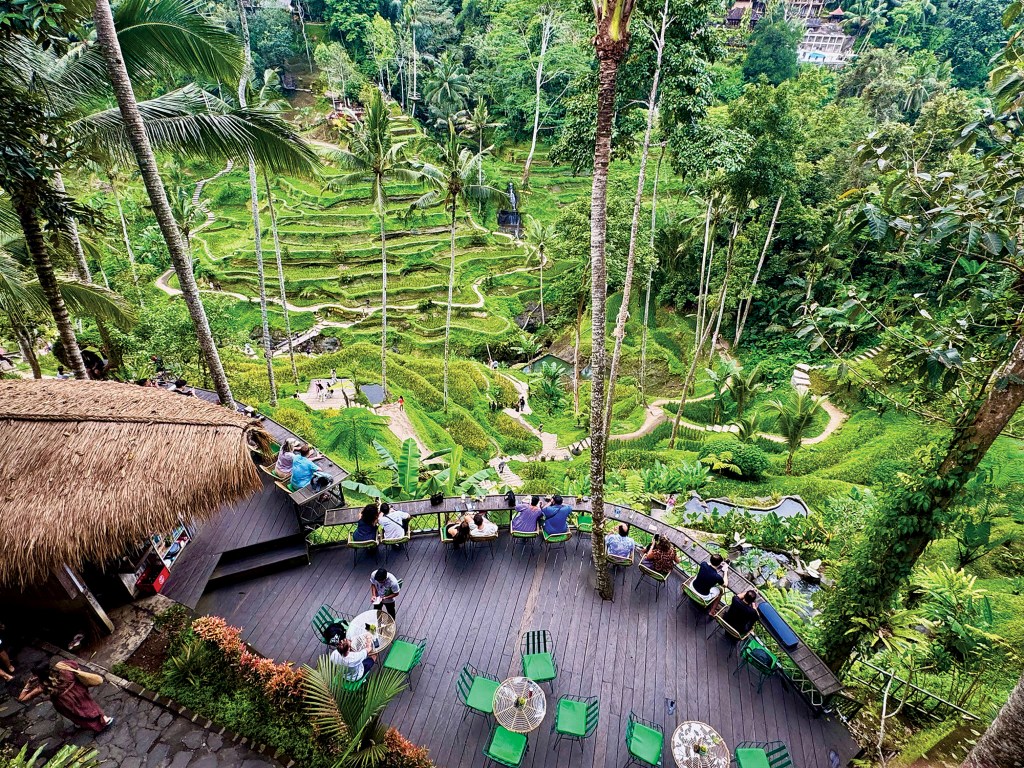
Arriving at Marina del Ray in August 2025 felt luxurious. One of only three marinas in Indonesia, it offered a chance to dock securely and take a break. We stayed a month, had some woodwork done and visited Bali by fast ferry.
When we left Lombok, we said goodbye to Delta Lady and began a seven-day, 1,000-mile passage to our final Indonesian stop, Batam. Entering the South China Sea was daunting. We followed the Indonesian side of the Malacca Strait, watching massive tankers pass from every corner of the world, until reaching Nirup Island.
Its brand-new marina and Westin resort offered stunning 360-degree views of Singapore, which beckoned. Soon, we would clear out and begin a new adventure in “The Lion City,” and then cruise beyond to yet more experiences that feel like once-in-a-lifetime joys.
This article originally appeared in the April 2026 issue of Passagemaker magazine.