Story + Photos by Mario Vittone
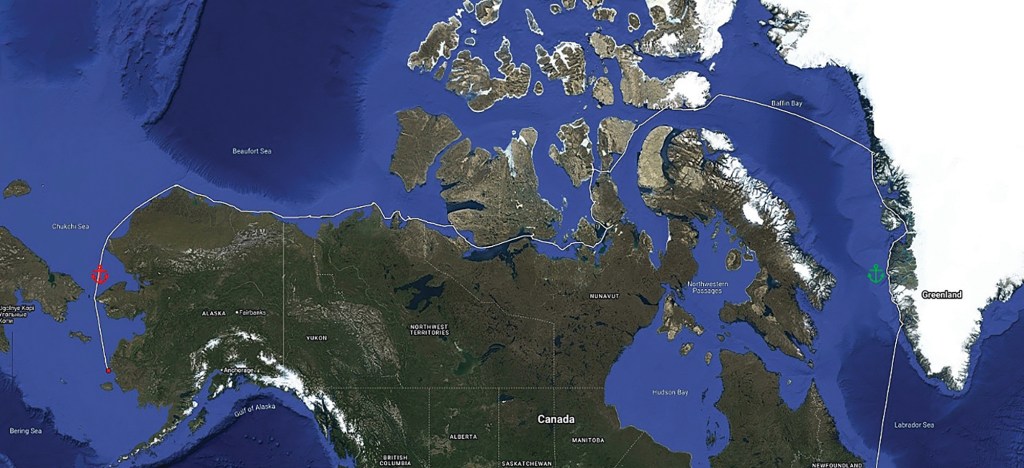
Roald Amundsen and his crew left Norway on June 16, 1903, hoping to be the first to transit the fabled Northwest Passage. By mid-September, the ice closed in around their ship, the Gjoa, in a cove on the southeast coast of King William Island. A Netsilik Inuit man taught them how to survive, build igloos and drive dogsleds. They ate what they hunted and made clothes from the hides. After two years, they finally left King William Island. It would be another year before they reached Nome, Alaska. To send word of their success to Oslo, Amundsen had to drive a dogsled over a thousand miles to the nearest telegraph station. His family had waited three years and four months to find out if he and the crew had survived.
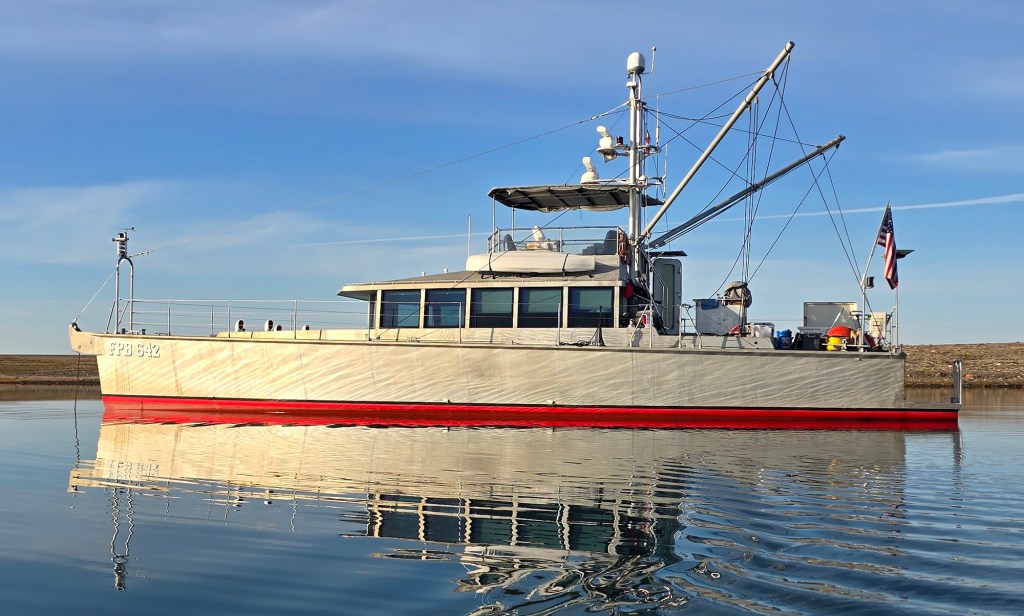
This past summer, I helped crew an FPB 64 along the same route. It took us two months. About midway through our journey from Portland, Maine, to Anacortes, Washington, we anchored where Amundsen had been iced in for two years. We sat in our heated cabin and streamed Netflix. We ate filet mignon. I did some laundry. The crew went topside for Scotch and cigars. I pulled out my phone, connected to the boat’s Starlink Wi-Fi, and called home.
This was not Amundsen’s Northwest Passage. This was a good time.
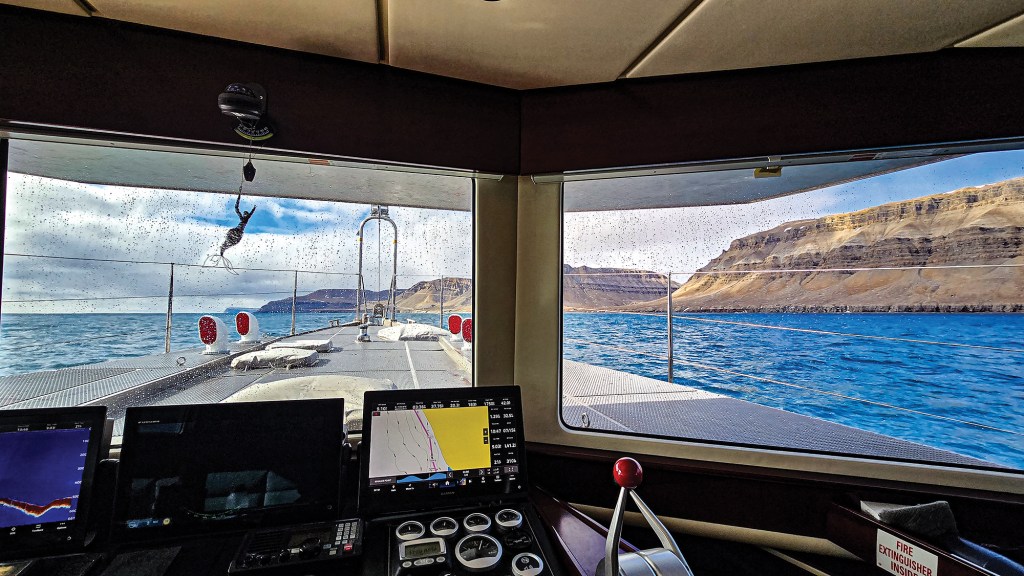
Obviously, the warming climate had a lot to do with the apparent ease of our passage and the past decade’s rapid rise in the number of private boats attempting (most often successfully) a voyage through the Arctic. And I’m not trying to oversimplify the complexities and risk of transiting the Arctic. They are still there, and we ran into a few.
But navigating the Northwest Passage safely isn’t much different than any other long voyage. You need the right boat for the conditions, the right crew for the boat, preparation for the expected, and plans for the unexpected.
The Right Boat
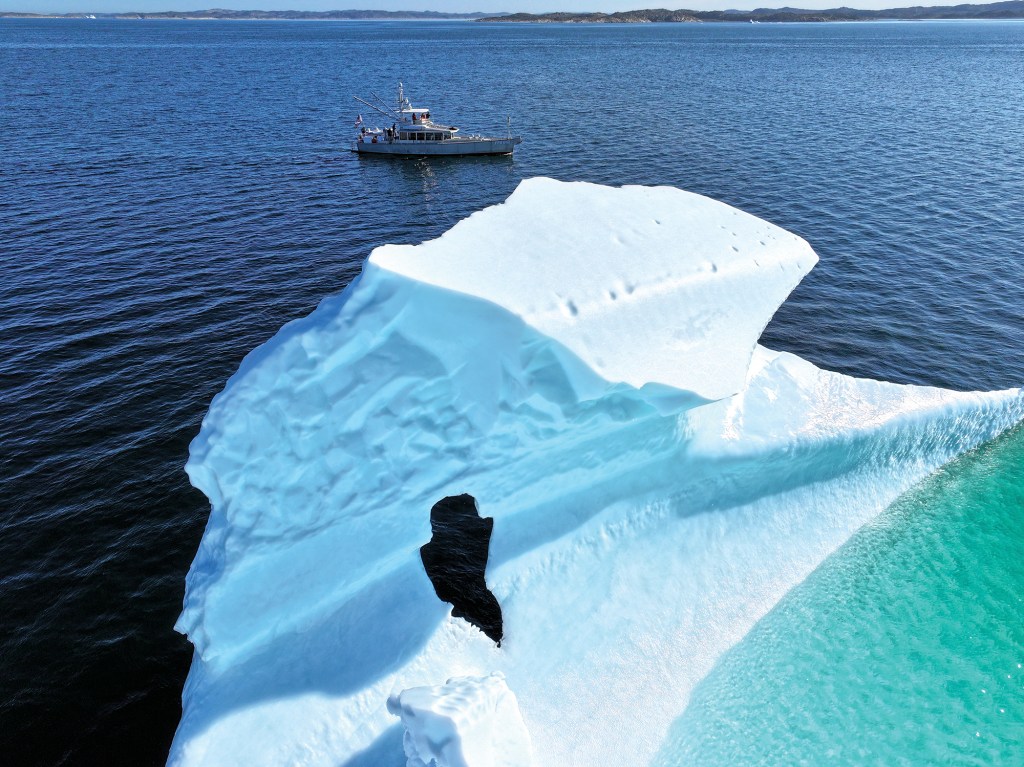
The Sarah-Sarah does not hold an ice classification, but the FPB series of boats are built like they were intended for that use. They are made to take a hit, with 13-mm aluminum hull plating, a significant stem and framing, compartmentalization and a keel that extends below the prop. The rudder and stabilizer fins are designed to sacrifice themselves partially before a strike would damage the hull. And an FPB is designed to self-right in a rollover without taking on water.
Now here’s the trigger warning: If you are unfamiliar with the FPB 64 and you own a bluewater vessel, this next part might lead to tears of disbelief and envy.
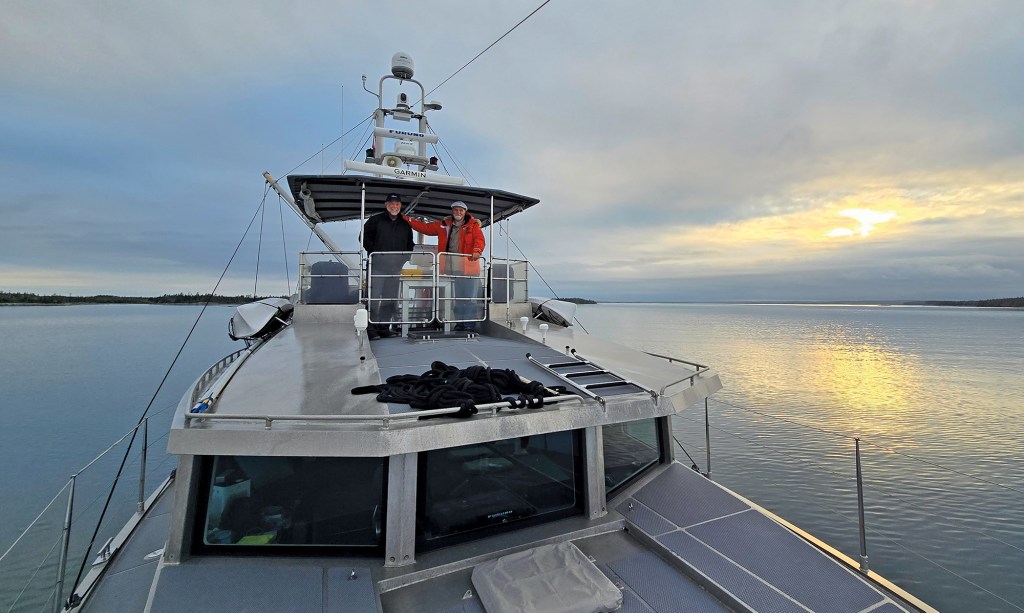
There are only 11 FPB 64s in the world, and they objectively outperform every other long-range trawler. Designed by Steve Dashew and built under his supervision at Circa Marine in New Zealand, Sarah-Sarah has a range of 7,500 miles at 10 knots. Even with her size, she sips fuel at 4.5 gph. Slow to 7 knots, and the burn rate drops to 1.7 gph, pushing her range past 14,000 miles.
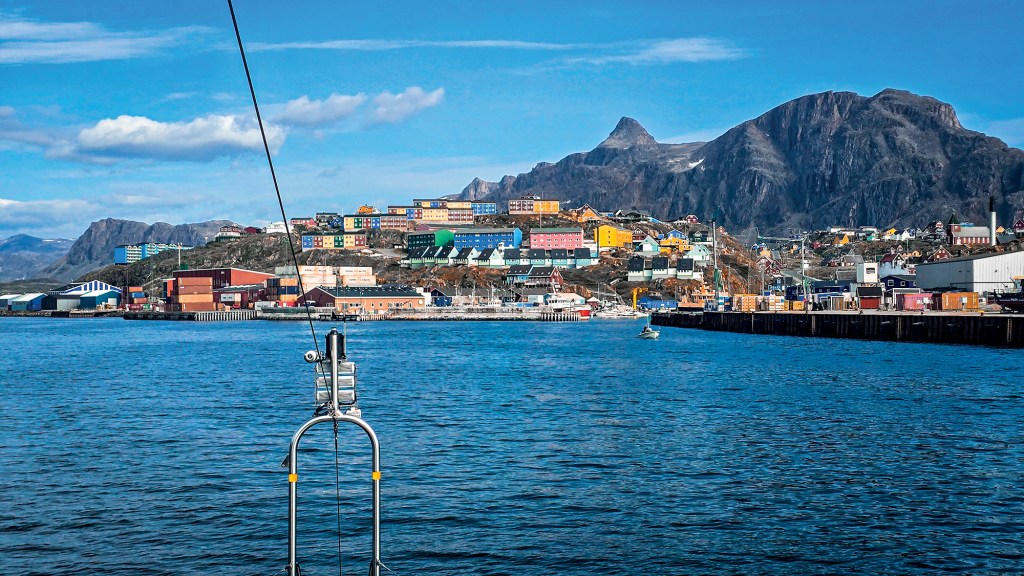
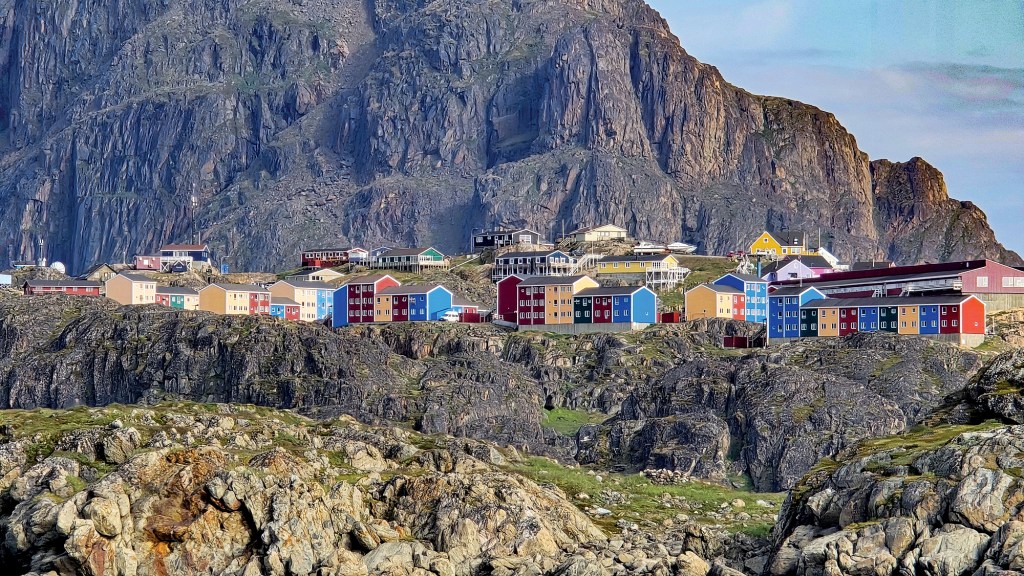
For us, those capabilities meant that when we topped off the 3,400-gallon tanks in Nuuk, Greenland, we had enough fuel to make it to Anacortes. I cannot tell you how nice it is to pull into a marina and tell the folks asking if you need to fill up at the fuel dock, “Not until next year.”
Shaped like a bullet at both ends and with a shallow draft, a dynamically stabilized FPB is a completely comfortable ride in seas that would keep many other bluewater designs at the dock. Twelves to 14s on the stern? No problem. You want to throw them at the beam on an eight-second period? OK, whatever. And punching into a head sea, while not something you are going to nap through, also will not push the boat anywhere near its limits.
As we left the Labrador Coast for Nuuk with a massive storm on our tail, we simply made turns for 10 knots and stayed in the flat, dead calm ahead of the storm, all the way across the Labrador Sea. When the weather router predicted 10s to 12s on our starboard quarter for three days as we ran south down the Bering Sea, we were thrilled.
For three days and nights, we slept like children between watches. And as we left False Pass to cross the notoriously rough Gulf of Alaska for Juneau, we passed the fishing fleet in the anchorage. They shook their heads at us like we were idiots.
Sarah-Sarah never rolled more than 3 degrees on the entire crossing. We cruised into Kodiak well ahead of the weather that kept everyone else out of the gulf. Still, when things get, well, nautical, you’re going to be miles from any hope of towing assistance or repair.
Your backups need to have backups. Sarah-Sarah is her own shoreside repair station, with completely independent steering systems, navigation systems, fuel delivery, radars and stowage for every imaginable spare part.
When we lost our engine control unit off Halifax, Nova Scotia, we had a spare. When the primary coolant pump failed 50 miles from Ketchikan, we had four spares. We lost an alternator. Of course, we had a spare. Two, I think.
The trip itself would require three engine oil changes. They took less than 30 minutes apiece. Which leads to another must for a trip through the Arctic: the right crew.
The Right Crew
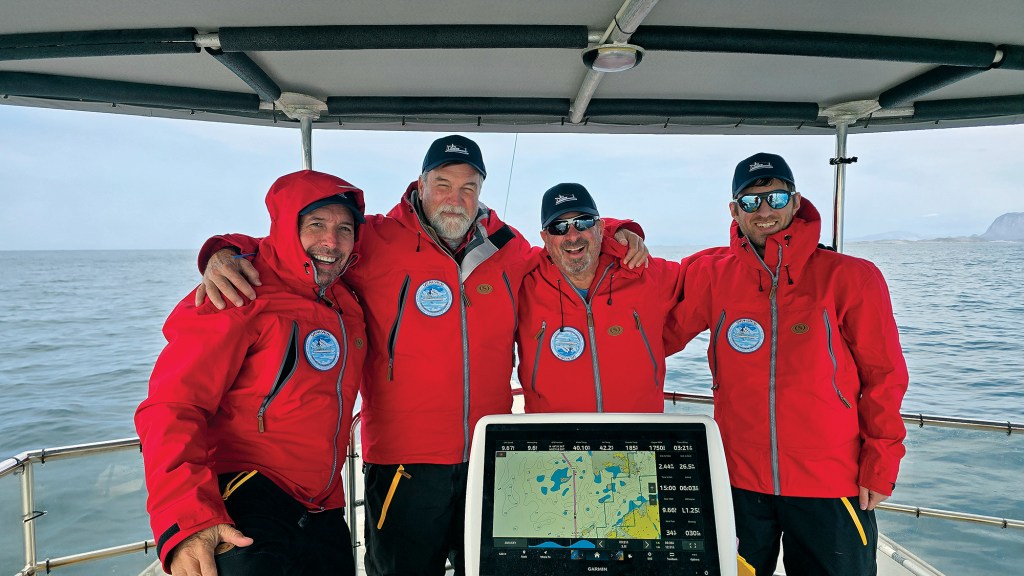
I’ve made much of my living responding to and investigating the mishaps of captains who were not prepared for the situations they faced. By contrast, Scott Evangelista, Sarah-Sarah’s owner, is the most prepared and competent mariner I have ever met.
Besides the lifetime of miles he has under his keel, his level of preparedness and his mechanical knowledge and competence with his boat made us fast friends. If something attaches to the engine and is not the shaft, he has at least one spare. Same for the generator, and watermaker, and heating and cooling systems … and, and, and. On the rare occasions when he lacked expertise or knowledge to repair a system himself, he had a shoreside expert in his pocket to talk him through any problem or repair.
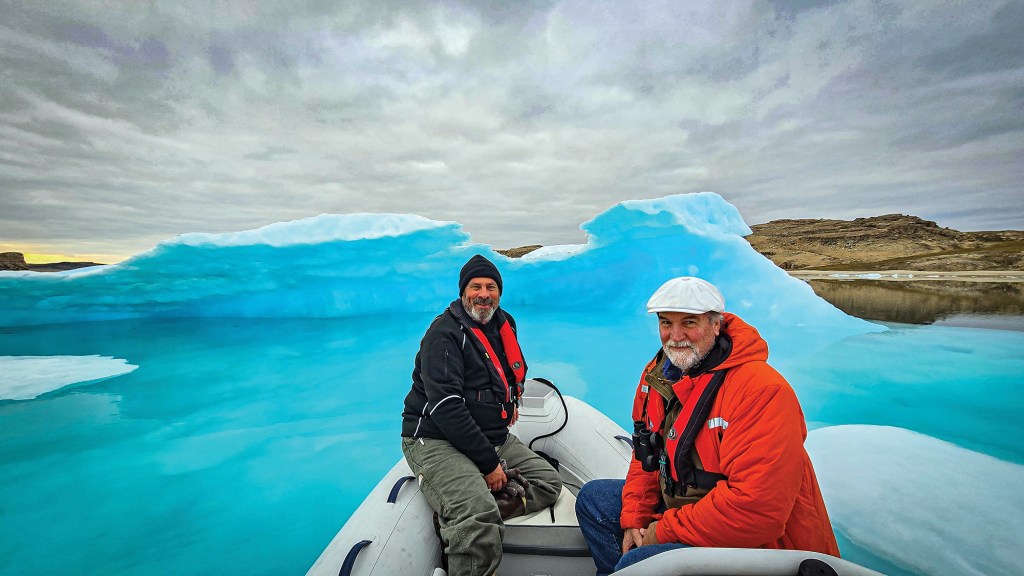
Also aboard was Sam Devlin of Devlin Designing Boat Builders, an expert on marine diesels and vessel propulsion with decades of experience. Sam is also wildly funny. He had five stories for every occasion.
Scott’s best friend since college, Jon Herman, had thousands of hours aboard Sarah-Sarah. His knowledge of the boat was an obvious plus.
Finally, Scott’s son, Bill, came aboard in Nuuk to help stand watch through the Arctic.
My job was safety and communications: to assist Scott in developing the standard operating procedures for safety on the trip, for acquiring and maintaining the safety and survival equipment, and to make sure we complied with the regulations of Greenland and Canada as we transited those waters.
And I was responsible for breakfast. Being willing to cook went a long way in making up for my lack of useful sea time.
Prepare for the Expected
The Northwest Passage is remote, but no more so than a Pacific crossing to Hawaii. Both will put you 1,000 miles from the nearest rescue asset and well out of VHF radio range from the nearest vessel.
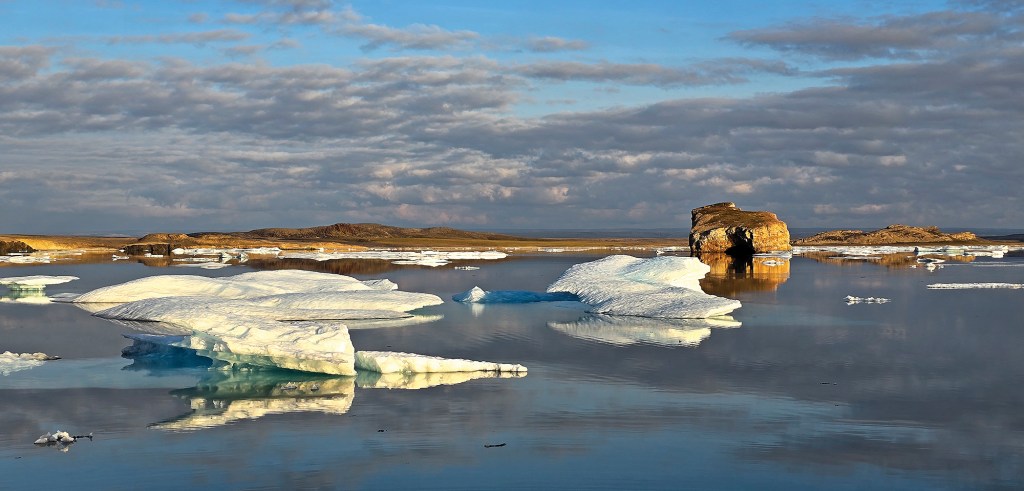
The difference is all about the ice. The Arctic may be warming and the ice may be breaking up sooner in the year, but the ice is still there, and it will present challenges.
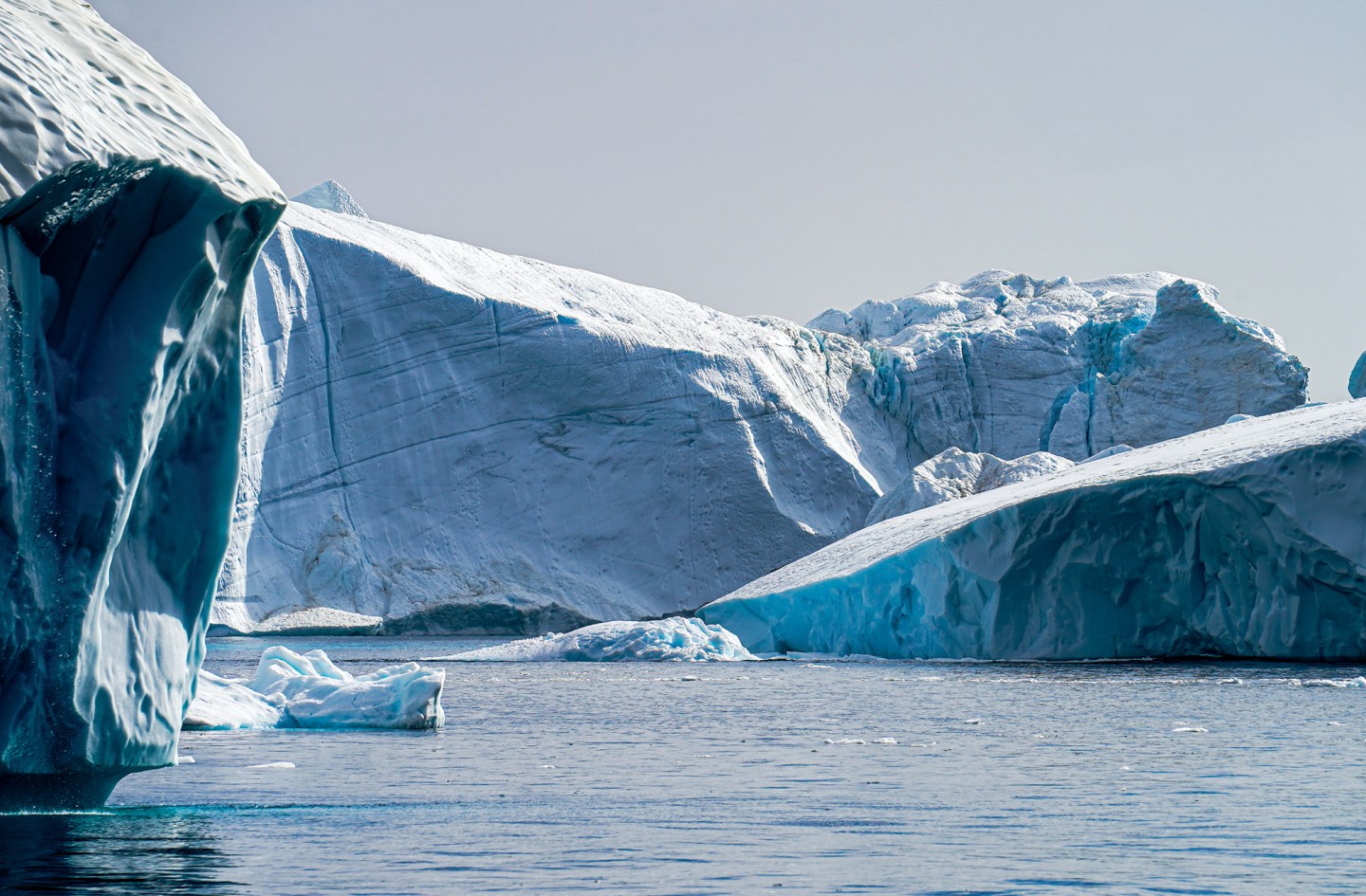
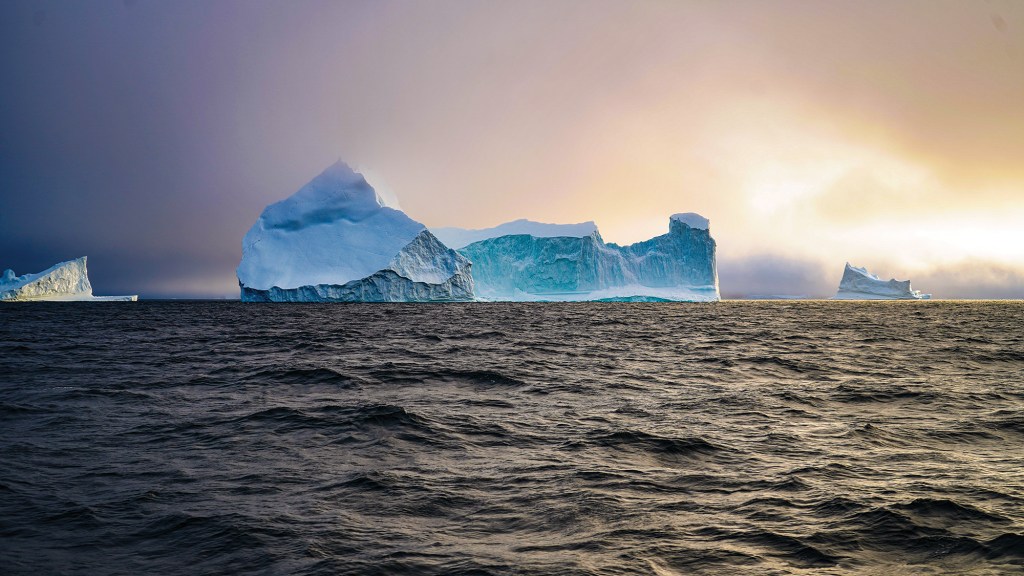
Icebergs are not the worry. They are easy to spot and avoid, though we did find out more than once that some of them are angled in such a way as to be completely invisible to radar until they are 100 yards away.
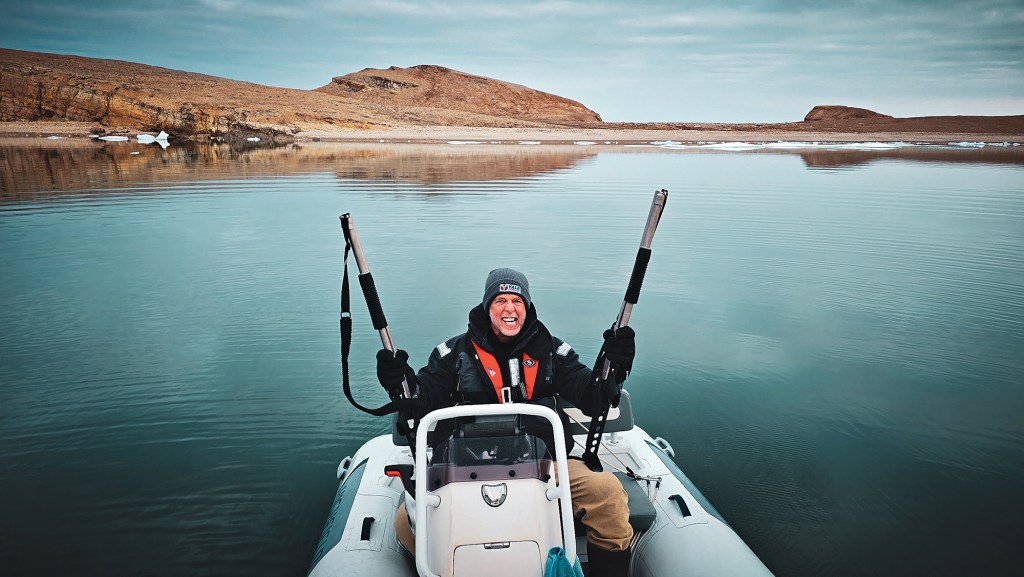
Sea ice, which spreads out in every direction for miles, is another thing entirely. If you wait until it is gone completely, you might have to overwinter like Amundsen did.
To be successful, boaters must manage the sea ice, not completely avoid it. The trouble is, to manage any risk, you need information. You want certainty. What you get, however, despite the daily Canadian ice charts and satellite images, is delayed information about what was and might be true now, but probably isn’t.
Then you must overlay current weather predictions that may or may not be true, and then you push out into the sea and hope everyone involved—the ice guys, the meteorologists and your gut—was right. It’s part science, part hope as a navigation strategy.
We did take two significant hits and made one nearly trip-stopping error as we crossed through fields of sea ice in what is now named Amundsen Gulf. We decided we knew better than the Canadian Ice Service and drove straight into a field of 50 percent-coverage ice that we guessed wasn’t really there.
It was. We spent six hours locked in an ever-changing maze of ice, then finally resorted to gently, well, ramming our way through. We broke a meter-thick chunk to escape to open water. Then we hid in a bay on Pierce Point and licked our wounds.
Two days later, we hit a chunk of submerged ice the size of a refrigerator. Shortly after, with just enough arrogance to announce I would not miss seeing ice like that, I slammed into an ice bridge connecting two floes.
I was certain I had ripped off the starboard stabilizer. Thankfully, it just sounded like I had ripped off the stabilizer. However, we did leave our bright-red bottom paint on numerous chunks of ice all over Amundsen Gulf.
Plan for the Unexpected
If you had to pick a place in the northern hemisphere that would be the worst to experience an engine failure, Prince Regent Inlet between Somerset Island and the Brodeur Peninsula would make the short list. Brodeur and Somerset, completely uninhabited, sit to the south of Devon Island, the largest uninhabited island in the world. It truly is the middle of nowhere. That’s where, just 7 miles from our intended anchorage and a mile off the sheer cliff walls of Somerset, our John Deere 6068 died.
There were a couple of alarms, and then the engine made a very unhappy noise. About 30 seconds later, we were dead in the water.
Scott yelled, “Rig the dinghy!” For a second, I thought I was wrong about him being the right captain for the job as I helped sling the 40-hp setup over the side. When Scott drove the dinghy around to the starboard rail and lashed it in a side tow to the 85,000-pound vessel, I really thought I had picked the wrong guy.
Three minutes later, I was at the helm as we made an easy 5 knots. We were fine. Scott put his hand on my shoulder and said with a laugh, “We maintain 9.5 knots using just 75 horsepower from our main engine. It stands to reason that 40 horsepower can get us underway, right?”
Scott’s planning job had been vessel operations. He knew his boat, and he had a plan for everything that might go wrong.
Two hours later, we were at anchor in a perfect little bay. We replaced the low-pressure fuel pump the next day. Scott had two spares, of course.
That was the trip: Execute the plan, handle the problems, rinse and repeat until you arrive. We tied Sarah-Sarah up to her home dock in Anacortes 75 days after leaving Portland. We had experienced some excitement and some truly stunning views and wildlife. It was a real adventure.
But despite the achievement, I cannot get over how easy it all was. We were prepared for everything from pack ice to polar bears. This experience was one considered decision after another, not unlike any other day on the water anywhere in the word.
In retrospect, I’m reserving the word epic for Amundsen and his crew.
This article originally appeared in the April 2026 issue of Passagemaker magazine.